


Trump Defends Conflict While Pausing Escalation
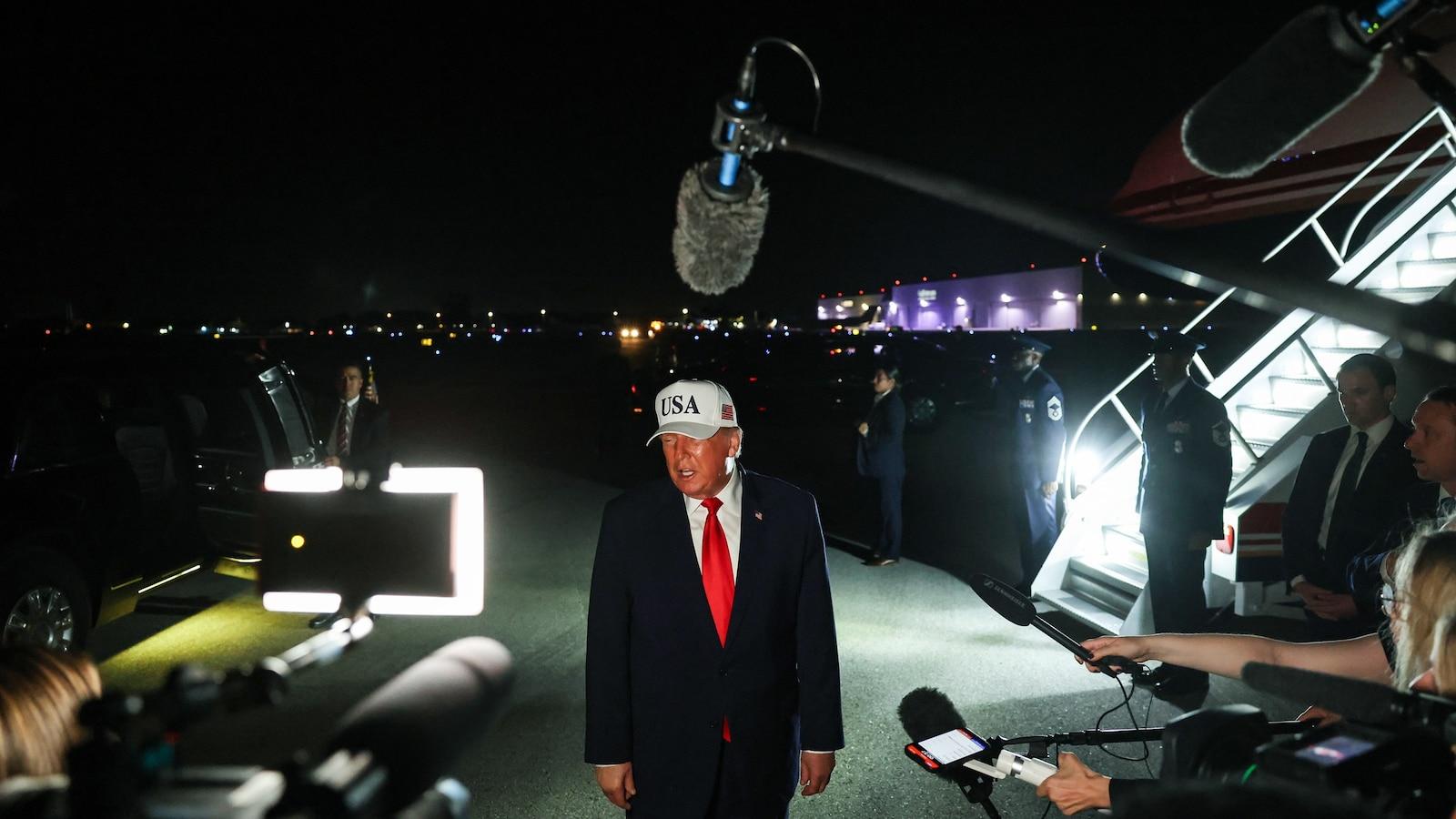
On November 9, 2026, President Donald Trump stated in an interview that aired Sunday on CBS News that he currently sees “no reason” to escalate the ongoing military conflict with Iran. While defending the initial decision to launch the conflict as historically sound despite its severe economic fallout, the administration’s current signaling emphasizes a pause in further escalation. President Trump’s remarks coincided with diplomatic engagements in Washington, where he met Monday with the prime minister of Qatar, a nation serving as a key mediator in indirect talks between the United States and Iran aimed at securing a political settlement.
Despite the White House’s stated outlook, Secretary of State Marco Rubio tempered expectations late Sunday by asserting that a diplomatic breakthrough remains elusive. Rubio noted that negotiations are not on the verge of a breakthrough because Iranian demands remain “unacceptable” to Washington. Regional partners have similarly expressed a pessimistic view of the diplomatic track. Dr. Anwar Gargash, diplomatic adviser to the UAE president, warned Monday at the Abu Dhabi Strategic Debate that a complete resolution of the conflict is unlikely for a prolonged period. Gargash cited Iran’s severe economic pressures, leadership challenges, and deep-seated nuclear disputes with the international community as structural barriers to a comprehensive settlement, warning that the region must prepare for an extended phase of uncertainty.
Regional Infrastructure and Shipping Under Fire
The diplomatic stalemate is unfolding against a backdrop of ongoing kinetic and infrastructural disruptions across the Middle East. On Monday, CBS News reported that a merchant vessel was ablaze in the Strait of Hormuz after being struck in an attack. The United Kingdom Maritime Trade Operations (UKMTO) stated that military authorities reported the vessel on fire 8 nautical miles north of Khasab, Oman, forcing the crew to evacuate. Concurrently, Iran’s state broadcaster IRIB reported that four additional tankers had been halted and brought to a standstill in the waterway over a 24-hour period. Both Washington and Tehran have repeatedly targeted commercial shipping in and around the strait, enforcing rival restrictions on transit corridors.
Infrastructure within major regional energy producers has also faced renewed targeting. Saudi Arabia’s Ministry of Energy announced Monday that a “limited fire” had broken out on a section of the strategic East-West Crude Oil Pipeline in the Medina region. The ministry confirmed that the incident caused no casualties and resulted in no disruption to overall operations. While a September attack on the same pipeline was attributed by Riyadh to Iranian-backed militias in Iraq, Saudi authorities did not immediately name a suspect for Monday’s incident. The East-West pipeline remains a vital artery for Saudi oil exports, circumventing Persian Gulf shipping vulnerabilities.
Cyberattacks and Wider Regional Spillover
Beyond physical infrastructure, the conflict has manifested in sophisticated cyber operations across Europe. The Paris Prosecutor’s office announced Monday that French authorities have attributed nationwide cyberattacks on commercial refrigeration systems in October to a cyber unit within Iran’s Islamic Revolutionary Guard Corps. According to the prosecutor’s office, the coordinated hacks struck 700 retail supermarket locations across France, causing significant food spoilage and triggering roughly twenty fires as internal refrigeration temperatures spiked. Similar cyber-induced refrigeration outages were subsequently reported at supermarkets in Belgium, Luxembourg, and Sweden, while U.S. authorities continue investigating parallel incidents at domestic military installations.
Meanwhile, diplomatic friction extended to regional alignments as Syria’s foreign minister, Asaad al-Shaibani, rejected reports that Syrian troops had deployed or were planning to deploy to Yemen to support the Saudi-led coalition against Houthi forces. Speaking at a Monday news conference, al-Shaibani formally denied assertions made days prior by Yemeni officials and reported by international news agencies regarding a military deployment agreement. As indirect talks continue alongside persistent maritime security incidents, regional and international stakeholders face mounting challenges in preventing further destabilization.