


A Career Defined by Production
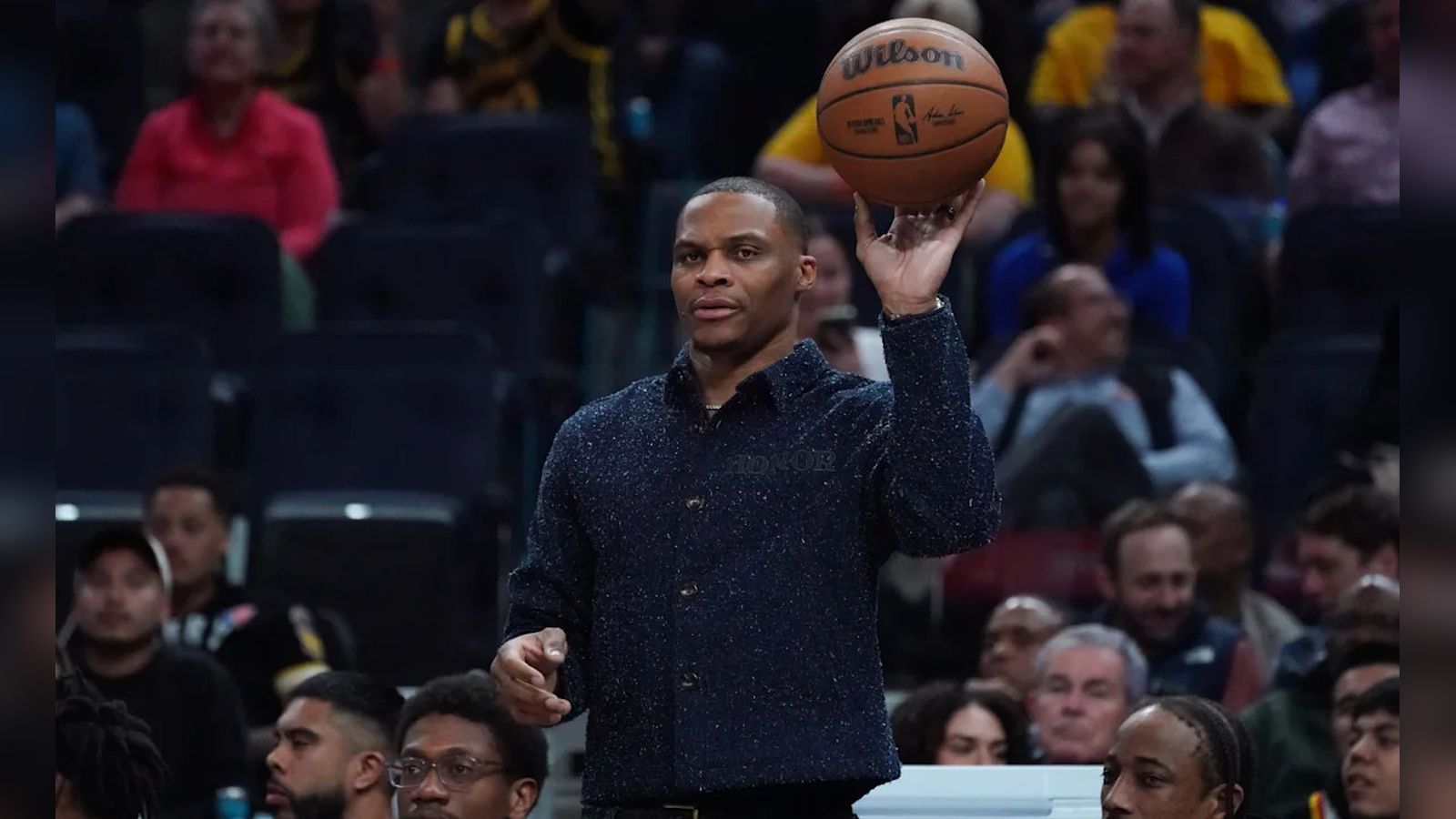
Russell Westbrook, one of the most decorated players in NBA history, has officially concluded his 18-season professional career. The 37-year-old former MVP announced his retirement on August 12, 2026, ending a run that saw him redefine the point guard position. Westbrook exits the league as the all-time leader in triple-doubles (209) and ranks fifth in career assists, solidifying his legacy as a first-ballot Hall of Famer.
Despite his stature, Westbrook’s final chapter was not determined by a lack of interest from teams, but by his own refusal to accept roles that did not align with his expectations. Reporting from NBA insider Marc Stein confirms that Westbrook held concrete contract offers to continue his career, specifically from the Washington Wizards, but chose to walk away rather than accept terms he found unsuitable.
The Breakdown of Final Negotiations
The Washington Wizards, the franchise Westbrook represented during the 2020-21 season, reportedly presented a two-year contract offer to bring the veteran back to the nation’s capital. According to league sources, Westbrook was the party that initiated the end of these discussions. The veteran guard reportedly balked at the specific terms of the offer, which likely included a diminished role behind starting point guard Trae Young and a crowded backcourt that features emerging talents like Kyshawn George, Bub Carrington, and Tre Johnson.
A similar dynamic played out with the Sacramento Kings, where Westbrook finished the 2025-26 season. While the Kings discussed a reunion, the organization’s strategic pivot toward prioritizing rookie development meant that Westbrook’s role would have shifted significantly. Reports from The Athletic indicate that the Kings envisioned Westbrook in a mentorship-heavy capacity, a departure from the 15.2 points and 6.7 assists he averaged over 64 games last season.
Stakes and Strategic Shifts
Westbrook’s decision to retire rather than accept these reduced responsibilities highlights a common tension for aging NBA stars: the transition from primary contributor to secondary mentor. While Westbrook believed he could still perform at a high level, the teams interested in his services were focused on long-term rebuilding and the integration of younger prospects.
For the Wizards and Kings, Westbrook’s retirement creates an immediate vacancy for veteran leadership, forcing both organizations to scan the market for alternatives. Potential targets identified in recent reporting include Victor Oladipo, Ben Simmons, and Brandon Williams—players who may be more amenable to the specific roster roles that Westbrook ultimately rejected. By choosing retirement, Westbrook ensured that his career ended on his own terms, opting for departure rather than a final act that he felt did not reflect his identity as a competitor.