


The Urban Interface: Public Safety and Regulatory Gaps
The recent sighting of a man carrying a large snake aboard a subway train in the Bronx, New York, has reignited public debate regarding the presence of exotic wildlife in densely populated urban environments. While local authorities and bystanders remain concerned about public safety, the incident highlights a persistent challenge for municipal oversight. According to New York City’s 311 guidelines, the possession of most wild or exotic animals—including pythons and other constrictors—is strictly prohibited within city limits. Despite these regulations, the Bronx has seen a series of documented encounters, ranging from snakes found in residential walls to hospitalized zoo keepers, underscoring the limitations of current enforcement mechanisms.
The NYPD and local animal control agencies are tasked with managing a complex landscape of illegal pet ownership. As the Bronx District Attorney’s Office continues to prosecute animal cruelty cases, the recurring nature of these incidents suggests that, for many, the allure of keeping exotic reptiles outweighs the potential for legal repercussions. The city’s policy is clear: any resident in possession of an illegal animal may surrender it to the Animal Care Centers of NYC without fear of prosecution, yet the disconnect between policy and practice remains a significant hurdle in urban wildlife management.
Ecological Destabilization: The Invasive Threat
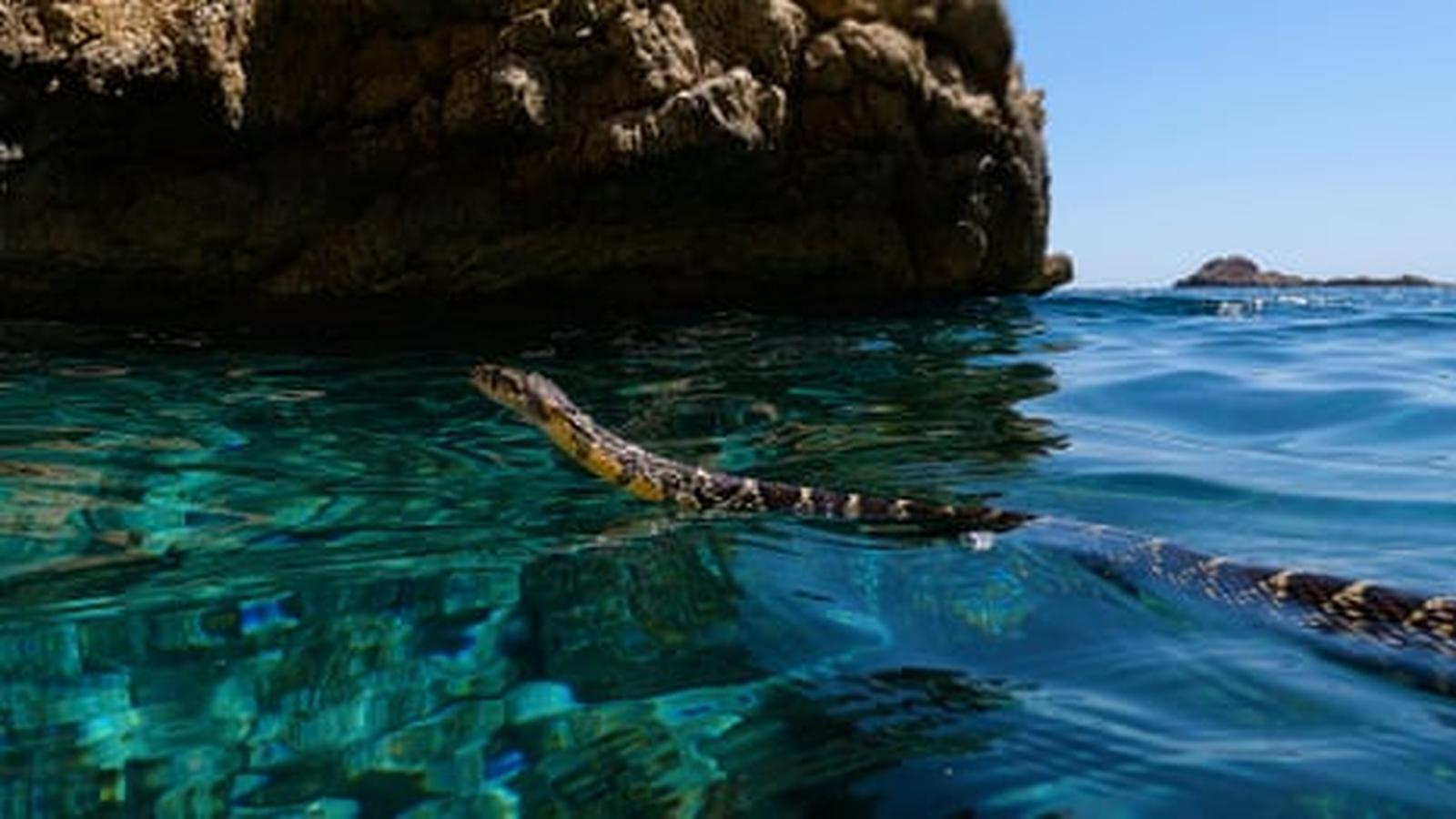
Beyond the urban centers of the United States, the ecological impact of snake populations is reaching a breaking point in the Balearic Islands. The horseshoe whip snake (Hemorrhois hippocrepis), an invasive species from mainland Spain, has effectively decimated the endemic Ibiza wall lizard population. Through a process of rapid colonization facilitated by the horticultural trade—specifically the importation of ancient olive trees—these snakes have reached an existential threat level for the island’s biodiversity. Researchers from the Centre for Ecological Research and Forestry Applications (Creaf) note that the snakes have adapted to the island’s environment with such voracity that they now exhibit physical growth significantly exceeding their mainland counterparts, with some specimens reaching two meters in length.
The loss of the Ibiza wall lizard is not merely a localized tragedy but a broader ecological failure. As a keystone species, these lizards perform vital roles in pollination, seed dispersal, and insect population control. Their decline on several islets signals a collapse that experts compare to the catastrophic loss of bird species on Guam. Despite culling efforts that have removed over 16,000 snakes since 2016, the prognosis remains grim, with projections suggesting the invasive species will inhabit 100% of Ibiza by the end of 2027.
Pathogens and the Silent Decline
In the southeastern United States, a different but equally devastating threat is unfolding. A recent four-year study by the University of Georgia has revealed that native snake species are suffering from an unprecedented surge in fungal, parasitic, and bacterial infections. Testing over 500 snakes across 29 species, researchers identified high prevalence of pathogens such as Ophidiomyces ophidiicola, which causes Snake Fungal Disease, and the lungworm Raillietiella orientalis. The latter, introduced by invasive Burmese pythons, has found little resistance in native species, leading to weakened immune systems and increased mortality.
The study highlights a critical intersection between human-driven environmental shifts and wildlife health. More than 40% of the sampled snakes carried multiple pathogens, suggesting that stressors such as habitat loss and climate change may be exacerbating the impacts of these diseases. As scientists emphasize, the health of these predators is inextricably linked to the functioning of their broader ecosystems. Without targeted intervention and a better understanding of how these infections transition from sub-clinical presence to fatal illness, many species—including the pygmy rattlesnake—may face extinction.
The convergence of these events—ranging from individual illegal pet ownership in New York to large-scale ecological displacement in the Balearics and the spread of debilitating diseases in the American South—paints a picture of a global ecosystem under immense pressure. Whether through the regulation of exotic trade or the mitigation of invasive pathogens, the survival of these reptile populations, and the ecological stability they support, depends on a more proactive and scientifically informed approach to wildlife management.