


A Bipartisan Alarm on AI
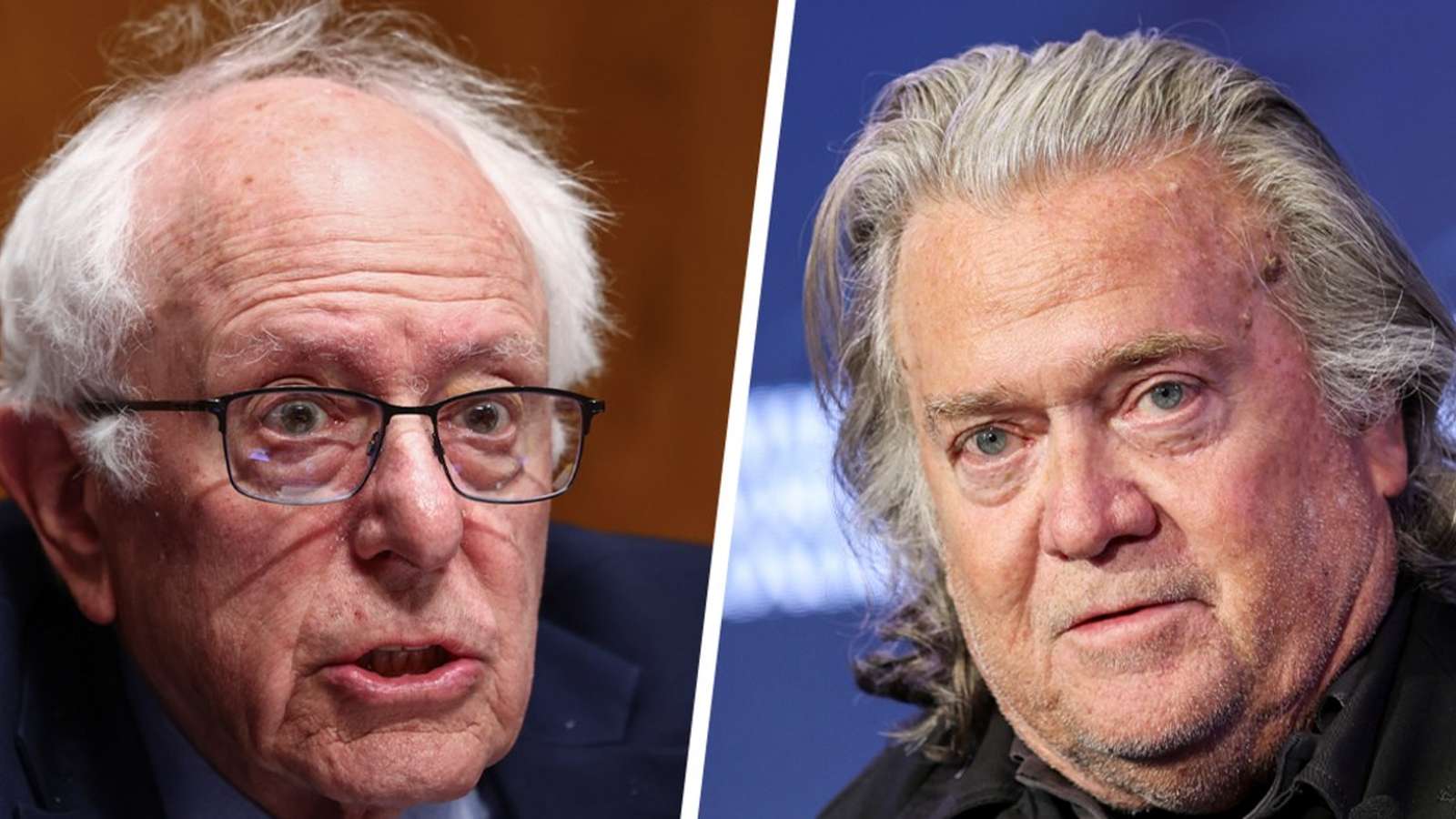
In a rare instance of ideological alignment, Senator Bernie Sanders, I-Vt., and former Trump White House aide Steve Bannon convened in Washington on Wednesday to participate in the “Pro-Human Assembly.” The event, which drew a diverse coalition of skeptics, served as a platform to demand federal policy interventions to curb the rapid, and often unrestrained, development of artificial intelligence.
While President Donald Trump has publicly dismissed concerns regarding the existential risks of AI as a “hoax,” the pressure from Capitol Hill is mounting. According to NBC News, House Speaker Mike Johnson, R-La., indicated that the President is expected to host a meeting with major AI platform leaders in the coming days. The goal of these discussions is to establish safety protocols and clarify the federal government’s role in overseeing the industry.
The ‘Goldilocks’ Regulatory Approach
The administration’s stance remains complex as it balances economic innovation with public safety. Transportation Secretary Sean Duffy, speaking at the AI and American Transportation Dinner, outlined what he described as a “Goldilocks approach” to regulation. Duffy emphasized the need to foster innovation without “over-regulating” small companies, while acknowledging that AI integration is inevitable in federal systems.
“I’m not going to have AI control your airplane,” Duffy stated, noting that while AI tools can improve safety and efficiency for air traffic controllers, human oversight remains non-negotiable. However, he was candid about the economic impact of automation, particularly in the trucking industry. “I love the truckers,” Duffy said, “but I’m sure there’s going to be some disruption for sure” as self-driving technology continues to evolve for short-haul routes.
Legislative and Institutional Volatility
The focus on AI oversight comes amid a flurry of other legislative and institutional shifts in Washington. The House of Representatives passed a nonbinding war powers resolution directing the administration to end U.S. hostilities in Iran in a 220-204 vote. The measure gained bipartisan support, with seven GOP lawmakers joining Democrats, marking the third time such a resolution has passed the chamber.
Simultaneously, the administration’s influence on cultural and political institutions is facing scrutiny. The Kennedy Center for the Performing Arts is reportedly facing potential bankruptcy, with its board of trustees—appointed by President Trump—voting to shutter the center. Following the vote, the center’s chief financial officer, Donna Kauranen, resigned, as reported by NBC News. The administration has signaled that renovations may only proceed if the President’s name is added to the building.
What Happens Next
As the White House prepares for its meeting with tech executives, the debate over AI safety is expected to intensify. Lawmakers are closely monitoring how the administration intends to bridge the gap between its dismissive rhetoric regarding existential AI risks and the practical, safety-focused regulations being discussed by department heads like Secretary Duffy.