


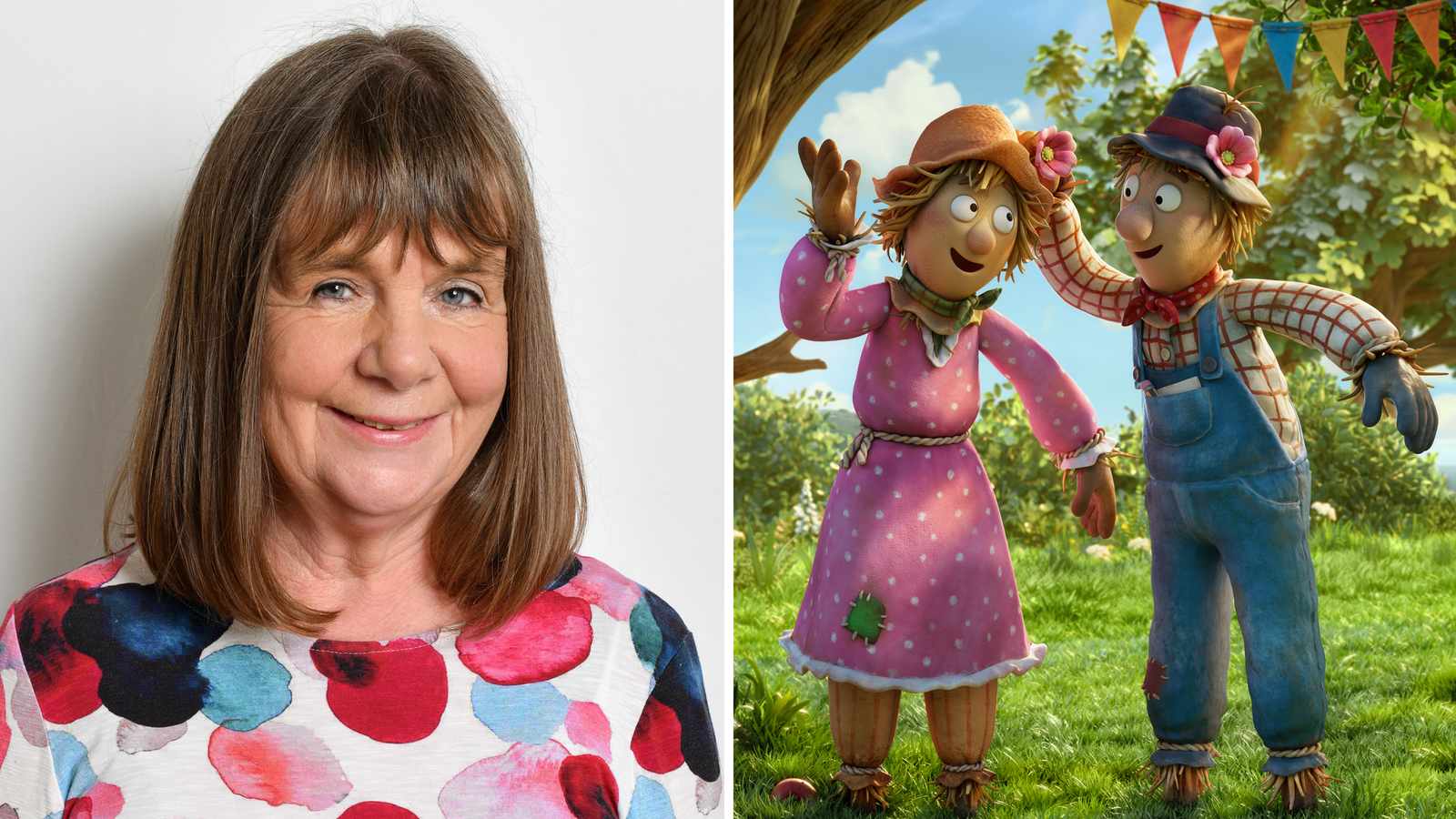
Every Christmas, millions of families in the UK gather around their screens for a BBC tradition: a new animated adaptation of Julia Donaldson and Axel Scheffler’s best-loved children’s books. This year, it’s The Scarecrows’ Wedding that takes center stage, bringing the sunny tale of Betty O’Barley and Harry O’Hay to frosty living rooms nationwide.
But the journey from page to screen was anything but straightforward. Behind the scenes, a storm brewed over a single, pivotal moment—one that nearly derailed the project and forced Donaldson herself to reconsider her creative boundaries.
The story, adapted by Magic Light Pictures and narrated by Sophie Okonedo, features Jessie Buckley as Betty, Domhnall Gleeson as Harry, and Rob Brydon as Reginald Rake, the villainous rival scarecrow. It’s a 30-minute burst of warmth, loyalty, and love—perfect for the festive season, and, as TechRadar reports, available for free on BBC iPlayer for UK viewers. Those abroad can tune in with a VPN, though simultaneous release in other countries hasn’t been confirmed.
Yet, as Sky News and Cornwall Live reveal, the real drama happened off-screen. When the BBC approached Donaldson for the adaptation, they flagged a problem: the original book features Reginald Rake smoking a cigar, a moment that sparks a dramatic fire. “The film company said ‘you’re not allowed to show anyone, even a baddie, smoking,’” Donaldson explained. Despite the book’s clear message—«smoking is bad for you, Betty exclaimed»—children’s broadcasting rules, as stated by media regulator Ofcom, bar smoking in kids’ programs unless there’s strong editorial justification.
Donaldson’s initial response was firm: “I said ‘absolutely not.’” For the first time in 13 adaptations, she threatened to pull the plug. But creativity found a way. “I went home and went straight to the computer. I thought he could start the fire by cooking something, and then I thought of pink and white marshmallows,” Donaldson recounted. The revised scene works seamlessly, keeping the dramatic tension without the controversial element. “I am sorry in a way to lose the smoking but I think marshmallows do work well,” she admitted.
This shift is more than just a tweak—it’s a reflection of the evolving landscape of children’s media, where safety, public health, and creative freedom often collide. Donaldson herself voiced frustration over what she sees as an overly sheltering approach to children’s storytelling: “You get told that you can’t have any stories anymore about children doing things unchaperoned by an adult, as if people can’t distinguish between real life and fiction.”
Despite the change, The Scarecrows’ Wedding remains one of Donaldson’s favorites. “I like this one because it’s so summery,” she told Sky News. The irony isn’t lost—while the animation airs at Christmas, its message and imagery are a reminder that warmth and hope can break through even the coldest winter days. It’s a celebration of love, resilience, and adapting to challenges—on and off the screen.
The BBC Christmas special continues a tradition that began 16 years ago with The Gruffalo, and has since included Stick Man, Superworm, and more. These short, family-friendly films have become modern classics, beloved for their gentle humor, heartfelt themes, and star-studded voice casts.
For those eager to watch, BBC iPlayer offers the special for free to UK viewers. All you need is a BBC account, a UK postcode, and a valid TV licence. The platform is available on nearly every device—smart TVs, tablets, smartphones, gaming consoles, and more. If you’re outside the UK, services like NordVPN can help you access the stream, though viewers should always respect local laws and service terms.
As for international fans, there’s no confirmed release on US, Canadian, or Australian platforms yet, but history suggests the special may eventually reach wider audiences via local streaming services or digital purchase.
The adaptation’s backstory offers a glimpse into the delicate balancing act behind children’s programming—honoring beloved source material while navigating modern broadcast standards. Donaldson’s willingness to adjust, without sacrificing the spirit of her story, underscores the resilience and flexibility that’s made her work a staple of Christmas viewing.
And as fans await the next chapter—Scheffler hints at a Gruffalo sequel coming in 2026—the legacy of The Scarecrows’ Wedding is secure: a festive, funny, and surprisingly poignant tale of love and compromise, both on the field and behind the scenes.
Ultimately, the adaptation’s journey reflects the tension between creative intent and societal norms. While some may lament the loss of the original detail, Donaldson’s pragmatic approach—and the BBC’s commitment to safe, inclusive storytelling—ensures that the heart of The Scarecrows’ Wedding remains intact for a new generation.
Citations: TechRadar, Sky News, Cornwall Live, Prima