


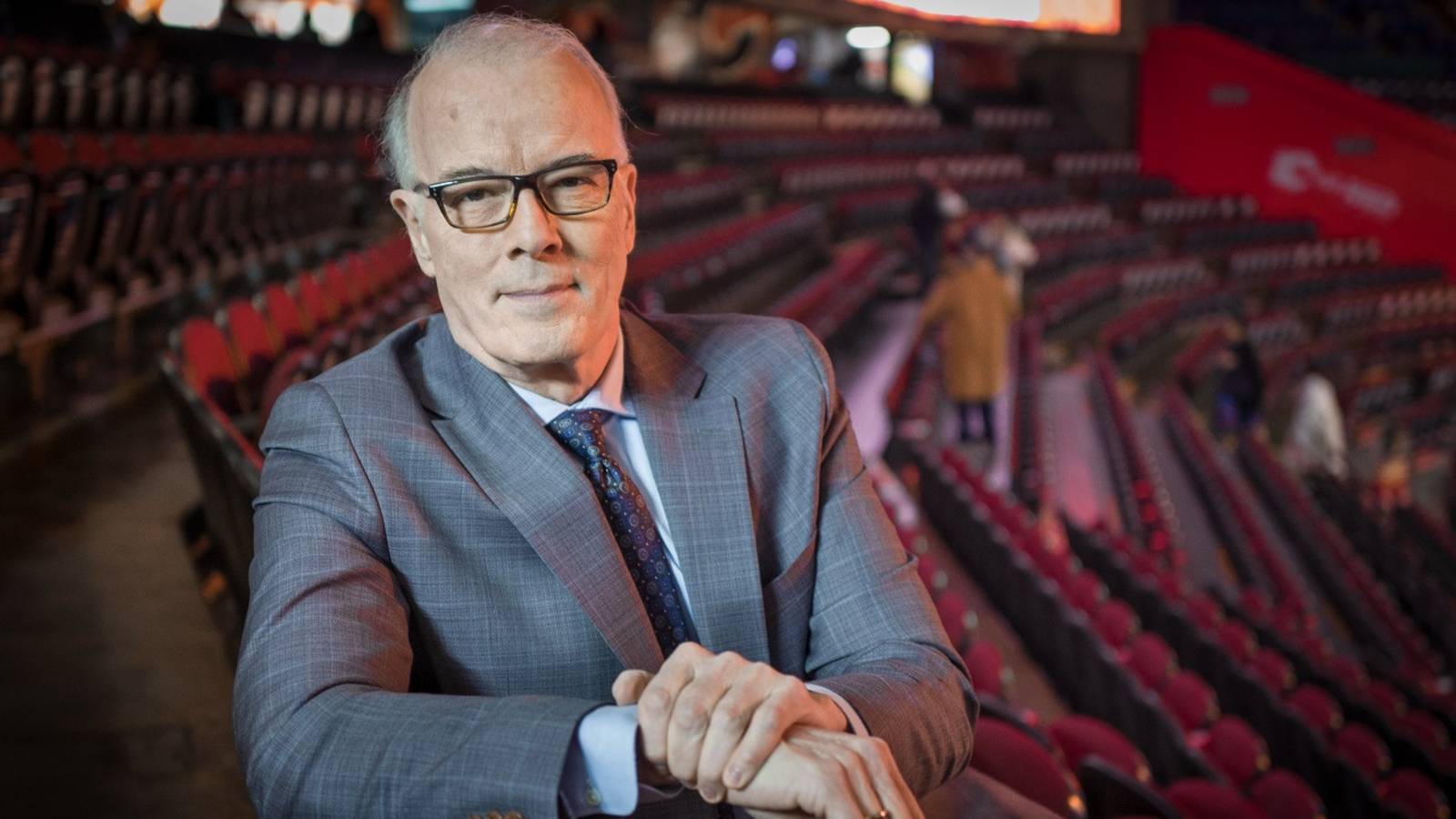
Scott Oake has announced that the 2025-26 season will be his final year in broadcasting, marking the end of a tenure that has defined the sound of Saturday night hockey for generations of Canadians. The veteran broadcaster confirmed his retirement during Saturday’s edition of After Hours, setting his final on-air appearance for April 11.
The legacy of Scott Oake at Hockey Night in Canada
For nearly four decades, Oake has been a fixture of the Canadian sports landscape. After beginning his career at Memorial University of Newfoundland and moving to Winnipeg in 1979, he joined the Hockey Night in Canada team in 1989. His departure signals more than a simple personnel change; it represents the closing of a chapter for the iconic program, where he served as a primary interviewer and a stabilizing presence during the late-night broadcasts that followed marquee games.
Building the After Hours tradition
Oake was instrumental in the development and sustained success of After Hours, a program that transformed post-game coverage by providing a platform for longer, more personal conversations with players, coaches, and league executives. First launched in the 2000-01 season, the show became a staple of the hockey ecosystem, allowing fans to hear directly from the figures shaping the sport. His ability to balance professional interviewing with a disarming sense of humor—most notably in his viral, lighthearted exchanges with NHL veteran Ryan Reaves—became a hallmark of his broadcasting style.
Service beyond the broadcast booth
The impact of Oake’s public life extends well beyond the studio. Following the tragic loss of his son, Bruce, in 2011, Oake founded the Bruce Oake Recovery Centre in Winnipeg. His advocacy work and personal resilience have earned him widespread respect, complementing his professional accolades, which include an Order of Canada, an Order of Manitoba, and a 2003 Gemini Award. His departure marks the end of a career defined by both his contributions to sports media and his commitment to public service.
The conclusion of Oake’s career highlights a shifting era in sports broadcasting, where the traditional, personality-driven interview format he championed is increasingly rare, underscoring the significance of a voice that bridged the gap between the intensity of the rink and the living rooms of fans for nearly forty years.