


A Hybrid Comeback Amid Surging Storage Costs
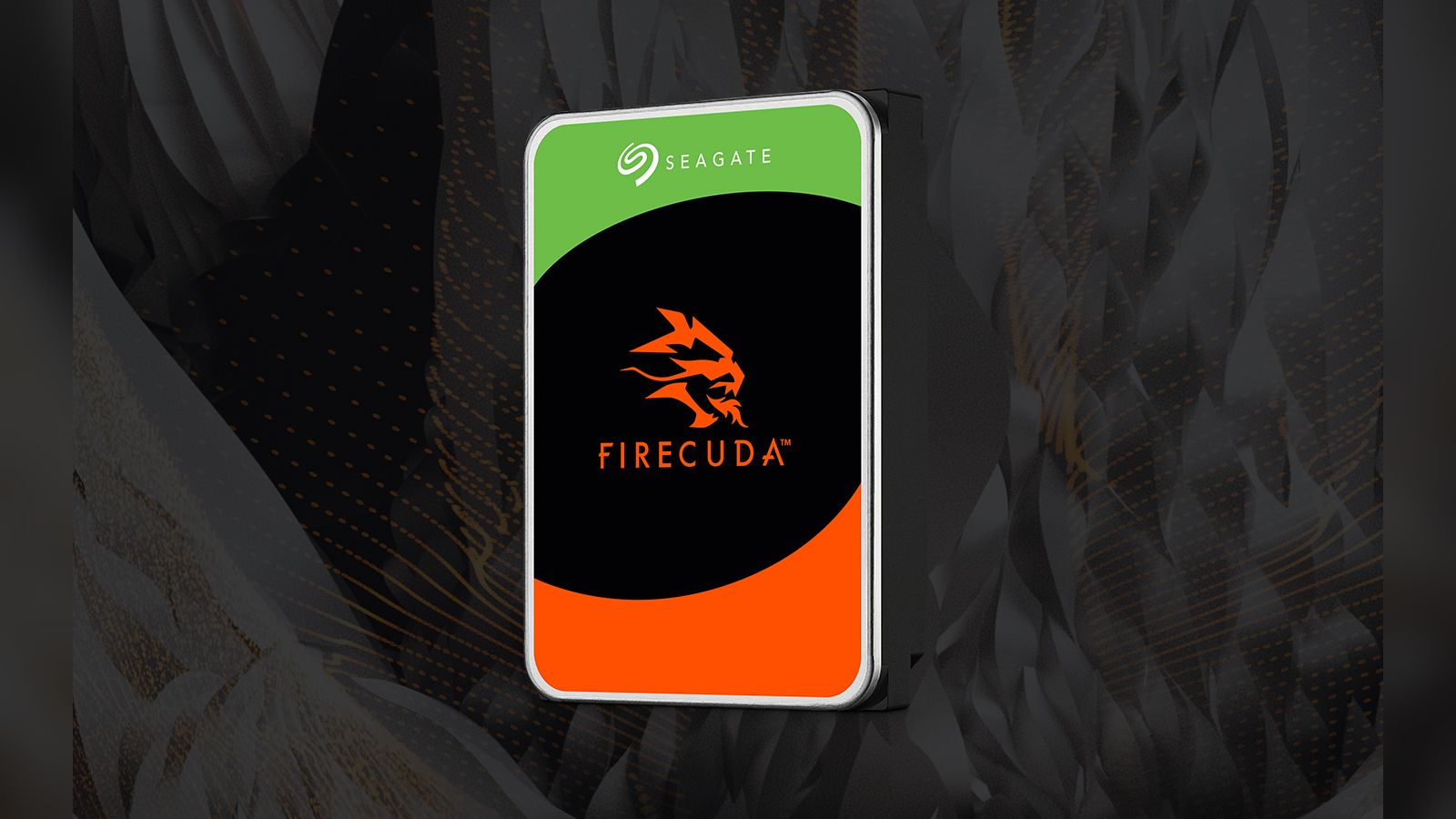
Seagate is reviving the hybrid storage concept in response to soaring memory prices, announcing on Tuesday, November 10, 2026, the launch of its new FireCution Forge external storage line Ars Technica reported. The product family pairs the massive capacity of a traditional spinning-platter hard disk drive with the high-speed performance of a solid-state drive. However, unlike historical hybrid models, the system requires customers to purchase and install their own M.2 NVMe SSD separately inside the external enclosure.
The FireCuda Forge is available immediately through Seagate’s web store in two primary capacity configurations. The 8TB model is priced at $699, while the 20.TB version costs $899, with both options shipping strictly without the necessary solid-state drive New Media Factor reported. Measuring 9.5 by 5.8 by 2.6 inches and weighing over four pounds, the desktop unit connects to host machines via USB4 and supports Windows 11 and macOS 26 or newer operating systems.
Alkemi Platform and Technical Specifications
The hybrid setup is managed by Seagate’s proprietary Alkemi intelligent storage platform, operating directly from the enclosure New York Weekly Times reported. According to company documentation, Alkemi adapts over time to keep high-demand data accessible on the user-installed SSD while storing larger libraries on the mechanical drive. This enclosure-level management marks a departure from historical solutions like Apple’s 2012 Fusion Drive, which relied on host operating system tiering.
Users adding their own solid-state drive must meet specific hardware requirements. The enclosure accepts M.2 2280 NVMe drives rated at PCIe Gen 3 or higher, with a maximum supported capacity of 1TB PCWorld reported. The required NVMe must deliver minimum read speeds of 2,400MB/s and write speeds of 2,000MB/s, with Seagate recommending a model featuring an onboard DRAM cache. The combined system is rated by the manufacturer for up to 2,500MB/s read and 2,000MB/s write performance.
Market Context and Economic Pressures
The return of hybrid storage addresses a dramatic shift in the component market. Following historical lows earlier in the decade, storage pricing per terabyte has climbed significantly amid increased demand driven by artificial intelligence infrastructure expansion Ars Technica reported. Data cited from industry trackers indicates some solid-state drives have doubled or tripled in price compared to historic lows, while mechanical storage has also experienced substantial upward pressure.
By shifting the cost of the solid-state component to the end user, Seagate offers a tiered performance path for content creators and professionals who require massive capacity alongside rapid cache access. While the requirement to source a separate drive adds an extra step and upfront expense, the architecture attempts to make high-capacity storage more economically viable under current market conditions.