


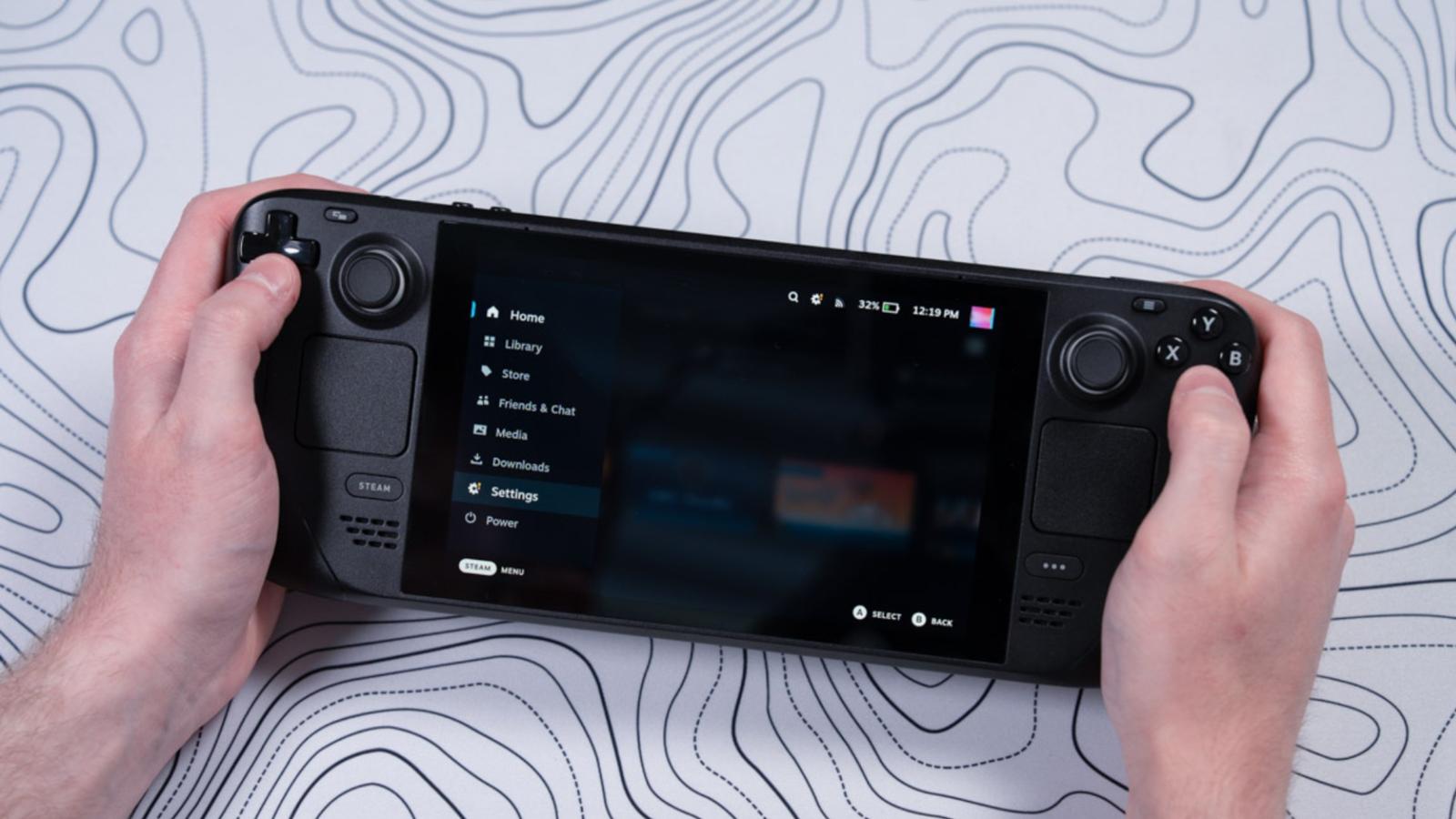
Valve Expands Steam Deck Transparency with FPS Benchmarks
Valve has introduced average framerate data and distribution histograms directly onto Steam store pages for thousands of Steam Deck games, addressing long-standing limitations in the platform’s traditional verification system (PC Guide). Announced in November 2026, the new feature allows prospective buyers to view actual gameplay performance metrics before purchasing or downloading a title.
Previously, Steam Deck owners relied primarily on binary compatibility tags such as ‘Verified’ and ‘Playable’. However, these labels did not always reflect individual player expectations or hardware limits. As TwistedVoxel reported, some games marked as unsupported could run acceptably, while certain verified titles occasionally fell short of smooth performance.
How the Crowdsourced Framerate System Operates
The newly integrated benchmarks draw on anonymous performance data collected from Steam Deck users who have opted into sharing their gameplay statistics. According to Valve, a majority of active Steam Deck users have already agreed to contribute data, which is filtered through a strict minimum threshold of samples to prevent misleading results on lesser-played titles.
Store pages now display average framerates for both the original LCD and OLED models. Users can also expand a Framerate Distribution histogram to observe how consistently a game runs. To maintain data integrity, Valve filters samples based on default frame limits—60 FPS for LCD models and 90 FPS for OLED systems—without accounting for custom in-game graphics settings.
Desktop PC Support and Future Rollout
Alongside the handheld integration, Valve has initiated a broader expansion of the telemetry system. Customers running the latest Steam Client Beta on desktop PCs can now opt in to share anonymous framerate data. While the feature is currently confined to the client beta, Valve plans a full rollout to all desktop users, laying the groundwork for hardware performance transparency across a wider range of PC configurations.
The system also highlights specific hardware behavior, such as noticeable gaps in performance histograms between 90 FPS and 45 FPS on OLED devices. Valve explains that this variance stems from VSync, which synchronizes framerates with the display refresh rate to prevent screen tearing. For instance, a title averaging 75 FPS on a 90Hz display may regularly alternate between those two milestones.
Practical examples already visible on the storefront include Final Fantasy VII Rebirth averaging 37 frames per second on Steam Deck OLED models, while Hades II reaches an average of 88 FPS on the same hardware. By grounding storefront expectations in empirical player data rather than strictly standardized test criteria, Valve aims to make portable PC gaming more transparent and accessible for all users.