


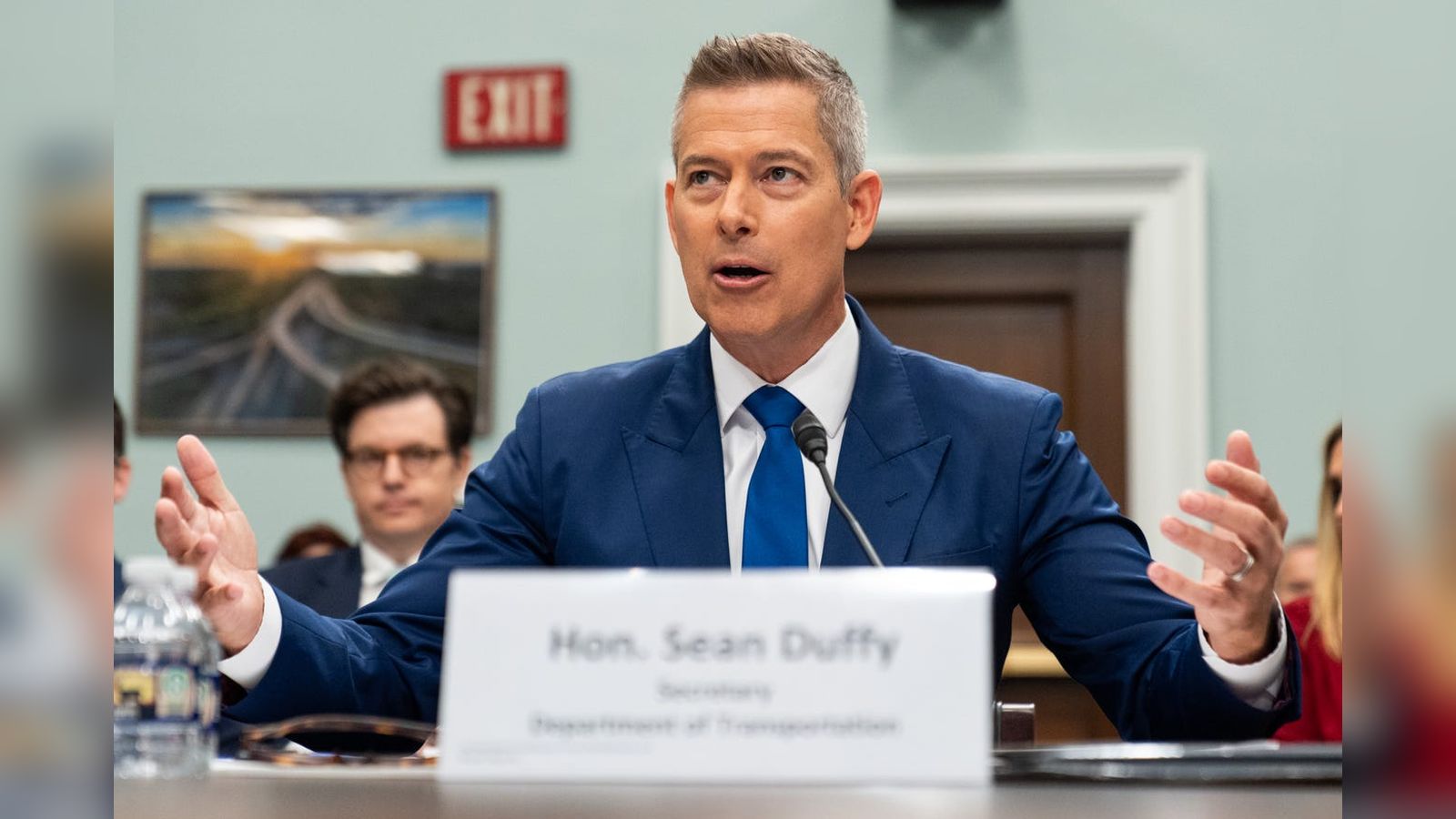
A Reality TV Approach to Governance
In August 2026, U.S. Transportation Secretary Sean Duffy released a six-episode YouTube series titled “The Great American Road Trip.” The production, which documents a cross-country journey taken by Duffy and his family, has become a lightning rod for criticism regarding the intersection of high-level government office and commercial entertainment. The series debuted amidst a politically polarized climate, following months of public discourse surrounding the administration’s policy decisions and the project’s own opaque funding structure.
The series, which positions itself as a celebration of America’s 250th anniversary, has been criticized for its curated, “ahistorical” depiction of the country. Critics, including observers from the Revolving Door Project, have questioned the appropriateness of a sitting cabinet member starring in a production underwritten by major corporations that fall under his department’s regulatory purview.
Corporate Sponsorship and Regulatory Concerns
The financing of “The Great American Road Trip” has drawn significant scrutiny. According to reports, the production received financial backing from entities including Boeing, Toyota, United Airlines, Chase Travel, and Royal Caribbean. These contributions were funneled through a 501(c)(4) nonprofit organization named Great American Road Trip, Inc. While an opening title card on the series explicitly states that no taxpayer dollars were used for the participation of the Secretary’s family, the ethical implications of a regulated industry funding a cabinet member’s media project remain a point of contention among government ethics watchdogs.
The project’s pitch deck, which surfaced in May 2026, outlined sponsorship tiers ranging from $100,000 to $1 million, raising further questions about the influence of corporate interests on the public image of high-ranking officials. The Department of Transportation has not publicly addressed the specific concerns regarding the potential for conflicts of interest arising from these sponsorships.
Political Messaging and Public Reception
Beyond the financial ethics, the series has been characterized by its distinct ideological tone. Throughout the episodes, Duffy and his wife, Fox News personality Rachel Campos-Duffy, present a version of American life that emphasizes conservative, traditionalist values. This includes controversial segments where Duffy expresses concerns about the influence of elite universities on young minds, specifically targeting Harvard, and highlights the family’s personal experiences, ranging from the medical issues of their children to the unveiling of family milestones.
The series stands in sharp contrast to the broader cultural discourse surrounding the nation’s 250th anniversary. Critics argue that the production ignores the complexities of American history and current social challenges, instead favoring a polished, “meme-friendly” narrative that prioritizes branding over substantive policy engagement or historical inquiry.