


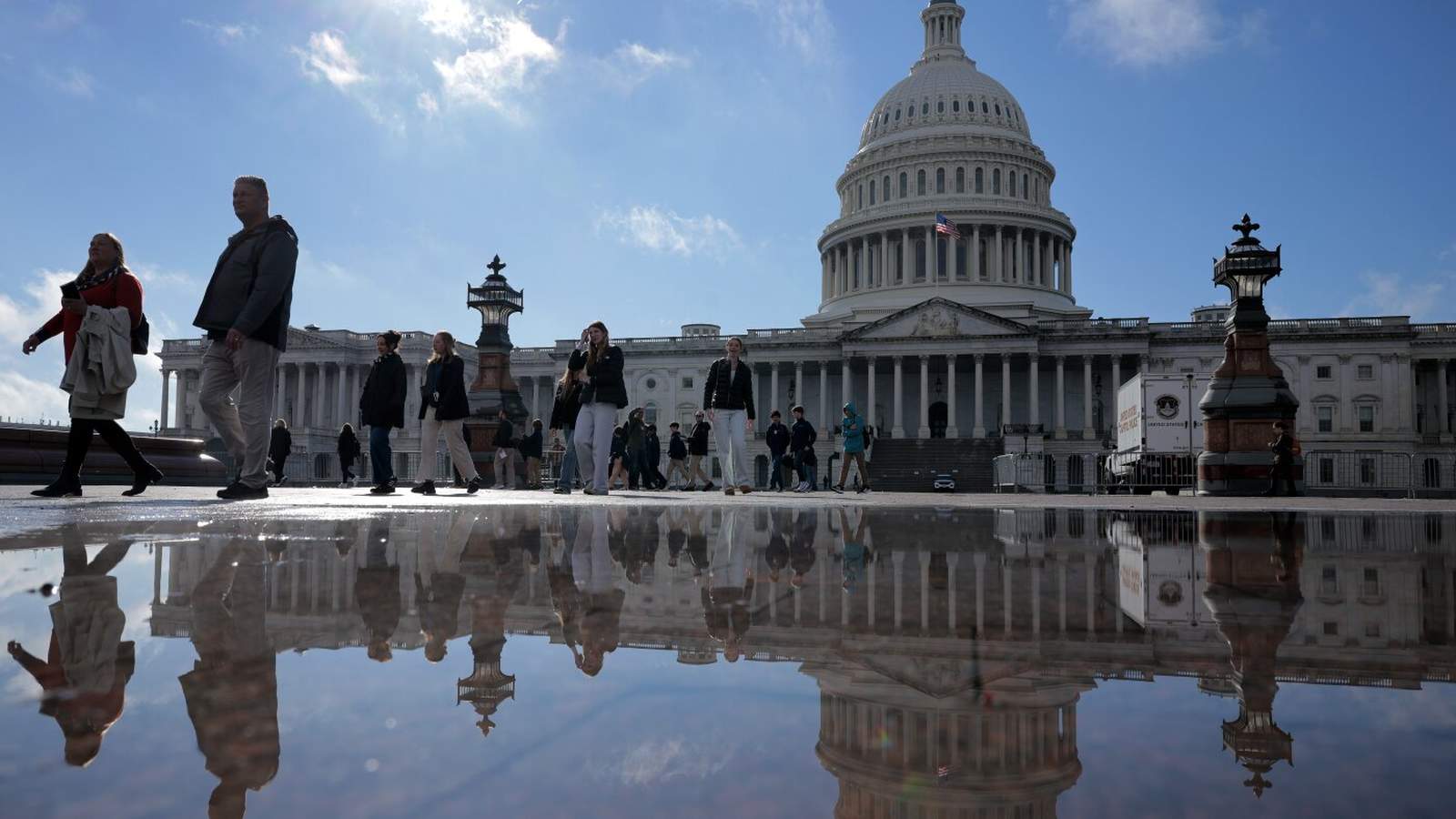
WASHINGTON (Azat TV) – The United States Senate is bracing for a pivotal showdown this week as Senate Majority Leader John Thune prepares to bring the SAVE America Act to the floor for a vote. The legislation, which mandates proof of citizenship for federal voter registration and enforces strict photo identification requirements at the polls, has emerged as a cornerstone of President Donald Trump’s midterm election strategy.
Legislative Hurdles and the 60-Vote Threshold
The bill faces a daunting path to passage. While it successfully cleared the House of Representatives earlier this year, it encounters a significant obstacle in the Senate. With Republicans holding a 53-seat majority, the legislation requires 60 votes to overcome a filibuster. Senate Minority Leader Chuck Schumer and the Democratic caucus have remained firm, vowing to block the measure, which they argue would disenfranchise millions of eligible citizens who lack immediate access to specific documentation.
The Debate Over Election Integrity and Access
The core of the dispute centers on the balance between election security and voter access. Supporters, led by the President, contend that the act is an essential safeguard against non-citizen voting, asserting that current state-level enforcement is inadequate. Conversely, voting rights advocates and Democratic lawmakers point to data suggesting that approximately 20 million Americans of voting age may lack readily available proof of citizenship, such as a passport or a birth certificate that matches their current legal name.
Political Strategy and the Midterm Stakes
The urgency surrounding this vote is amplified by the approach of the midterm elections. President Trump has publicly tied the success of his legislative agenda to the passage of the act, warning of potential political consequences for the party if the bill fails to advance. As the Senate prepares for the debate, discussions have intensified regarding the potential for a ‘talking filibuster,’ a procedural maneuver that could prolong proceedings for days or weeks as Republicans seek to exert maximum pressure on the opposition.
While the administration frames the bill as a necessary security measure, constitutional scholars note that the legislation challenges the traditional authority of states to administer their own elections, setting the stage for inevitable legal challenges should the bill be enacted into law.