


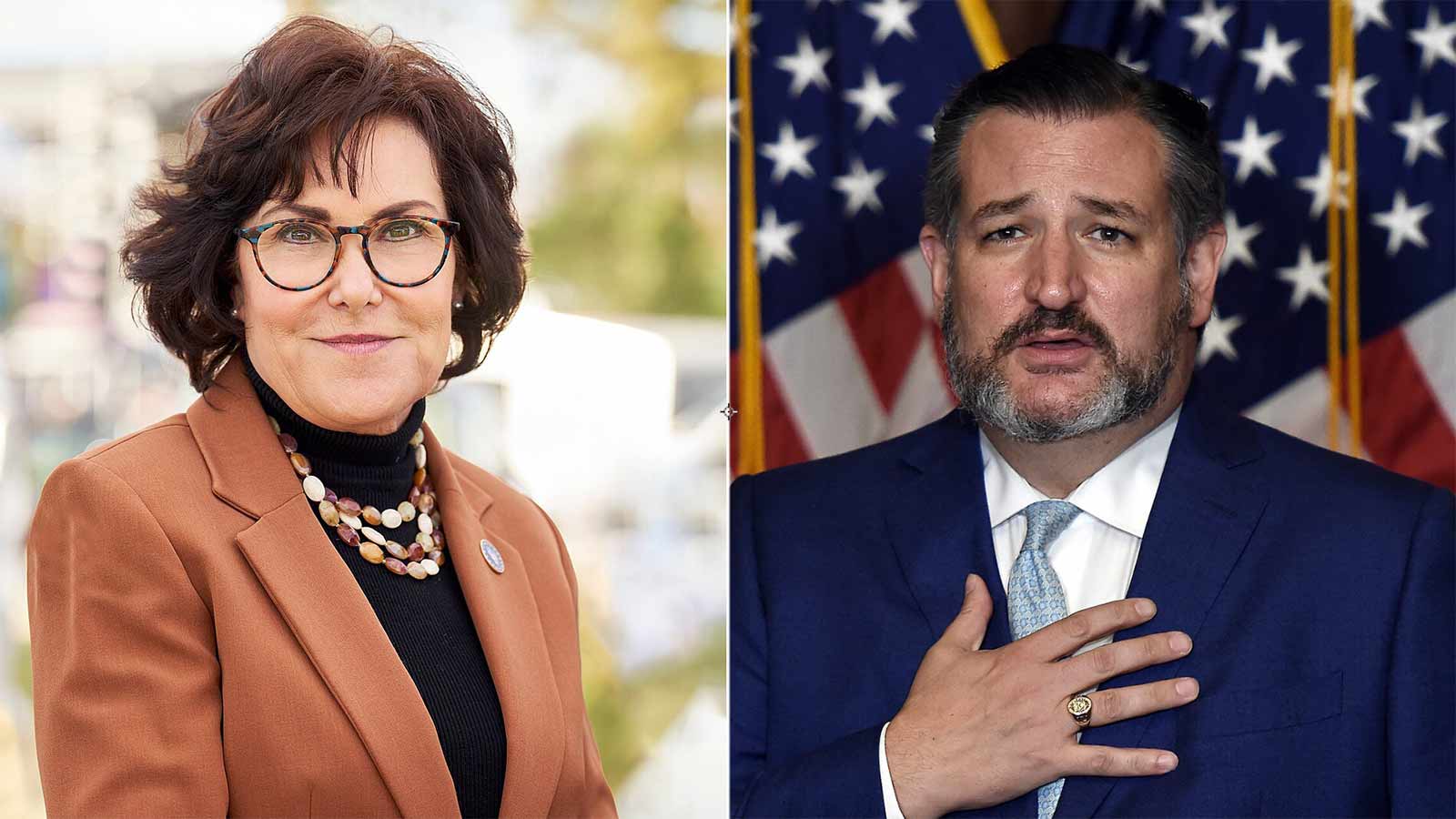
U.S. Senators Ted Cruz (R-Texas) and Jacky Rosen (D-Nevada) have officially introduced the Muhammad Ali American Boxing Revival Act to the Senate. The bipartisan bill aims to fundamentally reshape the professional boxing industry by permitting UFC-style promotional structures, which have historically been restricted in boxing under federal law.
A Bipartisan Push to Overhaul Boxing
According to reports from Yahoo Sports and Boxing News, the bill represents a significant push to modernize a sport that many policymakers argue has become too fragmented to consistently deliver high-profile matchups. While a separate version of the bill passed the House of Representatives in March 2026, the newly introduced Senate version contains several key structural modifications. These differences must be reconciled before the legislation can be sent to President Donald Trump for his signature.
Proponents of the bill argue that the current boxing landscape prevents the best fighters from facing one another due to competing promotional companies and sanctioning bodies. Senator Cruz emphasized this point, stating that while past reforms improved safety, today’s system traps the sport in a fragmented state that prevents marquee matchups from materializing.
Introducing United Boxing Organizations (UBOs)
At the core of the proposed legislation is the creation of United Boxing Organizations (UBOs). These entities would be legally permitted to operate similarly to mixed martial arts promotions like the Ultimate Fighting Championship (UFC). Under this model, a UBO could sign boxers to exclusive multi-fight contracts, establish its own promotional rankings, and award its own championship titles.
To balance these expanded promotional powers, the bill introduces several federal mandates. These include the establishment of a national per-round minimum payment for fighters, enhanced health and safety protocols, and more rigorous drug-testing requirements.
Key Differences: Senate vs. House Versions
The Senate draft diverges from the House-passed bill in several regulatory areas designed to offer fighters more leverage during contract negotiations:
- Contract Duration: Under the Senate bill, a fighter’s initial contract with a UBO is capped at a maximum of three years. Subsequent contracts can extend up to six years.
- Renegotiation Window: Fighters would be permitted to negotiate new deals up to 90 days before their current contract expires, a significant increase from the 30-day window proposed in the House version.
- Title Recognition: The Senate version allows UBOs to recognize rankings and titles from external sanctioning bodies, which was not permitted in the House version.
- Championship Limits: The Senate version eliminates a House provision that would have restricted titles to just one championship per weight class.
- Implementation Timeline: If passed, the Senate bill would take effect 180 days after being signed into law, compared to the House’s 30-day timeline.
The Debate Over Fighter Protections
The bill has met with stiff resistance from traditionalists and fighter advocates who argue it dismantles the core protections established by the original Muhammad Ali Boxing Reform Act of 2000. That landmark legislation was designed to prevent conflicts of interest by strictly separating the roles of promoters (who organize events) and managers (who represent the financial interests of the fighters).
Nico Ali Walsh, a professional boxer and the grandson of Muhammad Ali, testified before Congress in April 2026 against the new bill. Walsh argued that allowing a single entity to control promotion, management, and matchmaking simultaneously removes the independence of fighters and exposes them to systemic exploitation.
Senator Rosen noted that her legislative team met with Walsh prior to introducing the Senate version to address some of these concerns. Rosen maintained that the bipartisan bill keeps essential protections from the original Ali Act intact while introducing necessary updates to help the industry grow in Nevada and across the country.
The Legislative Path Forward
The immediate next step for the Senate bill is the introduction of potential amendments. Following any adjustments, the Senate and the House of Representatives must form a conference committee to reconcile the differences between their respective versions of the legislation.
Congress faces a strict deadline to complete this process. Both chambers have until January 2027—when the current legislative session ends and a new Congress is convened—to merge the bills and pass a unified version. If they fail to meet this deadline, the legislative clock will reset, and the entire process must begin anew.