


An On-Air Blunder and a Monologue Controversy
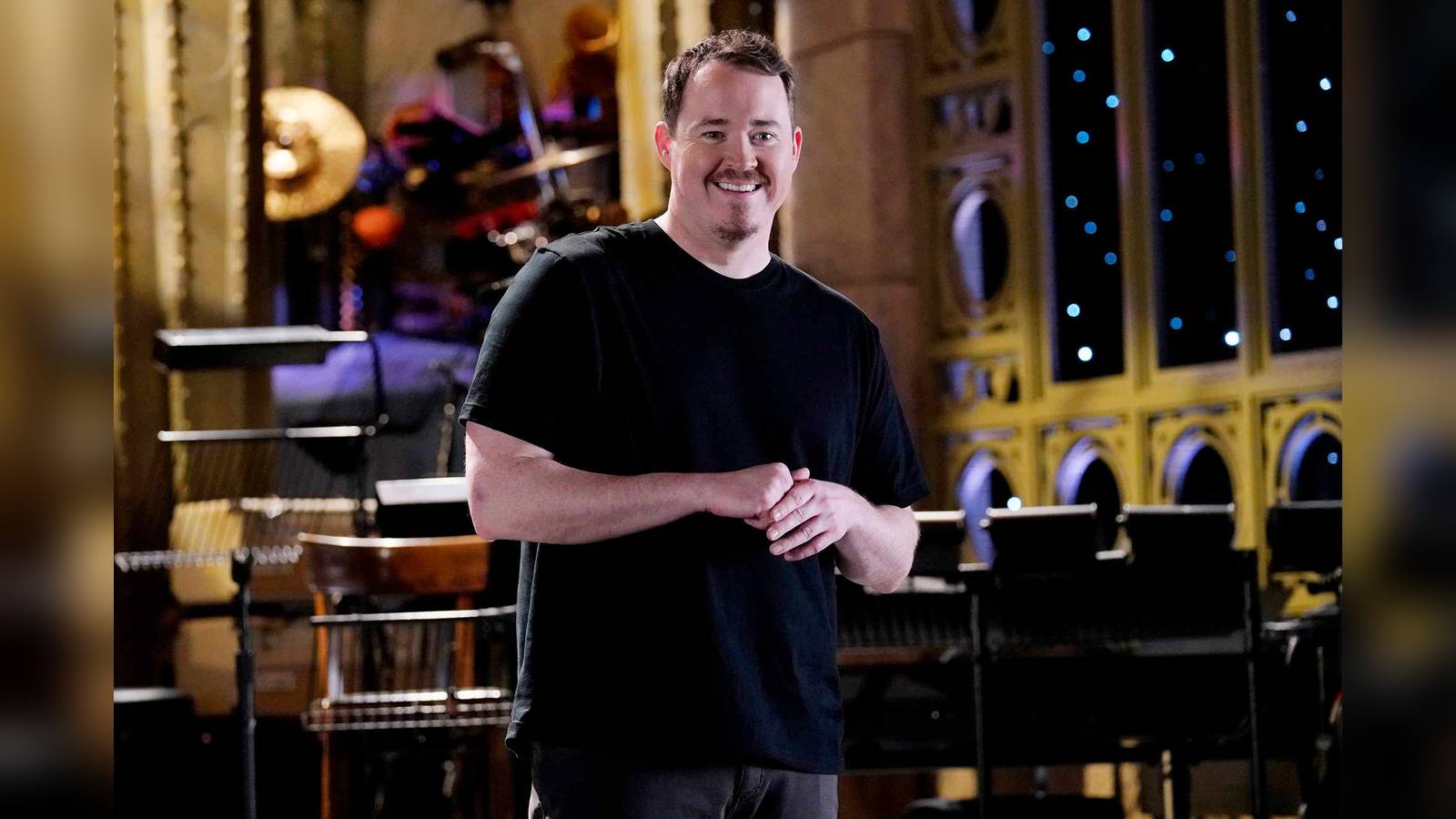
Comedian Shane Gillis faced heavy public scrutiny following his third hosting stint on Saturday Night Live on October 11, 2026, according to The Independent. While Gillis publicly apologized during the broadcast for accidentally dropping an F-bomb during a Dr. Seuss-themed sketch, viewers expressed widespread outrage primarily over his opening monologue.
During the sketch, which parodied Dr. Seuss characters, Gillis played an overprotective son intervening in a reading of Green Eggs and Ham. Defending his father, played by Mikey Day, against Sam-I-Am, portrayed by Andrew Dismukes, Gillis blurted out an unscripted profanity. As The Wrap reported, the comedian immediately doubled over, exclaimed “Oh no!” and waved in apology to the audience while scene partners attempted to keep the performance on track.
The Monologue Remarks That Sparked Outrage
Although the live profanity went viral across social media platforms, attention quickly shifted to remarks Gillis made during his opening stand-up set. Speaking about activewear, the comedian remarked that he had not visited a gym recently and did not realize women “just dressed like whores now,” prompting groans and jeers from the studio audience.
Social media users sharply criticized the routine, with multiple commentators taking to platforms like X to condemn the humor. Viewers questioned the appropriateness of the material, while others expressed frustration that the public discourse focused heavily on the slip-of-the-tongue profanity rather than the commentary on women’s clothing choices.
Historical Context and Prior SNL Scrutiny
The latest controversy revives a complex history between Gillis and the long-running sketch comedy program. Gillis was initially hired as an SNL cast member in 2019 alongside Bowen Yang and Chloe Fineman, but was dismissed before making his debut after historical podcast recordings surfaced featuring racist and homophobic remarks.
Following his firing, Gillis issued statements addressing the past comments, describing himself as a boundary-pushing comedian who sometimes misses the mark. Despite the initial separation, NBC invited him back to host the show in 2024, the following year, and again for the October 2026 episode, highlighting a shifting landscape for performers who maintain dedicated independent audiences through podcasting and stand-up tours.
Detailed Breakdown of the Sketch Incident
The live broadcast on Saturday night captured a moment that quickly circulated across digital media platforms. Playing Zackary, an overly protective son, Gillis stepped into the narrative to defend his father from the relentless questioning of Sam-I-Am. The unscripted language caught the actor off guard mid-sentence, leading to visible embarrassment on stage. Scene partners attempted to pivot, with Mikey Day later working the flub directly into the narrative by reprimanding his character for using offensive language. At the end of the night, during the traditional goodnights alongside musical guest Rosalía, Gillis addressed the audience directly to offer a brief apology for the occurrence.
However, media analysts and online commentators quickly pointed out that the linguistic slip overshadowed a much more contentious part of the evening. The opening stand-up routine, delivered without cue cards, set a different tone for the rest of the broadcast. The remarks regarding activewear drew immediate groans from the studio audience, signaling early tension inside the studio that would soon amplify across external platforms.
Audience Reactions and Digital Discourse
The online reaction divided users across different viewpoints, with some focusing on the traditional unpredictability of live television comedy while others concentrated on the cultural implications of the monologue. Commentators on X expressed disbelief that the material was approved for prime-time network television, arguing that the comments crossed a line into unnecessary degradation. Conversely, supporters of the comedian framed the routine within his established style of unfiltered, self-deprecating humor.
This division reflects a broader tension between traditional network standards and the raw, often provocative style cultivated by comedians who build independent followings through digital media. As networks increasingly invite controversial digital personalities back into mainstream spaces, instances like the October 2026 broadcast demonstrate how quickly live comedy can spark intense public debate across multiple demographics.
The Evolution of the Comedian’s Relationship with NBC
The trajectory of Gillis’s career with the network remains a unique case study in modern television programming. Following his abrupt termination in 2019, the comedian expanded his reach through independent projects, including the streaming series Tires and successful touring schedules. His return as a host in 2024 marked a significant pivot for the network, signaling a willingness to re-engage with performers who have weathered public storms.
The subsequent hosting appearances in the following years further cemented this reintegration, culminating in the eventful October 2026 program. While the latest broadcast demonstrated the inherent risks of featuring unfiltered live performers, it also highlighted the enduring appetite for controversial figures within late-night television programming. As public discussion continues to evolve around acceptable boundaries in comedy, networks and performers alike navigate a delicate balance between pushing creative limits and managing audience backlash.