


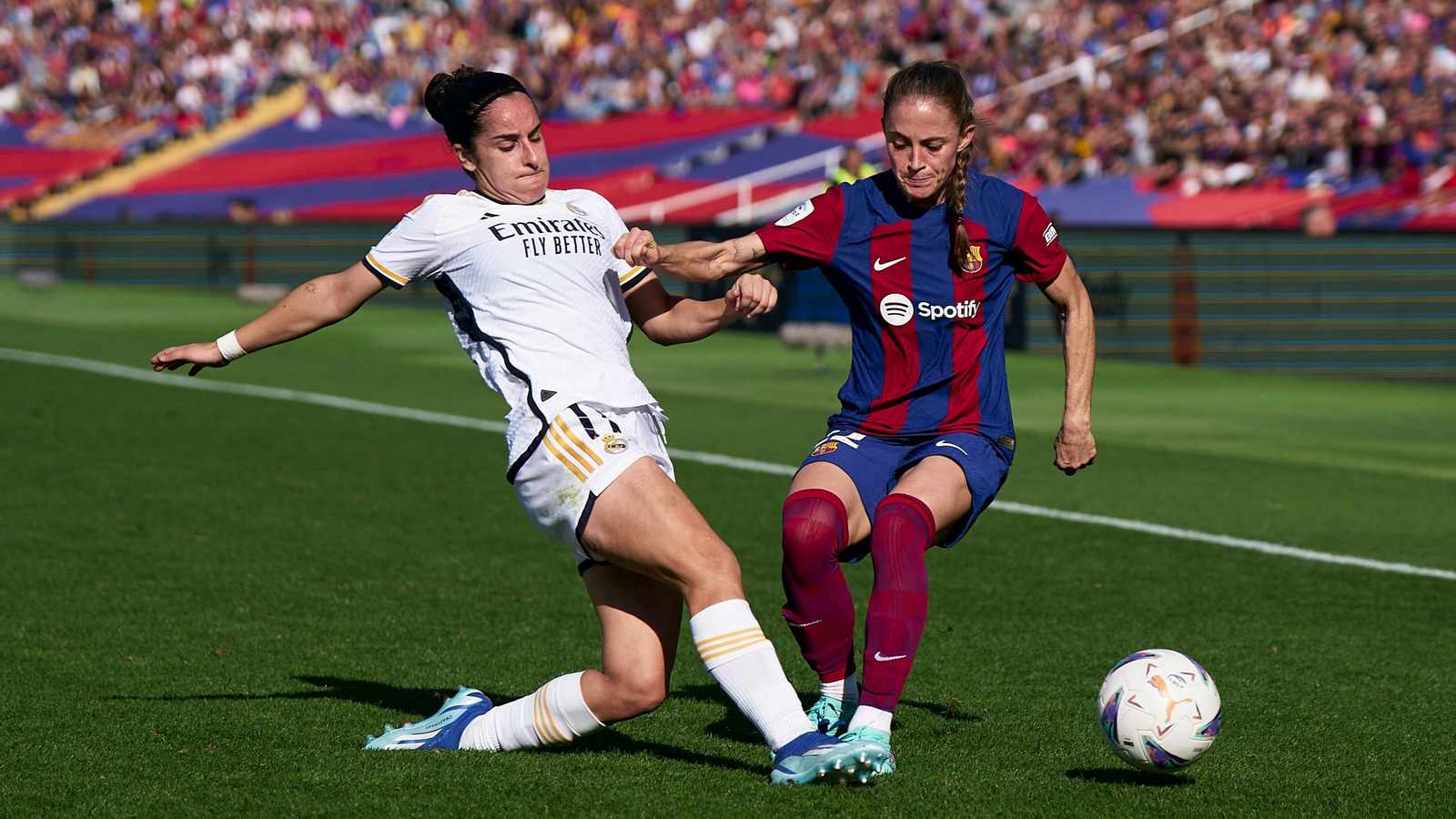
According to the data compiled by ESPN, 49% of surveyed top-tier players are considering early retirement. Among those weighing an early exit, 59% cited financial pressures as the primary driver, while 46% pointed to severe psychological distress. The report underscores a stark disparity between the elite apex of the sport and the everyday reality for the vast majority of female athletes worldwide.
The Gap Between Commercial Boom and Median Earnings
While global mean average monthly club earnings have tripled since 2017 to reach $2,601, the median salary remains considerably lower at $1,669. This discrepancy highlights how concentrated financial growth remains within a small fraction of elite leagues and top-tier clubs, while the broader workforce experiences widespread precarity.
Regional disparities are particularly pronounced. Average monthly pay ranges from $6,450 in North America and $3,982 in central and Western Europe down to $878 in Eastern Europe and just $480 in Africa. In 10 Eastern European countries analyzed in the study, average player pay remains below the national minimum wage. Even in larger markets across Western Europe and Asia/Oceania, average compensation sits only marginally above minimum wage thresholds.
Contractual Insecurity and Institutional Lag
Contractual instability remains a defining feature for many professional competitors. Although average contract lengths have edged upward from roughly one year in 2017 to 19 months, only two-thirds of players are guaranteed compensation for the full 12-month calendar year. Many athletes are tied to short-term agreements spanning seven to nine months, forcing them to seek secondary employment during the off-season.
Furthermore, 24% of respondents reported experiencing late salary payments over the preceding two seasons, while 42% receive no pension contributions from their clubs. Under FIFA definitions, a professional player must have a written contract and earn more than incurred expenses. Yet among top-tier survey participants, only 78% reported having a written contract, and just 57% stated that their club remuneration was sufficient to cover the actual costs of playing.
Mental Health Pressures and Digital Scrutiny
The report highlights a growing mental health crisis within the professional ranks. In total, 57% of respondents reported struggling with their mental health, with half of those individuals receiving no institutional support from their clubs or national governing bodies. Dr. Alex Culvin, head of women’s football at FIFPRO, noted that players face unprecedented visibility in a digitalized landscape, which increases their exposure to online harassment and abuse without providing adequate support systems to manage the psychological toll.
In contrast to the broader financial and mental health challenges, the report identified one notable area of regulatory success: maternity protections. In 2017, nearly half of players considering early retirement cited a desire to start a family. That figure has since dropped to 19%, a shift FIFPRO attributes directly to targeted maternity regulations introduced by FIFA in 2021 and updated subsequently.
The Path Forward and Policy Demands
FIFPRO is urging governing bodies and club managements to implement enforceable minimum employment standards covering pay, facilities, staffing, and health. The union emphasizes that only 30 national women’s leagues analyzed in the report feature collective agreements governing employment conditions. Dr. Culvin stressed that commercial growth and player welfare must advance in tandem, calling for institutional frameworks to protect the workforce driving the sport’s billion-dollar expansion.