


The Gabba Statement: A Tactical Overhaul
In a high-stakes Grand Final rematch that carried significant institutional weight for the AFL’s competitive landscape, the Geelong Cats delivered a resounding message on Thursday night. Defeating the reigning premiers, the Brisbane Lions, 17.15 (117) to 11.10 (76) at the Gabba, Geelong did more than just secure four points; they dismantled the narrative of their own decline. The victory, characterized by a devastating third-quarter blitz, was orchestrated by a breakout performance from Shaun Mannagh, whose transition from a mature-age recruit to a frontline superstar appears complete. This result moves Geelong to a 7-3 record, positioning them as a primary threat in the 2026 premiership race, while Brisbane falls to 6-4, facing questions about their ability to sustain high-intensity pressure under the weight of back-to-back title expectations.
The Mannagh Phenomenon: From ‘Flow State’ to Statistical Dominance
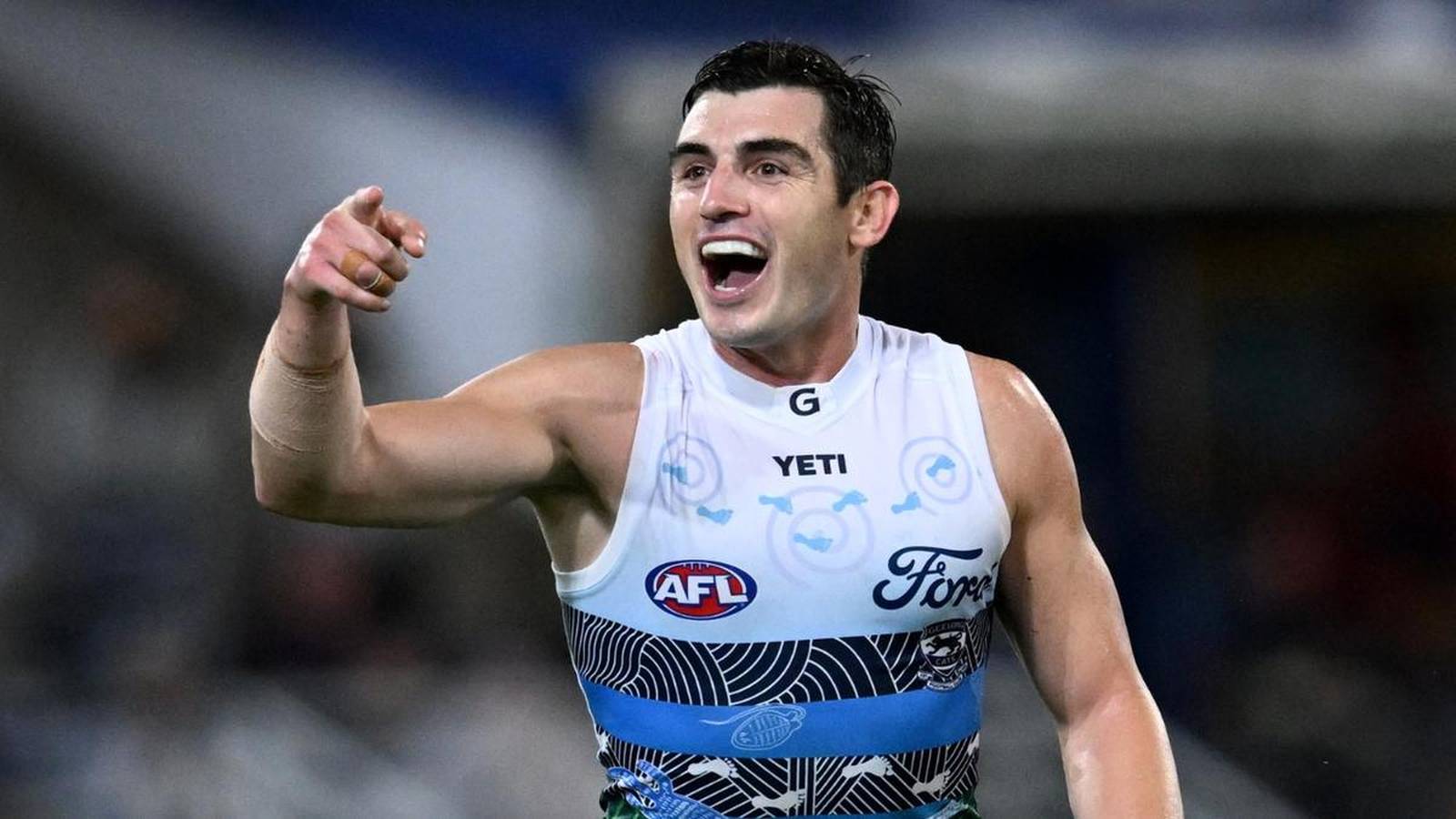
The centerpiece of the evening was undoubtedly Shaun Mannagh. In what statisticians are calling a career-defining outing, Mannagh recorded 30 disposals, three goal assists, and a staggering five goals. His impact was most pronounced during a seven-minute window in the third quarter where he kicked three goals in quick succession, effectively breaking the Lions’ defensive resolve. Speaking to Channel 7 post-match, Mannagh described his performance as being in a “flow state,” a psychological peak where execution becomes instinctive. Interestingly, Mannagh attributed part of his success to a pre-game consultation with Lions legend Jason Akermanis, who provided specific tactical advice regarding the Gabba’s unique dimensions and wind patterns. This highlights the institutional knowledge transfer that continues to shape modern AFL playstyles.
Defensive Disciplines and the Neutralization of Lachie Neale
While Mannagh provided the offensive fireworks, the victory was equally built on a sophisticated defensive blueprint. Geelong coach Chris Scott deployed Oisin Mullin in a specialized tagging role on Brisbane’s dual Brownlow medallist, Lachie Neale. The tactical maneuver was highly effective, significantly limiting Neale’s influence at the stoppages. This defensive focus allowed Geelong to dominate the early clearance count, winning seven of the first eight. Complementing this effort was Bailey Smith, who produced an elite all-round performance with 34 disposals, 11 tackles, and seven clearances. Smith’s ability to bridge the gap between the defensive and forward lines remains a cornerstone of Geelong’s structural integrity. As noted by analyst Kane Cornes, the win was “as good a win in the home-and-away season as you’ll see this year,” particularly given the five-day break and travel requirements involved.
The Cost of Victory: Assessing the Injury Concerns
However, the triumph was not without its administrative and medical concerns for the Geelong football department. The final seconds of the match saw veteran defender Tom Stewart exit the field with a hamstring complaint. Given Stewart’s importance to the Cats’ defensive structure—having just celebrated his 200-game milestone—any extended absence would require a significant recalibration of their backline. Furthermore, Jack Martin was sidelined in the second half with a calf issue, adding to a growing list of soft-tissue injuries that the club must manage during the mid-season grind. The medical staff at Geelong will face a critical week of assessments to determine if these are minor setbacks or long-term structural threats to their campaign.
Institutional Resilience: The Geelong Methodology
The broader takeaway from this encounter is the continued resilience of the Geelong Cats as an institution. Earlier in the season, critics like Luke Hodge suggested the club might have finally “fallen off the cliff.” Instead, the Cats have demonstrated a remarkable ability to integrate new talent like Mannagh while maintaining the standards set by veterans like Patrick Dangerfield. The Lions, conversely, struggled with uncharacteristic sloppiness, exemplified by Hugh McCluggage’s turnovers and a lack of tackling pressure in the third quarter. Brisbane veteran Josh Dunkley admitted that Geelong currently represents the highest level of competition in the league, surpassing Sydney and Melbourne in terms of tactical flexibility and execution under pressure.
Azat TV Assessment: Geelong’s demolition of Brisbane serves as a case study in organizational adaptability. By leveraging mature-age talent and maintaining a rigid tactical discipline, the Cats have successfully navigated a generational transition without the traditional period of failure. The emergence of Mannagh as a top-tier goal-kicking midfielder provides Geelong with a dual-threat capability that few teams can currently neutralize. If they can manage the fitness of Stewart and Martin, Geelong remains the institutional benchmark for the 2026 AFL season.