


The Convergence of Climatic Extremes
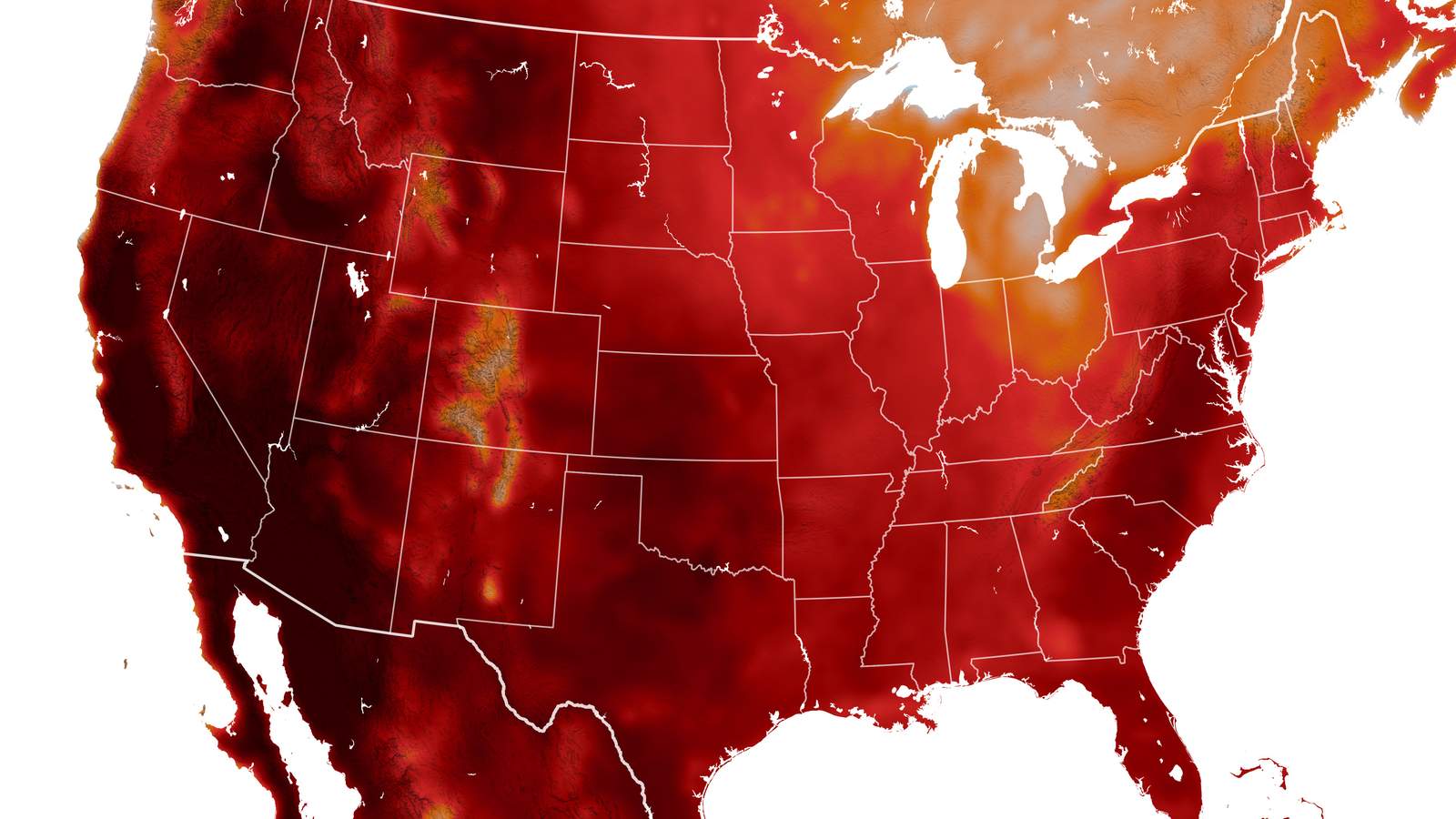
As of May 14, 2026, the United States is facing a complex meteorological phenomenon characterized by the simultaneous intensification of marine heat waves off the California coast and a rapid transition to extreme terrestrial temperatures across the Southwest, the Central Plains, and the Southeast. This dual-pronged heat event represents a significant escalation in regional climate volatility, requiring immediate institutional attention to public health, wildfire prevention, and biodiversity conservation. While the central United States, particularly Oklahoma, is currently navigating a transition from severe convective storms to record-tying heat, the intensifying marine heat wave in the Pacific poses a long-term threat to coastal ecosystems that could have cascading effects on the national economy.
Marine Heat Waves and Coastal Biodiversity
In California, the intensification of marine heat waves has moved beyond a secondary concern to a primary ecological crisis. These underwater heat events, characterized by sea surface temperatures significantly above the historical average, disrupt the delicate balance of coastal upwelling. This process is vital for bringing nutrient-rich, cold water to the surface, which supports the foundation of the marine food web. The primary stake in this current event is the survival of seabird populations. Previous instances of marine heat have led to mass mortality events among species such as the common murre and Cassin’s auklet due to the depletion of forage fish. According to recent ecological assessments, the persistence of these elevated water temperatures threatens to permanently alter the biodiversity of the Pacific coast, impacting both commercial fisheries and regional conservation efforts.
The Transition from Storms to Scorching Heat in the Plains
In the Central United States, the weather pattern is shifting from high-velocity atmospheric instability to stagnant, high-pressure heat. In Oklahoma, the National Weather Service (NWS) has reported a marginal risk of severe weather, including large hail and tornadoes, through May 15, 2026. However, the immediate aftermath of these storms is a projected heat wave that will see temperatures in Oklahoma City reaching 93 degrees Fahrenheit—tying records set in 2022. This rapid transition from humidity-driven storms to dry, intense heat places an immense strain on the regional power grid and agricultural sectors. The ‘flash’ nature of this heat wave, following closely on the heels of severe storms, complicates emergency management efforts as local authorities must pivot from flood and wind damage response to heat-related public health initiatives.
Terrestrial Threats: Wildfires and Public Health
The terrestrial heat wave is not limited to the Plains. In the Carolinas, a temporary cool-down is being replaced by a sustained period of 90-degree weather starting this weekend. This shift is accompanied by a significant drop in relative humidity, expected to dip into the 25–30% range. Such conditions, combined with breezy winds, create a high-risk environment for wildfire ignition. In the Southwest, particularly Arizona and Southern California, the combination of existing drought conditions and this new heat surge has elevated fire weather warnings to critical levels. Public health officials are particularly concerned about ‘unacclimatized’ populations—communities that are not yet prepared for mid-summer temperatures in early May. The institutional challenge lies in the multi-regional nature of this event, stretching federal resources across various disaster response categories.
Institutional Policy and Long-term Implications
The current situation underscores the necessity for a more integrated approach to climate policy. Traditional disaster response frameworks often treat marine and terrestrial events as isolated incidents. However, the 2026 May heat event demonstrates that these systems are interconnected. The warming of the Pacific influences atmospheric pressure patterns that can stall heat domes over the continent. Policy analysts suggest that future legislative efforts must prioritize ‘climate resilience infrastructure,’ which includes cooling centers, modernized electrical grids capable of handling surge demand, and enhanced monitoring of marine ecosystems to provide early warnings for biodiversity collapses. The economic stakes are high, as the intersection of heat, fire, and ecological decline threatens everything from real estate values in the Southwest to the commercial viability of Atlantic and Pacific fisheries.
The synchronization of marine and terrestrial heat waves in May 2026 serves as a stark indicator of accelerated climate instability. The immediate threat to public health and the long-term risk to biodiversity require an institutional pivot toward proactive, multi-sectoral environmental management. Without a coordinated federal and regional response, the socio-economic costs of these recurring extremes will likely exceed the capacity of current mitigation frameworks.