
Quick Read
- Eight children, aged one to 14, were killed in a domestic violence-related shooting.
- The perpetrator was fatally shot by police following a vehicle pursuit into Bossier City.
- The crime scene spanned three separate residences, prompting a major investigation by Louisiana State Police.
A Community in Mourning Amidst Unprecedented Violence
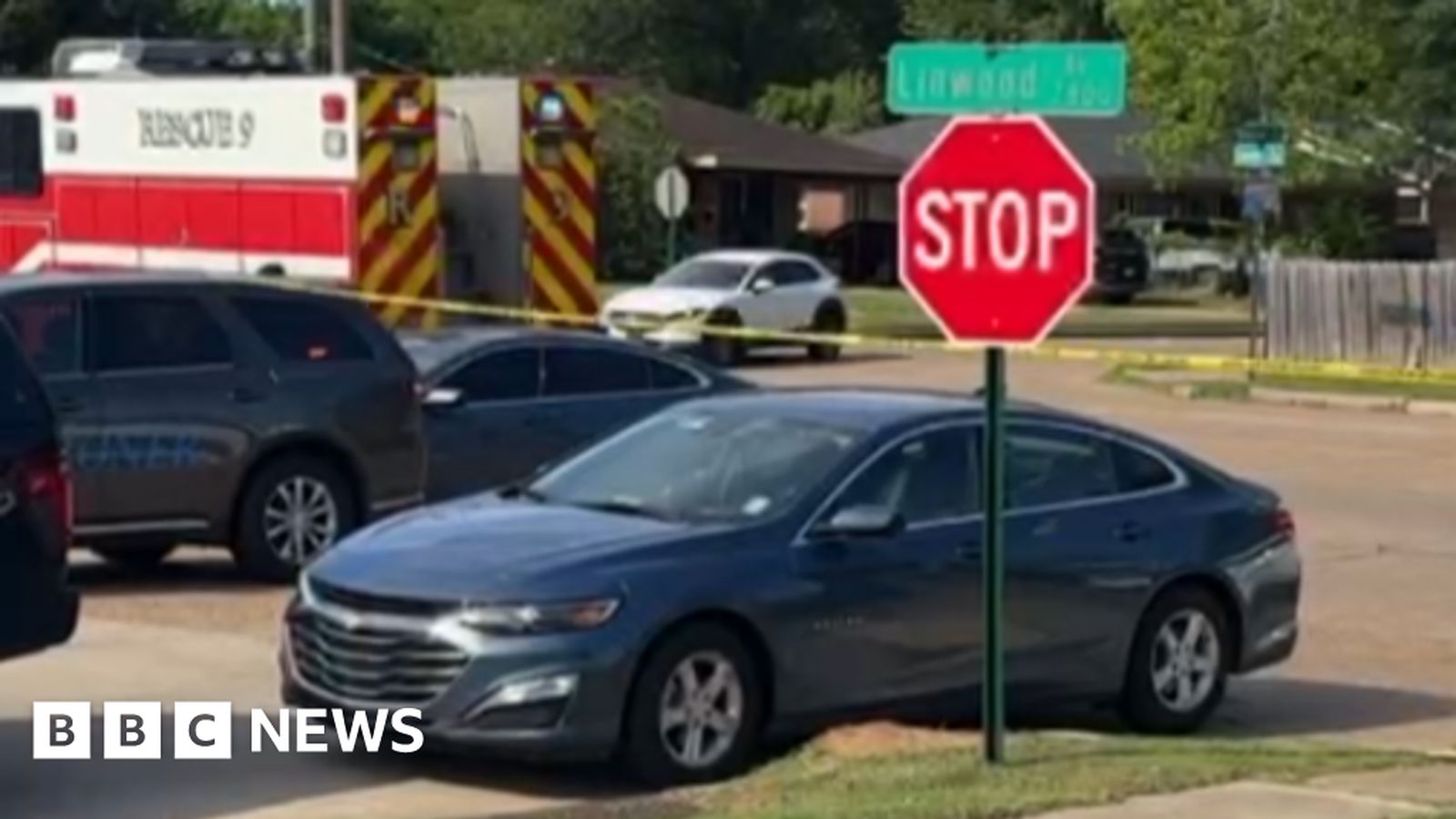
The city of Shreveport, Louisiana, is reeling following a devastating mass shooting on the morning of April 19, 2026, that claimed the lives of eight children. The tragedy, which unfolded across three separate residential locations, has been identified by local authorities as an act of domestic violence. The suspect, whose identity has not been released, was killed by police following a vehicle pursuit that concluded in neighboring Bossier City.
Shreveport Police Corporal Chris Bordelon confirmed the harrowing scale of the incident, noting that the victims ranged in age from one to 14 years old. Some of the victims were direct descendants of the perpetrator. While two additional individuals were struck by gunfire, their current medical status remains under investigation. The complexity of the crime scene, spanning multiple properties, has necessitated a collaborative investigation led by the Louisiana State Police.
The Systemic Failure of Domestic Protection
This incident serves as a grim inflection point in the ongoing discourse surrounding domestic security in the United States. When domestic disputes escalate to mass-casualty events, it highlights a profound failure in institutional early-warning systems. Liberal democratic governance rests on the state’s fundamental obligation to protect its most vulnerable citizens—in this case, children—from predictable, preventable violence. The transition from private domestic conflict to public tragedy often signals a breakdown in the intersection between mental health intervention, protective orders, and law enforcement oversight.
While political rhetoric often focuses on the mechanics of gun control, the Shreveport tragedy demands a broader examination of the social infrastructure intended to identify at-risk households before violence becomes lethal. Effective prevention requires more than just reactive policing; it necessitates robust, well-funded support systems that can intervene when domestic dynamics turn volatile. The reliance on reactive measures after the fact leaves a permanent scar on the community, as evidenced by Mayor Tom Arceneaux’s call for collective mourning.
Reframing the Crisis of Domestic Safety
The loss of eight young lives is not merely a local crime; it is a profound indictment of current domestic protection frameworks that fail to safeguard families from internal threats. Accountability in such cases extends beyond the individual perpetrator to the public institutions tasked with monitoring and mitigating domestic risks. As the investigation continues, the focus must shift toward how legal and social services failed to intercept this escalation.
True democratic progress is measured by the safety of the household. Until policymakers prioritize comprehensive, proactive domestic violence prevention—integrating mental health resources with stringent legal enforcement—the cycle of violence will continue to shatter communities. Protecting the right to life within the home remains the most vital, yet often overlooked, pillar of a secure and free society.