


A Shift in Payment Infrastructure
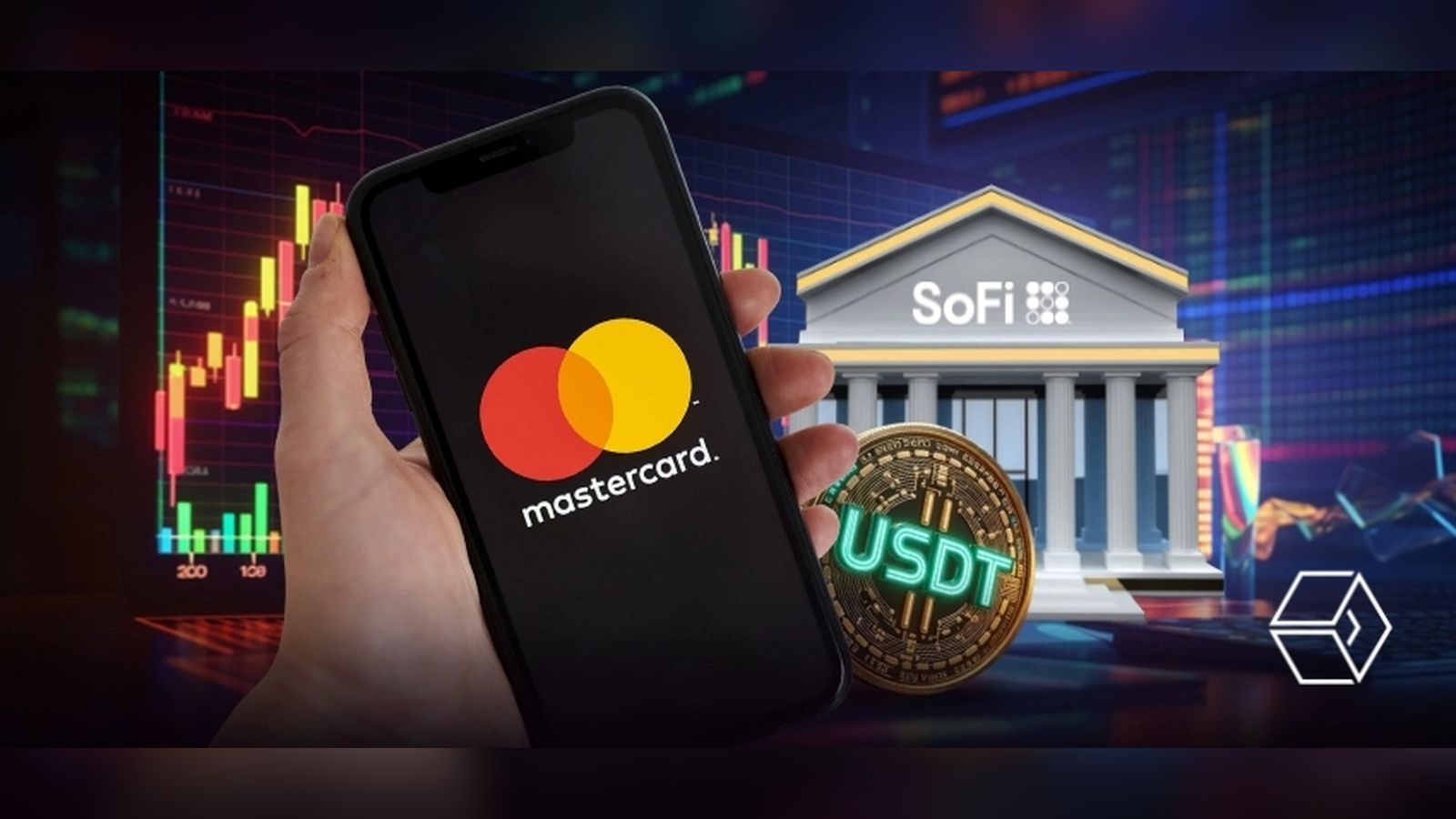
SoFi Technologies, Inc. and Mastercard have announced that stablecoin settlement is now live across SoFi Bank, N.A.’s debit and credit card programs. This development marks the first instance of a nationally chartered bank utilizing a proprietary stablecoin—SoFiUSD—to settle transactions directly on the Mastercard global payments network, according to a company announcement on September 22, 2026.
The underlying reporting is available from investors.sofi.com.
The program involves migrating SoFi’s entire $25 billion annualized card volume to blockchain-based settlement. By utilizing SoFiUSD, the bank aims to bridge traditional financial architecture with distributed ledger technology, enabling faster access to funds for merchants while maintaining the regulatory safeguards associated with a national banking charter.
Operational Impact for Merchants
A primary objective of this integration is to improve liquidity management without requiring merchants to alter their existing operations. Anthony Noto, CEO of SoFi, noted that merchants do not need to hold stablecoins or invest in new infrastructure to participate. Through SoFi’s Big Business Banking platform, merchants can receive settlement funds instantly into a SoFi Bank account, with the ability to withdraw to cash at any time and without additional costs.
Mastercard, which has been working to integrate stablecoin settlement across its global ecosystem, views this launch as a transition from experimental pilot programs to live production. Sherri Haymond, Global Head of Digital Commercialization at Mastercard, stated that the partnership provides businesses with more choice in money movement while preserving the scale and trust associated with the Mastercard brand.
Regulatory and Financial Context
SoFiUSD is issued by SoFi Bank, N.A., which is regulated by the Office of the Comptroller of the Currency (OCC). The stablecoin is designed to be fully redeemable 1:1 for U.S. dollars and is backed primarily by cash reserves. SoFi has clarified that while the current launch focuses on its own card programs, the company is in active discussions with large multinational retailers and technology platforms regarding broader stablecoin-based settlement arrangements.
The company also signaled potential expansion into other use cases, including cross-border remittances and alternative money movement applications on the Mastercard network. However, SoFi maintains that SoFiUSD is not a deposit, is not FDIC-insured, and is not legal tender, emphasizing the distinct risk profile of digital assets compared to traditional bank deposits.