


Ongoing Investigations in KwaZulu-Natal and Pretoria
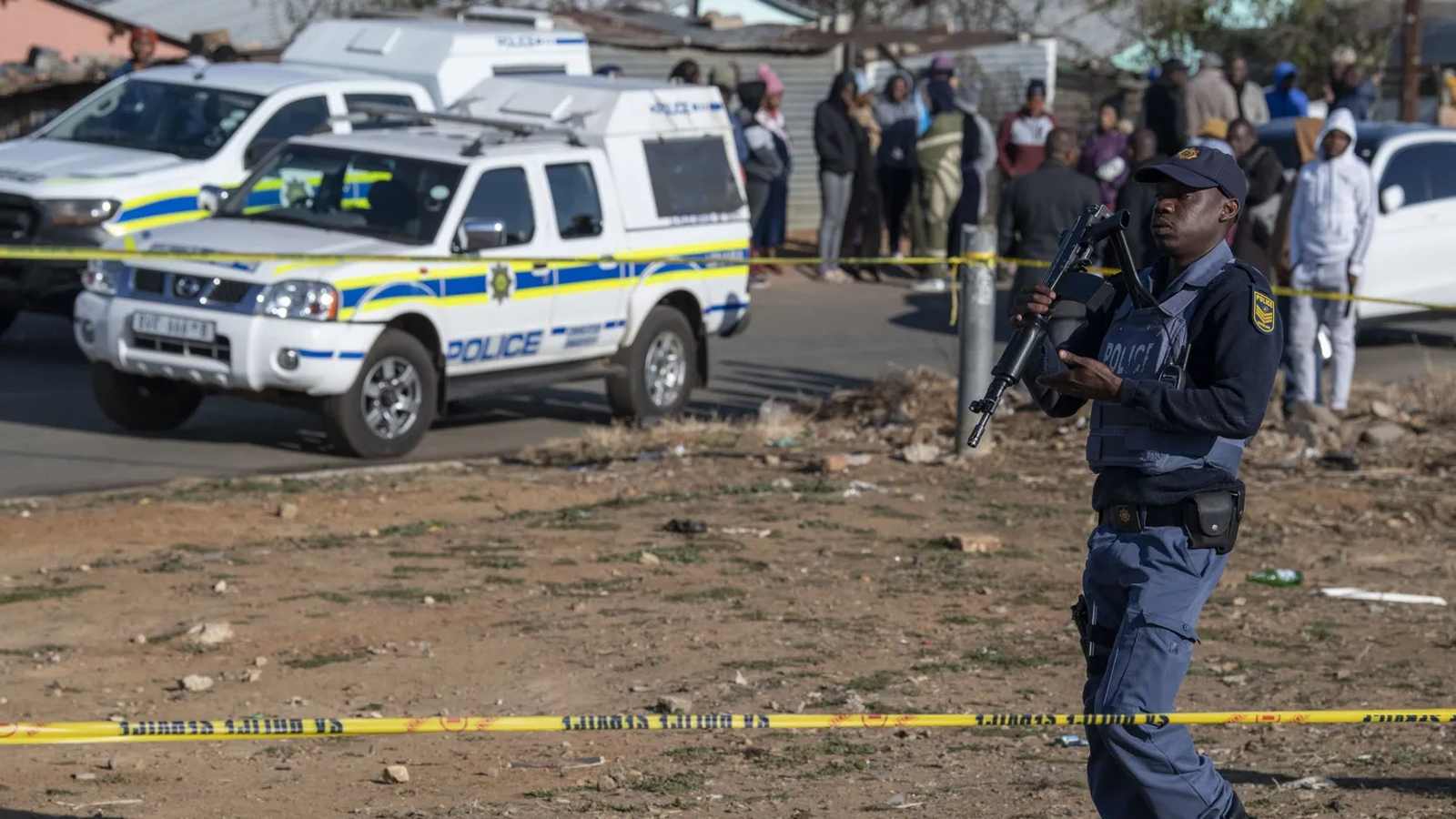
South African law enforcement agencies have launched intensive, multi-jurisdictional investigations following two separate mass shootings that occurred on Sunday night, resulting in the deaths of 17 individuals, as reported by BBC. While the events took place in different regions—the KwaZulu-Natal province and the capital region of Pretoria—authorities have confirmed that the incidents are currently being treated as unrelated. Both scenes are now the subject of high-level police activity, with specialized units deployed to conduct manhunts for the perpetrators.
In the first incident, police responded to reports of gunfire near the town of Pietermaritzburg in KwaZulu-Natal. Upon arriving at the scene, officers discovered a white seven-seater minibus that had been riddled with bullet holes. The interior of the vehicle contained the bodies of eight men, all of whom had sustained multiple fatal gunshot wounds. Police spokesperson Colonel Robert Netshiunda stated that the victims have not yet been identified. Investigators are currently processing forensic evidence at the scene to determine the precise sequence of events, identify potential motives, and locate the individuals responsible for the attack.
Hours later, a second mass shooting occurred in the Jeffsville informal settlement in Atteridgeville, located west of Pretoria. Police discovered the bodies of nine victims—six men and three women—inside a four-room shack. According to authorities, the victims are believed to have been killed between 22:00 and 23:00 on Sunday. Brigadier Brenda Muridili, a police spokesperson, confirmed that the provincial commissioner of police in Gauteng has mobilized specialized resources to the area, including crime intelligence units and the deputy provincial commissioner’s tracking team, to pursue the suspects. Several spent cartridges were discovered outside the shack.
Persistent Violence and Institutional Response
These killings highlight the ongoing, systemic challenge of violent crime in South Africa, a nation that continues to grapple with some of the highest murder rates in the world. The prevalence of illegal firearms remains a critical, recurring factor in the frequency and lethality of such mass violence. While official statistics recorded 5,427 murders between April and June 2026—representing a 6% decline compared to the same period in 2025—the persistence of high-casualty events continues to strain law enforcement capabilities.
The violence, frequently linked to complex criminal networks including gang turf wars, drug trafficking, and illegal mining, has prompted significant government concern. In February 2026, President Cyril Ramaphosa characterized organized crime as the most immediate threat to the nation’s democracy and economic development. In response to these persistent security threats, the South African government previously deployed military personnel to support police operations in five provinces, including Gauteng, to bolster efforts to contain armed violence. Despite these deployments, the capacity of criminal groups to execute mass casualty attacks in residential and semi-rural areas remains a significant obstacle for the South African Police Service (SAPS).
The scale of recent mass shootings underscores the severity of the situation. In September 2026, 28 people were killed in two separate incidents, including a shooting at a bar near Johannesburg that left 18 people dead and 14 others injured. Another attack near Cape Town the following day resulted in 10 deaths. As police work to process the crime scenes in Pietermaritzburg and Atteridgeville, the focus remains on gathering intelligence to link suspects to these specific events. In Atteridgeville, the suddenness of the attack was highlighted by reports from community members who initially mistook the sound of gunfire for thunder.
Motives and Future Security Implications
Authorities have stated that it is too early to speculate on the specific motives behind the latest shootings, as investigations are still in their infancy. Colonel Netshiunda noted that previous mass killings in the region have been attributed to a variety of causes, ranging from stock theft and drug-related disputes to violent competition over minibus taxi routes. The lack of an immediate suspect profile has necessitated a broader investigative approach, involving the analysis of ballistic evidence and the collection of testimonies from local residents.
The recurring nature of these shootings raises questions regarding the effectiveness of the current security strategy. With an average of approximately 60 killings per day nationwide, the police are under pressure to prevent further incidents while simultaneously managing the fallout from high-profile massacres. The government’s reliance on military-police cooperation in high-risk zones is an attempt to stabilize areas prone to organized violence, but the decentralized nature of these criminal groups often allows them to adapt their tactics. As the manhunt continues in Gauteng and KwaZulu-Natal, the public and political scrutiny on the SAPS will likely intensify.