


Strategic Expansion into AI Infrastructure
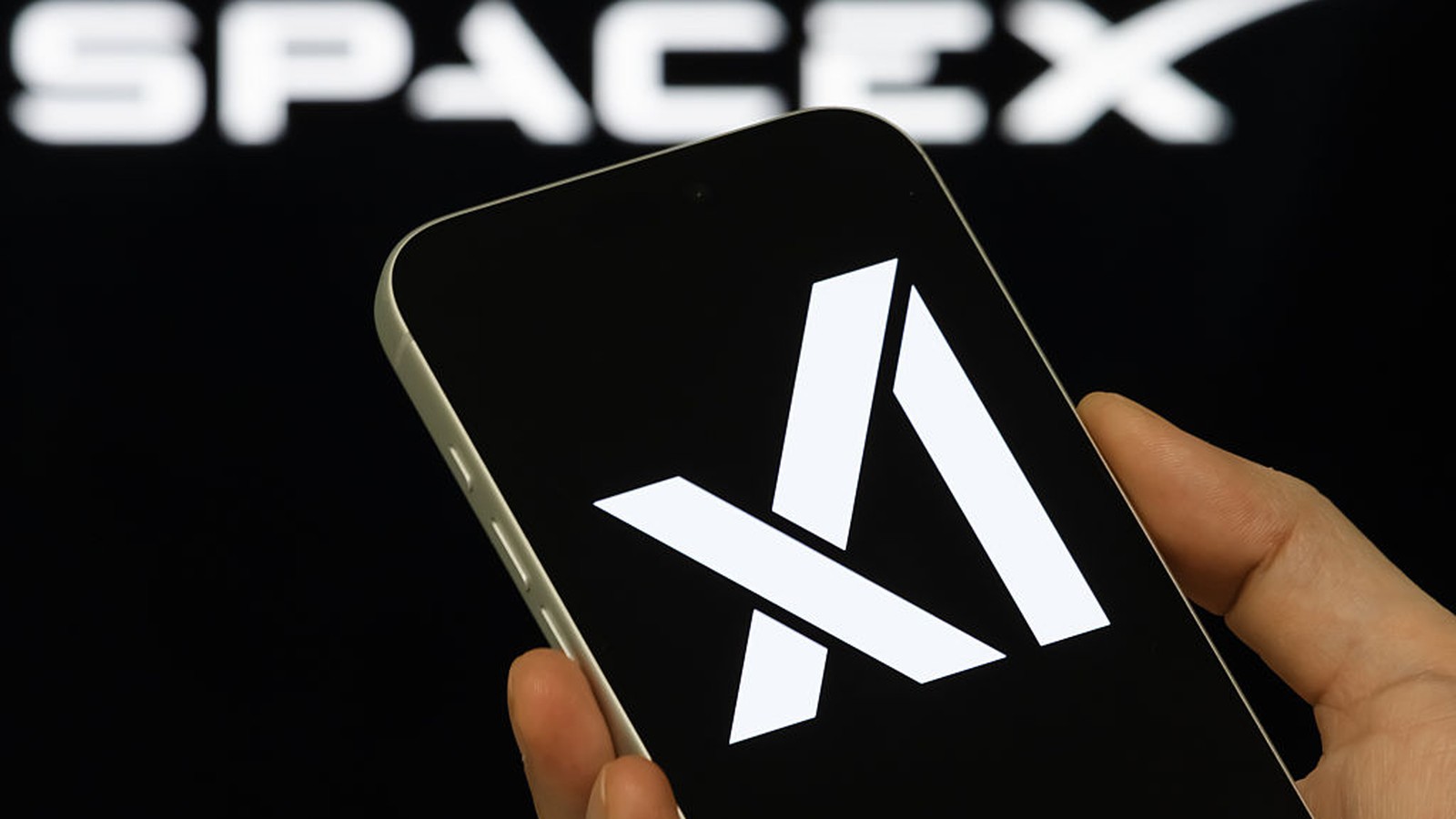
SpaceX has officially entered into a multi-billion dollar agreement with Reflection AI, an open-source artificial intelligence laboratory. The deal, valued at up to $6.3 billion, marks a significant shift in SpaceX’s strategy to secure dedicated computing resources as it competes in the rapidly evolving enterprise AI market.
The partnership comes at a time of heightened regulatory scrutiny within the AI sector. Recent actions by the U.S. government regarding export controls and national security concerns—most notably impacting Anthropic’s Fable 5 and Mythos 5 models—have forced tech leaders to re-evaluate their reliance on centralized cloud providers and proprietary model ecosystems.
Market Context and Competition
The deal with Reflection AI follows SpaceX’s broader aggressive push into the AI space, including the recent acquisition of coding agent developer Anysphere for $60 billion. By integrating Reflection AI’s open-source capabilities, SpaceX aims to bolster its internal modeling power, specifically for its proprietary AI tool, Grok.
Analysts suggest that while SpaceX maintains existing cloud leasing agreements with companies like Anthropic and Google—worth a combined $26 billion annually—the deal with Reflection AI provides a critical hedge against potential supply-chain disruptions. The inclusion of 90-day termination clauses in its other cloud leases highlights the volatility of the current regulatory environment, where shifts in administration policy can abruptly impact access to advanced cybersecurity and AI tools.
The Role of Open-Source AI
Reflection AI’s status as an open-source lab makes this deal particularly noteworthy. As the industry grapples with the “black box” nature of proprietary models, open-source alternatives are gaining traction among enterprise clients who prioritize transparency and control. SpaceX’s investment signals a long-term commitment to developing a more modular and potentially less restricted AI architecture.