
Quick Read
- Spain has officially closed its airspace to any aircraft participating in the U.S.-led military operations against Iran.
- The government has denied the U.S. use of strategic bases at Rota and Morón, forcing the relocation of 15 refueling tankers to France and Germany.
- President Donald Trump has threatened to cut trade with Madrid in response to the denial of base access.
MADRID (Azat TV) – The Spanish government has officially closed its national airspace to any aircraft participating in the ongoing U.S.-led military operations against Iran. This move represents a sharp escalation in diplomatic friction between Madrid and Washington, as Prime Minister Pedro Sánchez doubles down on his administration’s refusal to support what he characterizes as an illegal war.
Expanding Restrictions on U.S. Military Operations
The prohibition extends beyond mere overflights. According to military sources cited by El País, Spain has denied the United States the use of its strategic naval and air facilities at Rota and Morón de la Frontera for any missions related to the current conflict. The policy explicitly targets fighter jets, in-flight refueling tankers, and any U.S. aircraft stationed in third countries that are directly contributing to the campaign. Prime Minister Sánchez confirmed the stance in Congress last week, stating that all flight plans associated with the operation have been rejected, with the sole exception of emergency humanitarian or safety landings.
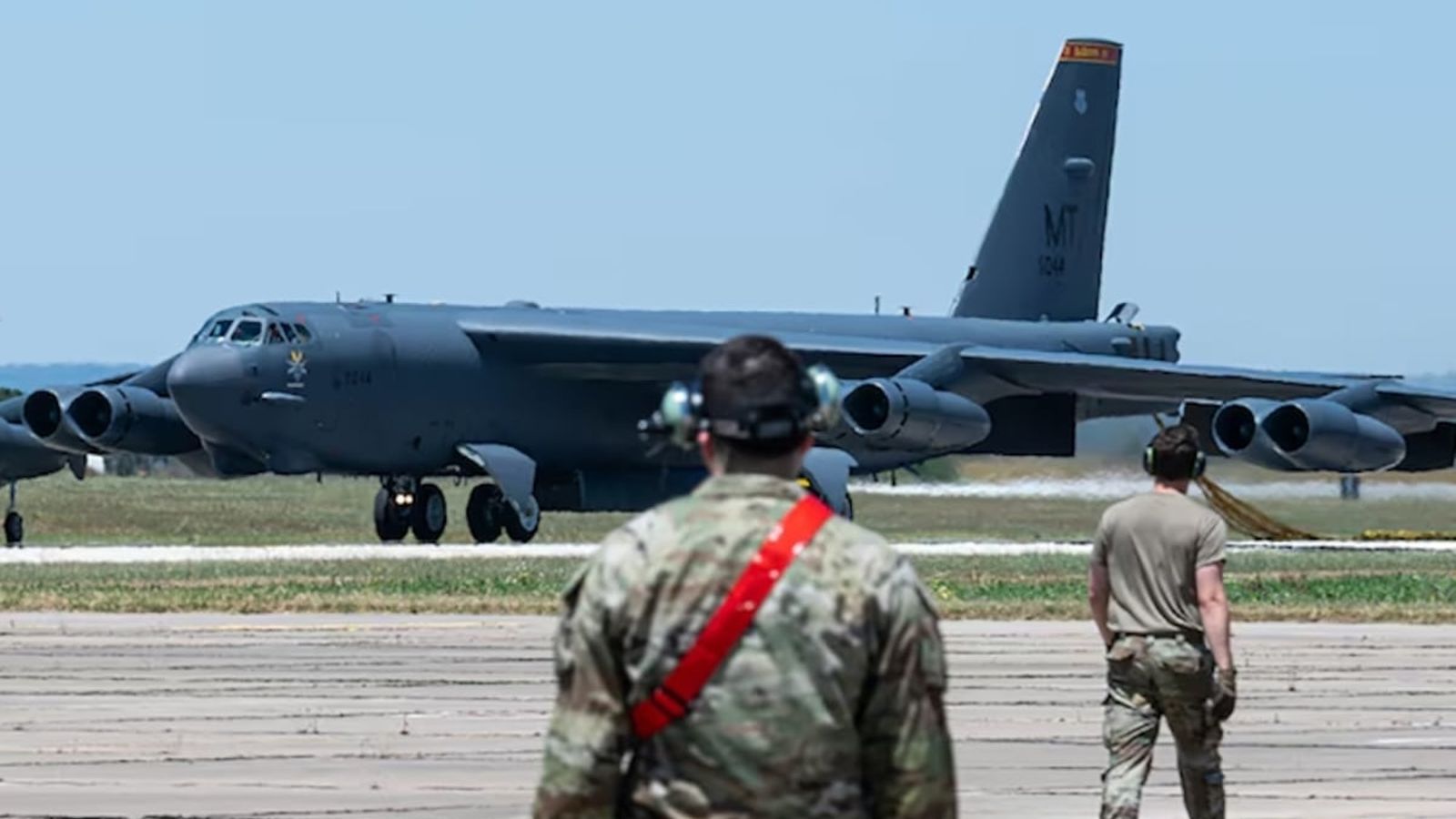
The impact of this decision was felt immediately at the start of the conflict. In late February, fifteen U.S. KC-135 Stratotanker aircraft were forced to relocate from Spanish bases to facilities in France and Germany after the government in Madrid refused to authorize their involvement in the strikes on Iran. This relocation has complicated logistics for U.S. bombers, which now face longer transit times and more complex refueling requirements while operating out of Fairford Air Base in the United Kingdom.
The Limits of Neutrality and NATO Commitments
Despite the ban on war-related missions, Spain maintains that it remains committed to its broader NATO and EU defense obligations. Defense Minister Margarita Robles emphasized that while the government rejects the war against Iran as “profoundly illegal and profoundly unjust,” logistical support for the 80,000 U.S. troops currently deployed in Europe continues as normal under existing bilateral agreements. Furthermore, Spanish naval vessels and radar systems remain engaged in defensive operations, including the protection of Turkey and other allies against missile threats.
The tension has drawn sharp warnings from the White House. President Donald Trump has reportedly threatened to curtail trade with Spain as a consequence of the refusal to host or support the strike force. This friction comes at a time when transatlantic relations are already strained by Spain’s vocal opposition to the conflict, which has been described by government officials as an attempt to maintain a delicate balance between international law and strategic alliances.
Geopolitical Stakes and Regional Implications
The decision to restrict airspace access forces the U.S. military to navigate a more difficult operational environment. Without the Rota and Morón bases, bombers are required to bypass the Iberian Peninsula or utilize alternative routes through French territory, increasing fuel consumption and reducing the volume of munitions that can be carried on each sortie. As the conflict enters a phase where energy infrastructure and civilian targets have become potential points of contention, the diplomatic distance between Madrid and its NATO partners appears to be widening.
The Spanish government’s refusal to facilitate the U.S.-led campaign against Iran suggests a hardening of European autonomy in the face of U.S. military pressure, signaling that domestic legal interpretations of conflict are now actively overriding traditional military partnership protocols within the NATO framework.