


Diplomatic Signals Amid Stalled Conflict
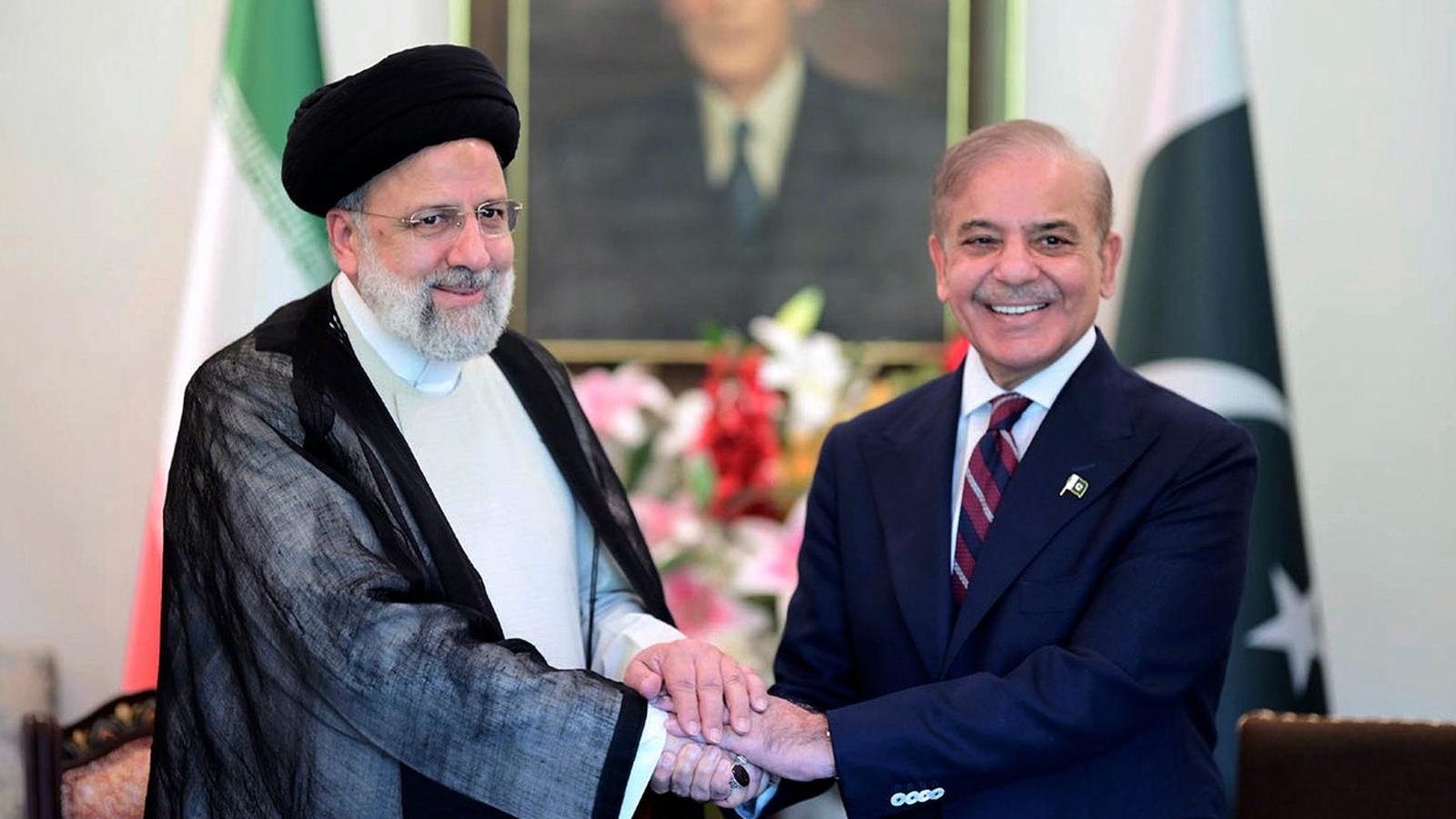
Diplomatic efforts to resolve the ongoing U.S.-Iran conflict appear to be gaining momentum, with Pakistan’s Defense Minister Khawaja Asif stating on Tuesday that the two nations are close to reaching “some sort of an arrangement.” Speaking to Bloomberg in Islamabad, Asif noted that signals over the past several days suggest a shift back toward a potential peace deal. Pakistan, alongside Oman and Qatar, has been actively mediating between Washington and Tehran throughout the conflict.
The optimism from Islamabad contrasts with the reality on the ground, where the U.S. remains committed to a blockade of Iranian ports aimed at forcing Tehran to reopen the Strait of Hormuz and end its nuclear program. President Donald Trump, speaking on Monday, emphasized that the U.S. maintains control over the strategic waterway and signaled that any compensation Iran seeks for war damage would be met with similar demands from the United States. This “tit-for-tat” rhetoric reflects a administration strategy centered on leveraging Iran’s economic distress to force concessions.
Consolidation of Iranian Military Command
In Tehran, the new Supreme Leader, Mojtaba Khamenei, has initiated a sweeping restructuring of the country’s military and security establishments. On Monday, Khamenei ordered the merger of the Central Khatam al-Anbiya Headquarters and the General Staff of the Armed Forces. This move is designed to integrate the Army and the Islamic Revolutionary Guard Corps (IRGC) more tightly, reducing the distance between strategic planning and battlefield execution.
Key appointments include Mohsen Rezaei as secretary of the Supreme National Security Council and Ahmad Vahidi as commander-in-chief of the IRGC. Analysts suggest these moves signal a transition from a succession phase to one of consolidation, placing experienced security figures in key positions to manage both active confrontation and future negotiations.
Escalation in the Red Sea
Violence continues to spill over into regional corridors, most notably with a deadly Houthi attack on a commercial vessel near the Bab el-Mandeb Strait. Yemen’s government transport ministry reported that at least four crew members were killed when the cargo ship Tihamah was struck by multiple ballistic missiles. A follow-up strike reportedly hit rescue workers, marking a significant escalation in the conflict. These attacks, coupled with the Houthi blockade on Saudi shipping, raise concerns that the ongoing regional war could expand, potentially reigniting Yemen’s civil war despite the 2022 truce.
Meanwhile, U.S. Central Command continues to enforce its blockade of Iranian ports, reporting the disabling of three non-compliant vessels and the redirection of 55 others in recent days. The U.S. military confirmed an MH-60 helicopter strike on the Panama-flagged Vela Nova, which allegedly ignored warnings while attempting to bypass the blockade.