


Quick Read
- US military strikes targeted Iran’s Fordow and Isfahan nuclear sites in June 2025.
- Initial intelligence reports challenge claims that the sites were ‘destroyed.’
- Trump officials and leaked satellite images provide conflicting accounts.
- The strikes aimed to halt Iran’s nuclear ambitions but may have limited impact.
- Analysts suggest a fragile Middle East ceasefire could be at risk.
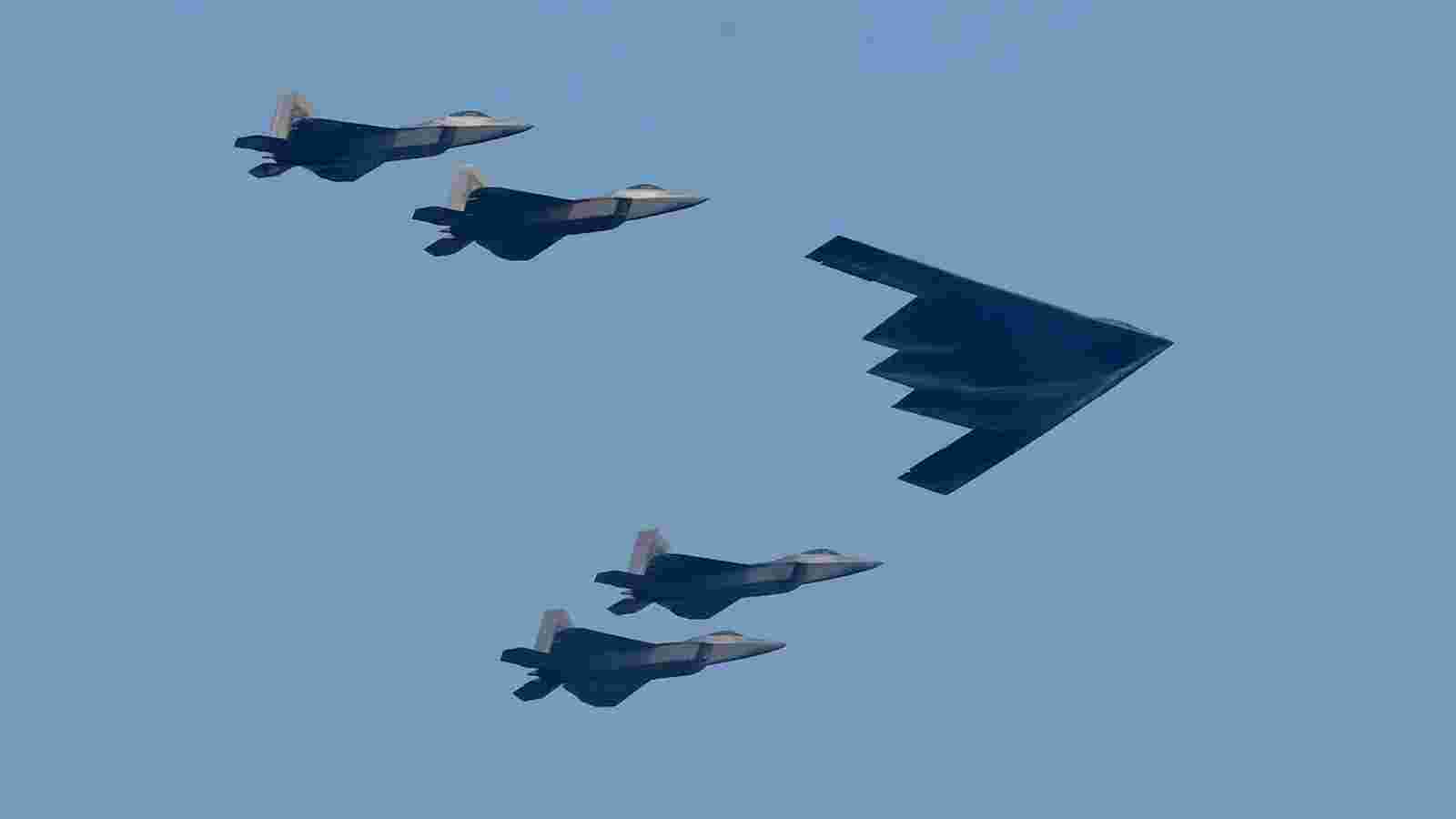
The night sky above Iran’s Fordow nuclear facility glowed briefly, punctured by the seismic force of US bunker-buster bombs. It was late June 2025, and President Trump declared victory, stating Iran’s nuclear program had been ‘obliterated.’ But the dust hadn’t even settled before early US intelligence reports began to paint a murkier picture.
Strikes on Iran: The Official Line
Fordow and Isfahan, Iran’s key nuclear sites, were at the heart of the operation. According to US Middle East envoy Steve Witkoff, Fordow was subjected to 12 bunker-buster bombs, with Isfahan’s conversion facility also ‘completely destroyed.’ Witkoff’s remarks on Fox News dismissed claims of limited damage as ‘preposterous.’ He insisted the strikes had rendered Fordow inoperable and dismantled Iran’s ability to weaponize uranium.
Trump echoed this narrative during a NATO summit in The Hague, basking in what he framed as a resounding success. Yet, his words were undermined by the emerging intelligence assessments.
Satellite Images and Skepticism
Satellite imagery analyzed by intelligence experts, first reported by BBC, tells a more nuanced story. While the photos reveal clusters of fresh craters at Fordow, analysts suggest the strikes may have only set Iran’s nuclear program back by a matter of months. The implications are troubling: a tactical show of force, but one with strategic limitations.
The Isfahan site, though reportedly struck, appears to retain enough infrastructure to restart operations. “This isn’t the knockout blow the administration wanted,” a US defense analyst told NPR.
The Fallout: Political and Regional
Iran’s response has been measured but defiant. Tehran, through state media, dismissed claims of significant setbacks, while maintaining its right to self-defense. The strikes come at a precarious time; a fragile ceasefire brokered earlier in June between Israel and Iran remains intact but strained.
In Washington, the leaks have reignited debates about the risks of military escalation. Witkoff described the intelligence leaks as ‘treasonous,’ warning of potential harm to US credibility and operations. Yet, the credibility gap also looms large domestically, with experts questioning whether the administration overstated its achievements.
A Region on Edge
For ordinary Iranians, the strikes have only deepened a sense of uncertainty. In a country already grappling with economic isolation and social unrest, the specter of renewed conflict looms large. Meanwhile, in Israel, news of the strikes has been met with muted relief, coupled with concerns about retaliation.
In the broader geopolitical chessboard, allies like NATO now face the challenge of balancing support for US actions with calls for de-escalation. As BBC notes, the strikes underscore the volatility of the Middle East and the precarious role of international alliances.
When the dust clears, what remains is the inescapable truth of modern conflict: even the most sophisticated bombs cannot erase uncertainty.