


Legal Battle Over Universal Pre-K
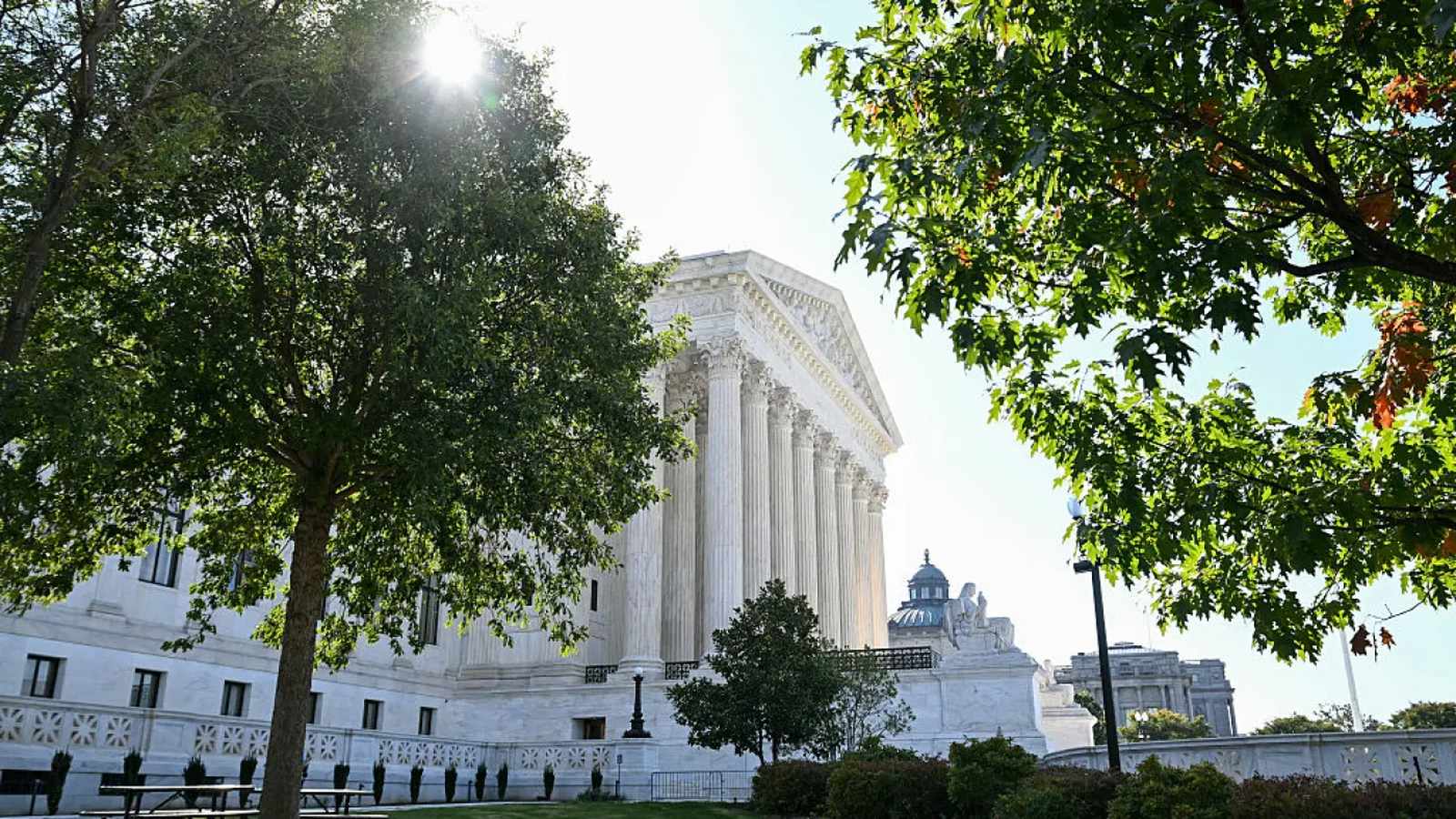
On November 3, 2026, the U.S. Supreme Court is scheduled to hear oral arguments in St. Mary Catholic Parish v. Roy, a landmark case concerning the intersection of religious liberty and state-funded education, as reported by NPR. The litigation centers on Colorado’s universal preschool program, which provides approximately $6,300 in annual per-child funding—derived from state tobacco taxes—to help ensure access for all 4-year-olds. The core of the dispute is whether religious institutions participating in this public program must adhere to state anti-discrimination laws that protect families based on sexual orientation and gender identity, or if they are entitled to exemptions under the First Amendment’s Free Exercise Clause.
The Colorado program, enacted under the leadership of then-state Senate President Steve Fenberg, was designed to be inclusive, allowing religious schools to participate provided they comply with state statutes barring discrimination. However, the Archdiocese of Denver and two associated parishes, represented by the Becket Fund for Religious Liberty, argue that the mandate forces them to violate their religious tenets. Mark Rienzi, CEO of the Becket Fund, maintains that the state is unconstitutionally excluding religious schools that require families to align with Catholic teachings. The Archdiocese contends that the requirement to admit children of LGBTQ parents contradicts their moral mission, with Archbishop James R. Golka characterizing the state’s policy as an attack on Catholic education that contributes to a culture of moral relativism.
Shifting Constitutional Standards
The case underscores a dramatic shift in the Supreme Court’s interpretation of the First Amendment over the past decade. Historically, the Court emphasized the separation of church and state, a doctrine solidified in the 1940s. Legal experts, such as Michigan State University professor Frank Ravitch, note that the current conservative majority has pivoted toward an expansive interpretation of the Free Exercise Clause. While the 1983 decision in Bob Jones University v. United States upheld the government’s right to deny tax-exempt status to institutions practicing racial discrimination, current legal scholars like Douglas Laycock of the University of Texas at Austin suggest that the Court may weigh religious rights differently when race is not the primary factor.
The outcome of this case could have profound implications for the future of taxpayer-funded religious education. While some Catholic educators, such as Tim Uhl, argue that religious schools can effectively serve diverse populations without compromising their mission, the Court’s decision will determine how far the state can go in attaching nondiscrimination conditions to public funding. With Justice Amy Coney Barrett participating in this session, the full bench is prepared to address whether the government may be required to fund religious institutions even when those institutions operate under policies that conflict with state civil rights protections.