


Supreme Court’s Emergency Action Keeps Texas Map Alive—For Now
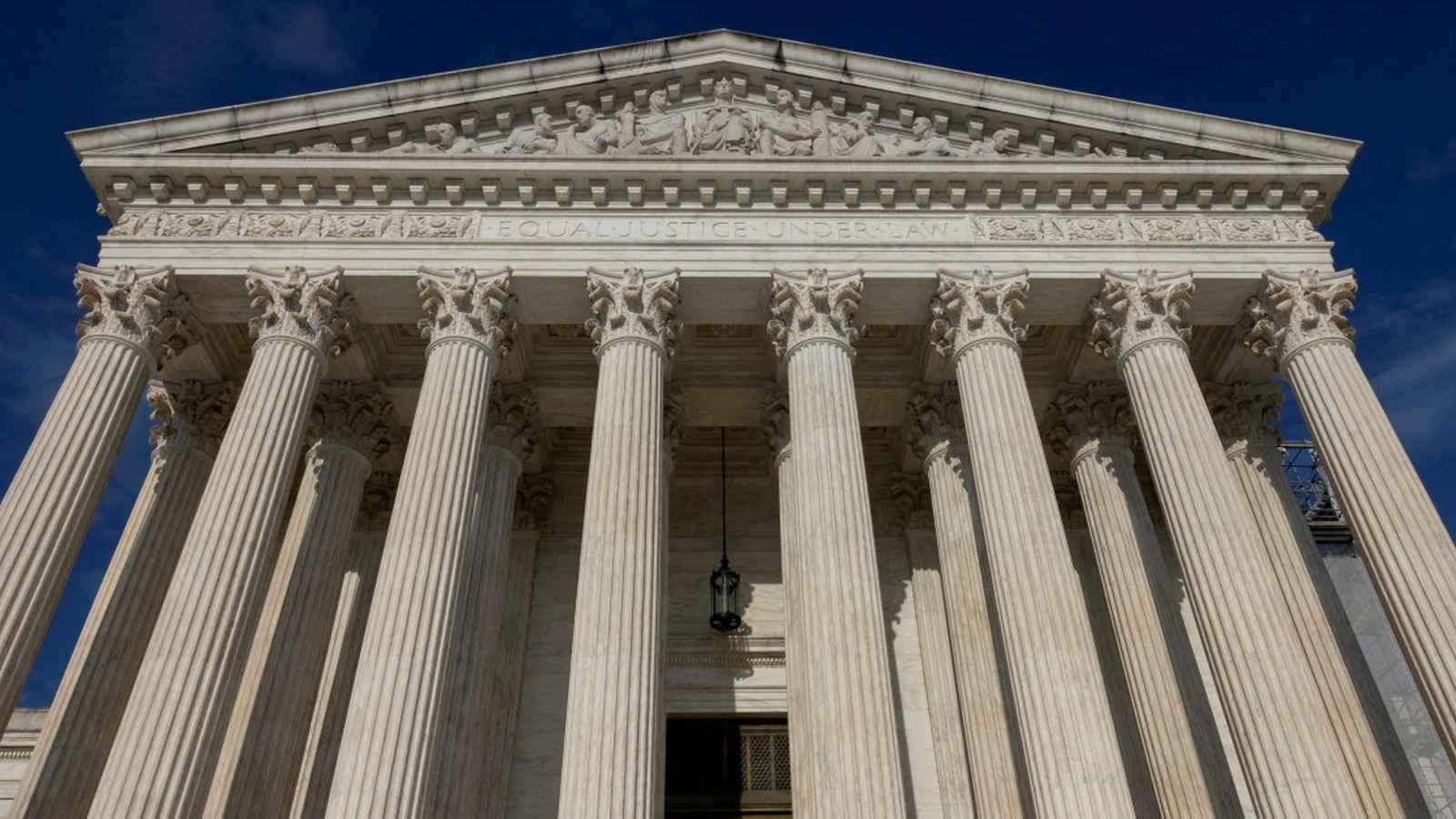
On a chilly Friday evening in November 2025, the fate of Texas’s congressional districts was thrown into sharp relief—not by the legislature or the governor, but by a single Supreme Court justice. Justice Samuel Alito, acting in his role as the circuit justice for Texas, issued an administrative stay that put a controversial lower court ruling on ice. With that, Texas was cleared—at least temporarily—to use its new congressional map for the upcoming 2026 primary elections.
The story behind this high-stakes decision traces back to a summer letter that set political circles ablaze. Harmeet Dhillon, a senior attorney in the Justice Department’s civil rights division, had warned Texas officials that their newly drawn congressional map was unconstitutional. That letter, intended as a caution, became a central piece of evidence in the federal court’s decision to block the map—an outcome that threatened to derail the Republican Party’s strategy for the midterms.
The Redistricting War: Texas at the Epicenter
Texas’s new map, enacted in late August at the request of President Trump, was designed to tilt the playing field. It gave Republicans a significant edge in three previously Democratic-held districts and improved their prospects in two more. The move was anything but subtle: it triggered a nationwide redistricting battle, as states scrambled to redraw boundaries in hopes of gaining an electoral advantage. California, among five other states, quickly followed suit, launching what some have called a modern-day map war.
The stakes are enormous. According to The Cook Political Report, the net effect of these changes across six states could mean a Republican gain of one to three seats in 2026. But that projection is far from settled. If other states join the fray, or if courts disallow any of these new maps, the political calculus could shift dramatically. With the midterms still a year away, uncertainty reigns.
Legal Showdown: The Supreme Court’s Rapid Response
When the lower court blocked Texas’s map—citing Dhillon’s letter as pivotal evidence—the Republican strategy seemed to be unraveling. The Trump administration, which had banked on redistricting to shore up a fragile House majority, suddenly found itself fighting to protect gains rather than extend them. The White House quickly pivoted, pressuring GOP-led states like Indiana and Florida to adopt more favorable maps, hoping to offset potential losses and prevent a Democratic takeover that could imperil the president’s agenda.
But late Friday, Justice Alito’s intervention offered a reprieve. By administratively staying the lower court’s order, Alito restored the contested map—at least for the time being. He requested that the civil rights groups challenging the map respond to Texas’s attorney general by Monday, signaling the Supreme Court’s intention to address the matter swiftly. Texas’s lawyers have asked for a longer-term stay by December 1, just days before the December 8 filing deadline for the March 3 primary. The clock is ticking, and all eyes are now on the nation’s highest court.
Political Fallout and the Bigger Picture
This legal drama is not unfolding in isolation. The House remains finely balanced, with Republicans holding a narrow 219-213 majority and three seats vacant due to resignations and retirements. The outcome of the Texas map dispute could sway not only local races but the broader struggle for control of Congress.
The stakes are personal for many in Texas. Five Republican incumbents have announced they won’t seek reelection in 2026, part of a wave of retirements and resignations reshaping the national political landscape. Meanwhile, special elections in other states—like New Jersey and Tennessee—are drawing new faces into the fray and adding further unpredictability to the House lineup.
For the Trump administration, the Texas map is more than lines on a page; it’s a cornerstone in a nationwide effort to build a firewall against Democratic advances. The administration’s push for aggressive redistricting in Republican-led states is a calculated gamble. But as the Dhillon letter shows, legal missteps can have far-reaching consequences, turning a strategy meant to secure power into a liability.
Why This Matters: Democracy, Representation, and the Rule of Law
At its heart, the battle over Texas’s congressional map is about more than partisan advantage. It’s a test of the principles that underpin American democracy: fair representation, the rule of law, and the delicate balance between state and federal authority. Civil rights groups argue that the new map dilutes minority voting power and violates constitutional protections. Texas officials counter that the map reflects legitimate political realities and should be allowed to stand.
As the Supreme Court prepares to weigh in, the nation watches—aware that the outcome could set precedents for redistricting battles across the country. The decision will shape not only who gets elected, but how Americans’ voices are reflected in the halls of power.
For now, the administrative stay means Texas can move forward with preparations for its 2026 primary using the contested map. But the legal and political battles are far from over. The next weeks will bring arguments, responses, and likely a full Supreme Court ruling that could redefine the electoral landscape for years to come.
Justice Alito’s emergency stay has bought Texas—and the GOP—time, but it has also spotlighted the fragile foundation of partisan redistricting in 2025. The unfolding Supreme Court review will test the boundaries of state power and federal oversight, with consequences that extend well beyond Texas’s borders. The lesson here: in the high-stakes game of American elections, every legal move matters—and sometimes, one letter can change the course of history.