


Paris Under Red Alert Amidst Historic Heat
Paris and the Île-de-France region remain under a red heatwave alert as of July 14, 2026. Météo-France has confirmed that the extreme heat, which has seen temperatures climb toward 38°C, is expected to persist through the Bastille Day holiday. The prolonged nature of this event, where nighttime temperatures fail to drop below 22°C, has raised concerns about cumulative fatigue and health risks for the general population.
The environmental impact is significant. In Seine-et-Marne, a massive forest fire near the A6 highway has scorched approximately 800 hectares of the Fontainebleau forest. Authorities have described this as an unprecedented blaze for the region, requiring the deployment of water-bombing aircraft from the south of France. Major institutions, including the Louvre and the Jardin des Plantes, have adjusted operating hours or closed entirely to ensure public safety.
Taiwan Braces for Typhoon Bavi
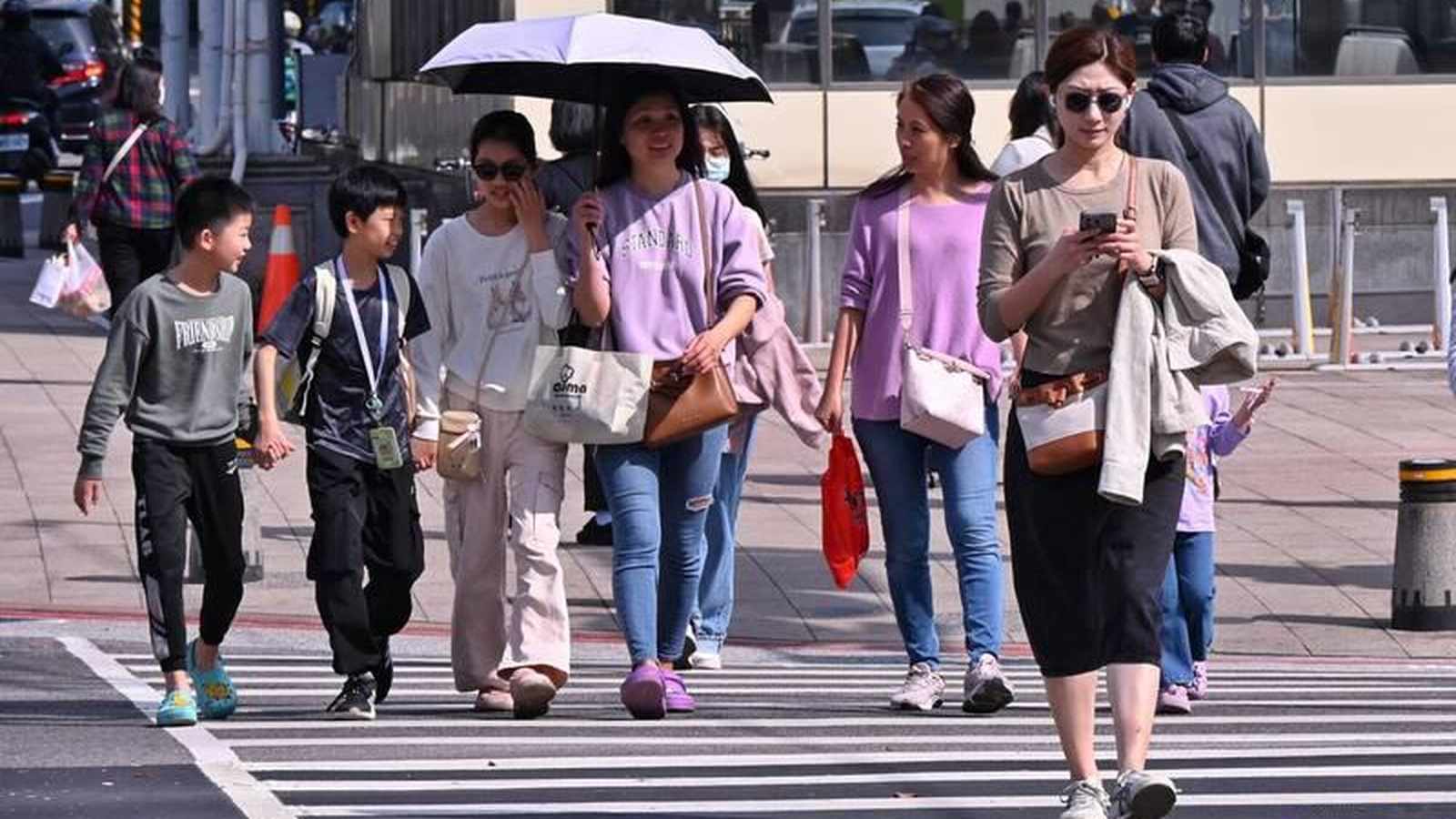
Across the globe, Taiwan is managing a dual threat of extreme heat and a powerful storm. The Central Weather Administration (CWA) issued heat advisories for several southern cities and counties, with temperatures expected to exceed 36°C. Simultaneously, the island is on high alert for Typhoon Bavi. Forecasters describe Bavi as a rare, large-scale storm, with a 380km radius, prompting the military to place 29,000 troops on disaster-prevention standby.
U.S. Northeast Faces Humidity and Heat
In the United States, the News10NBC First Alert Weather team and the National Weather Service (NWS) have issued a Yellow Alert for the Rochester area. The combination of high humidity and temperatures reaching into the mid-90s (°F) is expected to push heat index values to 100°F. Experts emphasize that such conditions inhibit the body’s natural cooling process, significantly increasing the risk of heat-related illnesses.
Analysis: The Escalating Cost of Extreme Weather
The simultaneous occurrence of these events underscores a mounting institutional challenge. Whether it is the closure of cultural landmarks in Paris or the mobilization of thousands of troops in Taiwan, the economic and logistical costs of managing climate-related volatility are rising. These events are no longer isolated anomalies but are becoming systemic risks that require robust, long-term policy adaptation. Infrastructure, from cooling centers in urban environments to disaster-resilient drainage systems in storm-prone regions, is being tested beyond previous design parameters. The ability of governments to pivot from reactive emergency management to proactive resilience will likely define the political and economic landscape of the coming decade.