


The Ruling and Legal Reasoning
In a 5-4 decision on Monday, the U.S. Supreme Court affirmed that states retain the authority to determine their own deadlines for receiving mail-in ballots. Justice Amy Coney Barrett, writing for the majority, clarified that while federal law dictates when ballots must be cast, state law governs the receipt of those ballots. The decision effectively preserves the ability of 14 states and four territories to maintain grace periods for ballots arriving after Election Day.
Justice Barrett’s opinion relied on the Uniformed and Overseas Citizens Absentee Voting Act, noting that federal statutes frequently refer to state-set receipt deadlines, which would be redundant if a uniform federal deadline existed. The ruling was joined by Chief Justice John Roberts and the court’s three liberal justices.
In a sharp dissent, Justice Samuel Alito argued that the “election-day statutes” demand that the authoritative choice of voters be made on a single day, asserting that the majority opinion disregards two centuries of American election practice.
The Ohio Precedent and Fallout
The ruling has created an immediate political backlash in Ohio. Late last year, Governor Mike DeWine signed Senate Bill 293, which eliminated the state’s four-day grace period for absentee ballots. The legislation was passed preemptively by Republican lawmakers who feared a potential Supreme Court ruling that would have invalidated such extensions nationwide.
Because Ohio acted before the court’s decision, the state’s current ban on post-Election Day arrivals remains in effect for the upcoming November midterms. According to an analysis by the Ohio Capital Journal, nearly 7,800 absentee ballots arrived during the grace period in the 2024 election, highlighting the potential impact on thousands of voters. Jen Miller, Executive Director of the League of Women Voters of Ohio, criticized the legislature for “complying in advance” with a ruling that ultimately did not align with their restrictive measures.
Political Reactions
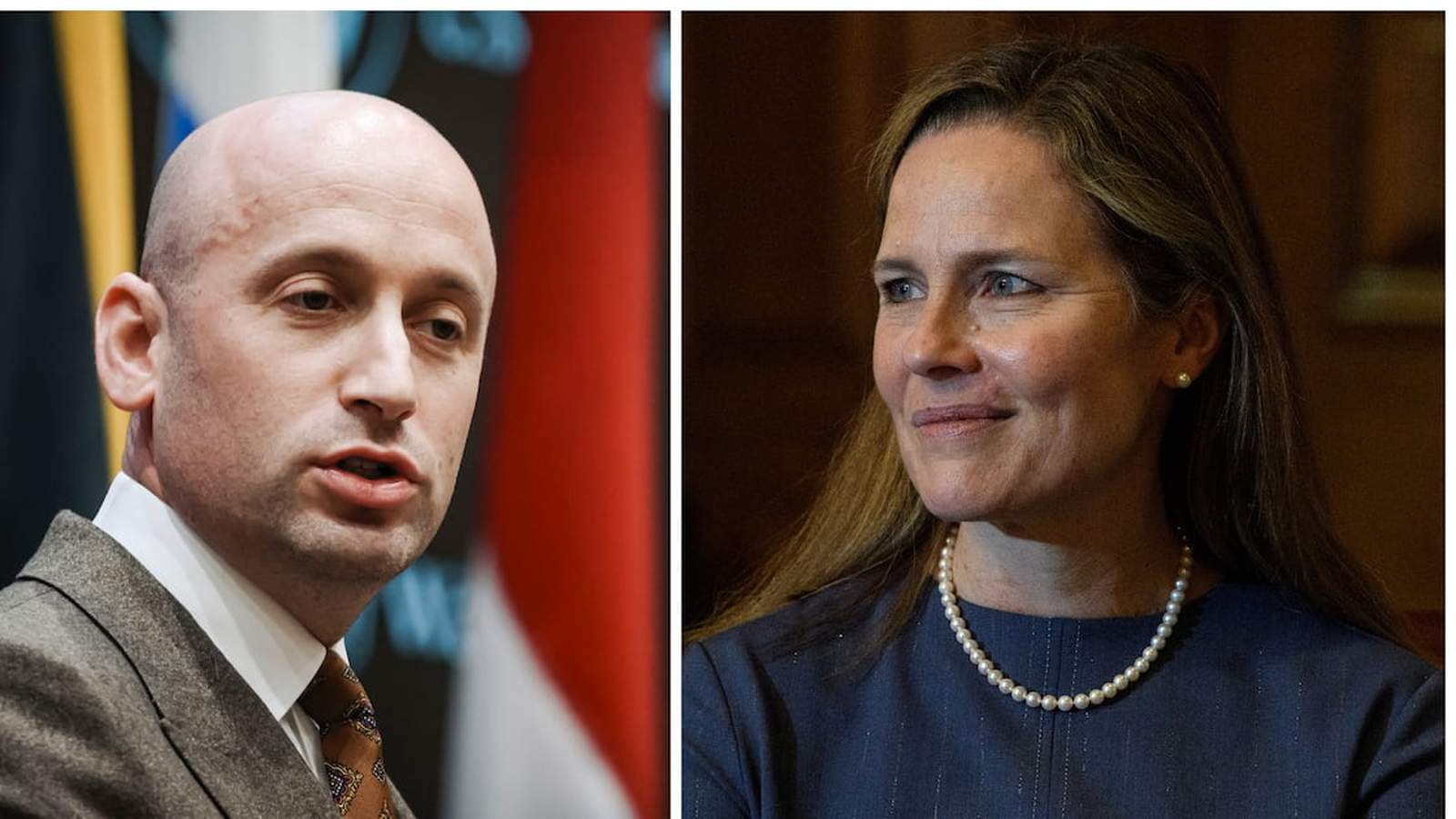
The decision has triggered intense reactions from the Trump administration and its allies. Former Trump advisor Stephen Miller publicly attacked Justice Barrett, leading some supporters to label her a “traitor.” The ruling is part of a broader legal and rhetorical campaign by the Trump administration against mail-in voting, which they continue to characterize as a vehicle for fraud, despite a lack of evidence.
The ruling provides a degree of stability for election officials across the country, sparing them from having to alter administrative protocols just months before the 2026 midterm elections. However, the internal division within the conservative bloc of the court and the aggressive reaction from party hardliners suggest that the debate over the mechanics of American democracy will remain a central point of contention through the election cycle.