


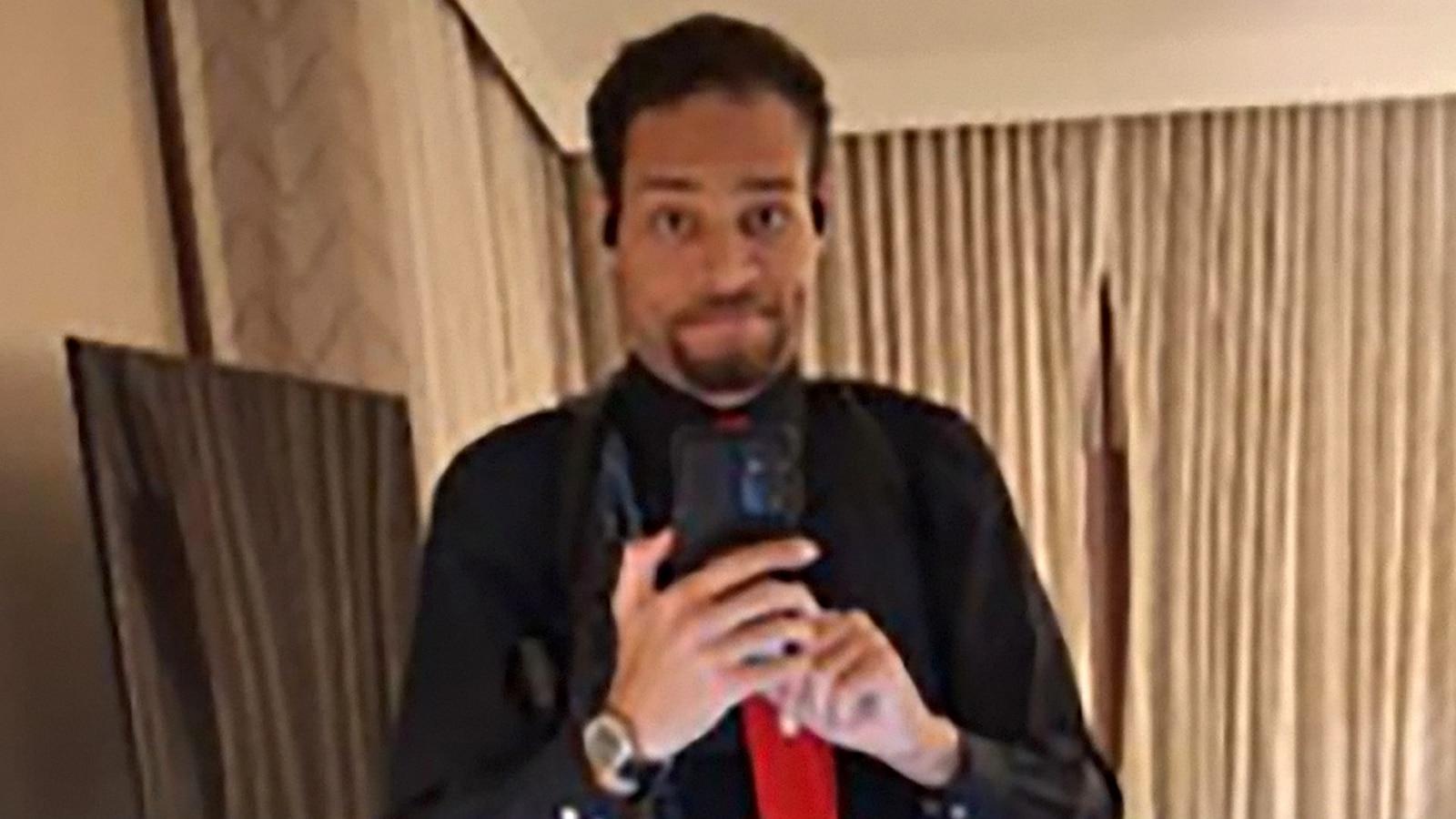
Superseding Indictment Unsealed
Federal prosecutors in the District of Columbia have expanded the case against the man accused of opening fire at a security checkpoint during the White House Correspondents’ Association dinner on April 25, 2026. Cole Tomas Allen, 31, of Torrance, California, now faces an additional charge of committing an act of terrorism while armed, according to a newly unsealed five-count superseding indictment in U.S. District Court. This development marks a significant escalation in the legal proceedings against Allen, who was already facing four federal charges related to the attempted assassination of President Donald J. Trump.
U.S. Attorney for the District of Columbia Jeanine Ferris Pirro confirmed the updated indictment, which ties the terrorism charge directly to the alleged attempt on the President’s life. While Allen has previously entered not guilty pleas to the initial charges, he has not yet entered a plea regarding the new terrorism count. If convicted on all charges, Allen faces a potential maximum sentence of life in prison, according to FOX 5 DC.
The Incident at the Washington Hilton
The shooting occurred shortly after 8:30 p.m. on April 25, 2026, at the Washington Hilton. According to court documents, Allen breached a U.S. Secret Service security checkpoint on the hotel’s Terrace Level, running through a metal detector toward the ballroom where the dinner was taking place. Prosecutors allege that as he moved, Allen fired a Mossberg Maverick 88 12-gauge pump-action shotgun, striking a Secret Service officer in the chest. The officer returned fire, discharging his service weapon five times before Allen was subdued and arrested by law enforcement.
President Trump was present at the event at the time of the incident but was not injured and was immediately moved to a secure location by his security detail. Officials reported that Allen suffered only a minor knee injury during the engagement and was not struck by gunfire. In May, U.S. Attorney Pirro stated that there was “no doubt” Allen’s weapon caused the injury to the Secret Service agent, a finding supported by the grand jury’s assessment of probable cause, as reported by ABC News.
Evidence and Legal Stakes
The investigation, led by the FBI’s Washington Field Office and the National Security Section of the U.S. Attorney’s Office, has uncovered extensive evidence of premeditation. According to an FBI affidavit, Allen had reserved a room at the Washington Hilton on April 6, weeks prior to the event. Upon his arrest, authorities recovered a significant arsenal from Allen, including the Mossberg shotgun, a Rock Island Armory 1911 .38-caliber pistol, dozens of rounds of ammunition, two knives, four daggers, and various tools including wire cutters and needle-nose pliers.
The previous charges against Allen include the attempted assassination of the President, assault on a federal officer with a deadly weapon, transportation of a firearm and ammunition across state lines with intent to commit a felony, and discharging a firearm during a crime of violence. By adding the terrorism charge under D.C. law, the prosecution aims to categorize the attack as a deliberate act of political violence. Court filings suggest that Allen had explicitly identified administration officials as his intended targets, providing the basis for the government’s current legal strategy.
The case remains in the pretrial phase, with the next steps involving arraignment on the superseding indictment. Prosecutors continue to build their case around the timeline of planning and the physical evidence seized at the scene. The legal threshold for the terrorism charge requires proving the act was intended to intimidate or coerce the government, a legal standard that will be central to the trial proceedings as the defense prepares its response to the expanded indictment.