


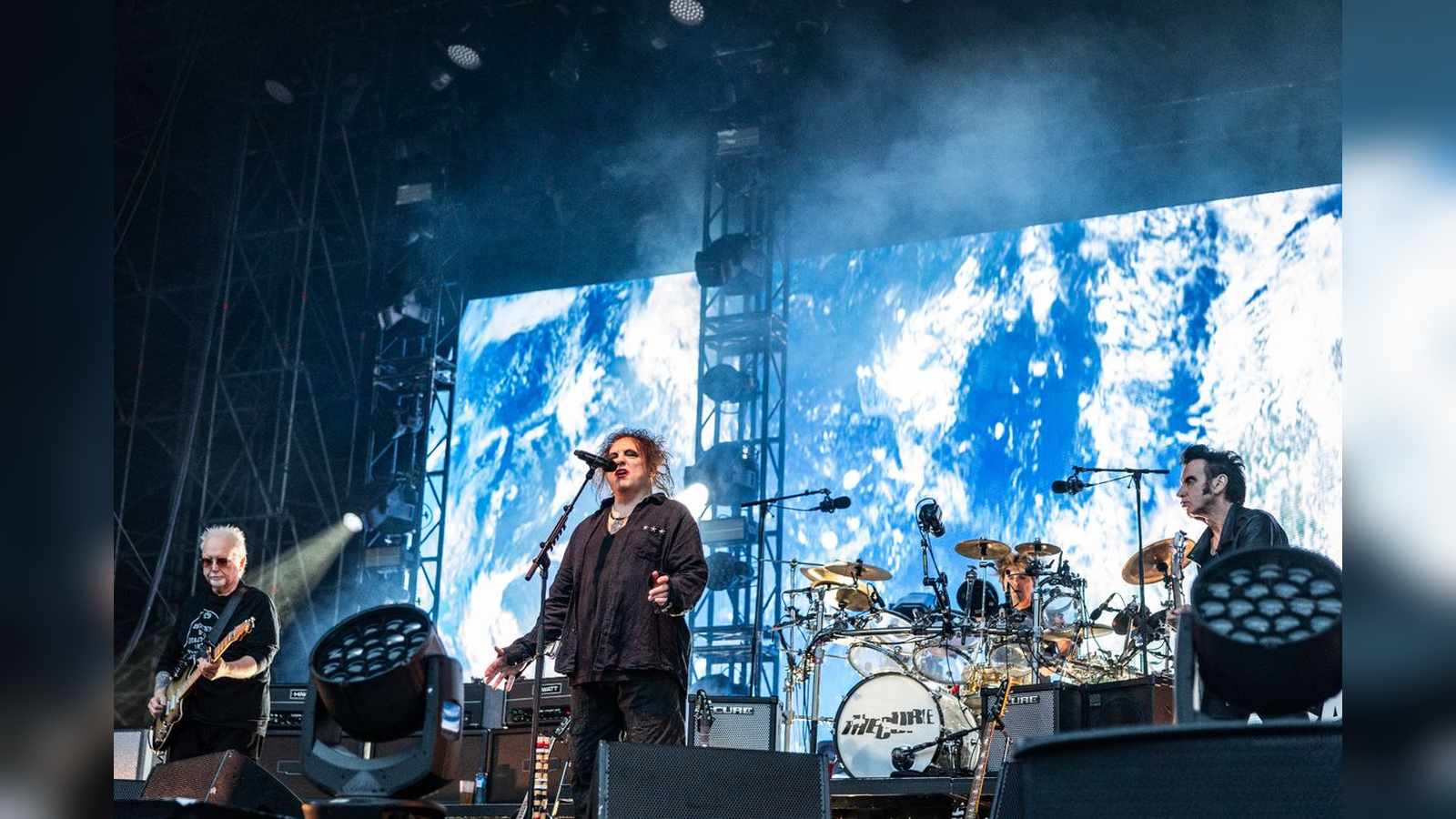
A Major Logistical Pivot for Manchester
The return of the Live From Wythenshawe Park concert series in Manchester marks a significant evolution in how the city manages large-scale outdoor events. With The Cure headlining the opening performance on Friday, August 21, the event has solidified its transition from a local curiosity into a major logistical operation capable of hosting 35,000 attendees per night.
The series, which debuted in 2023 with Noel Gallagher, now features a five-gig schedule across two weekends in August. Beyond the musical acts, the event has forced a re-evaluation of local infrastructure, requiring strict traffic management and enhanced public transport cooperation to move tens of thousands of people in and out of a public park setting.
This report draws on information published by el-balad.com and manchestereveningnews.co.uk.
Transport and Access Adjustments
Organizers and local authorities have implemented a comprehensive set of transport changes to mitigate the impact of the surge in visitors. Metrolink services have been bolstered with an enhanced schedule between 2pm and 8pm for arrivals, and between 10pm and midnight for departures. However, this convenience comes with operational constraints: the Baguley tram stop is closed from 9pm on each event day to manage crowd flow.
For those traveling by road, the scope of the closures is significant. Major arteries including Wythenshawe Road, Moor Road, Palatine Road, and Greenpark Road face closures ranging from 9:30pm to 2am to ensure pedestrian safety after the 10:30pm music curfew. Rackhouse Road remains closed for a longer duration, from 11am to 2am, reflecting the necessity of maintaining a secure perimeter for the ticketed arena.
Operational Complexity and Artist Scheduling
The Cure’s performance, their first in Manchester in a decade, serves as a test case for the series’ operational maturity. The band’s appearance is not merely a legacy act slot; it is tied to their recent catalogue activity, including the Songs Of A Lost World project. This keeps the event aligned with current industry demand rather than relying solely on nostalgia.
However, the complexity of managing a multi-act bill—including support from Slowdive and The Slow Readers Club—has introduced volatility into the schedule. Organizers have advised attendees to treat set times as fluid rather than fixed, emphasizing the need for flexibility in arrival and departure plans. The stringent entry requirements, which prohibit a wide range of items from large bags to umbrellas and professional cameras, underscore the heightened focus on security and the efficient processing of 35,000 people through the gate area.