


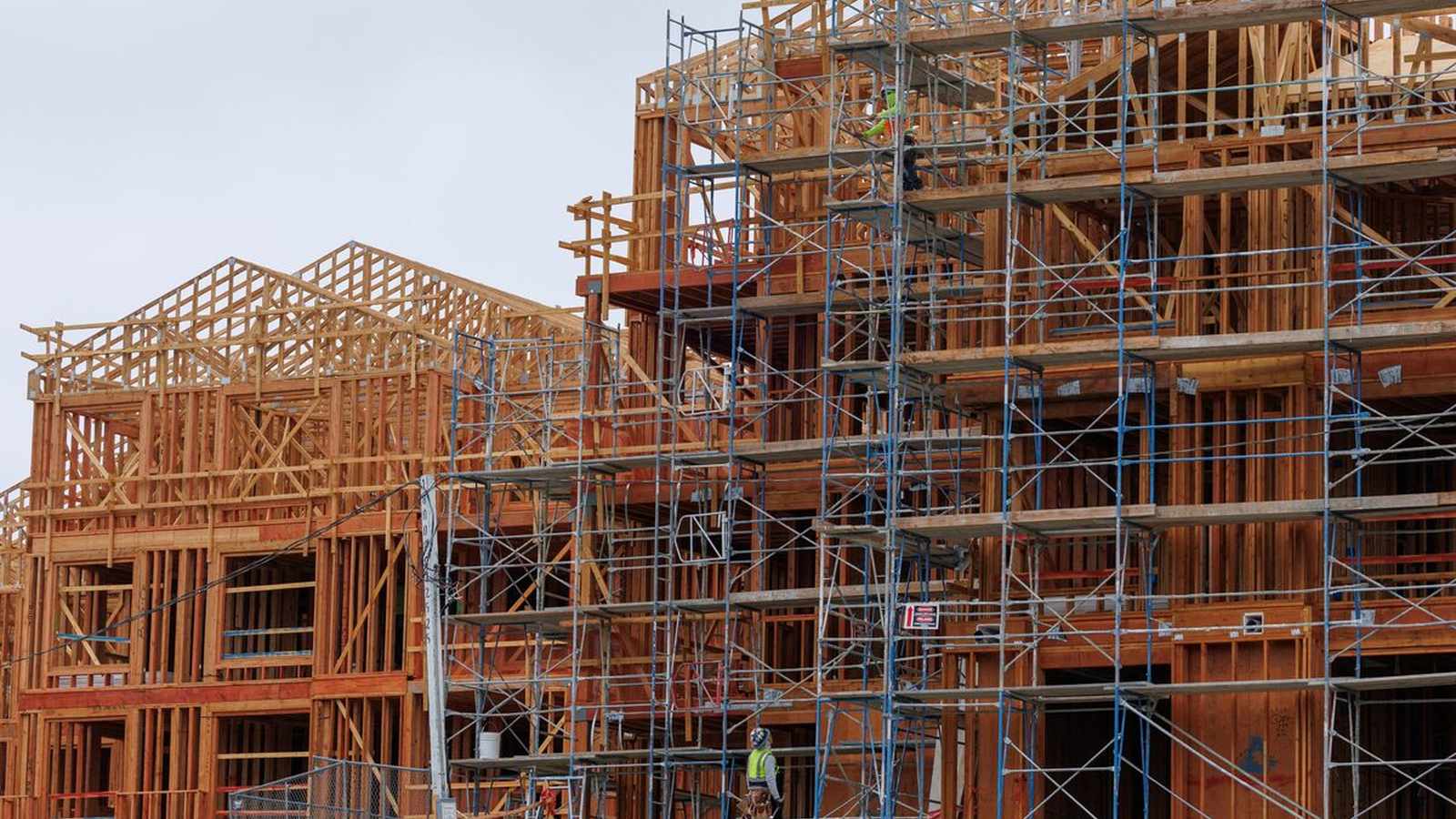
U.S. homebuilder sentiment has plunged to its lowest level in over a decade, with the National Association of Home Builders (NAHB)/Wells Fargo Housing Market Index dropping to 29 in October 2026 according to The Tech Advocate. This sharp contraction marks the lowest reading recorded since June 2012, placing severe pressure on the broader residential real estate sector. The downturn reflects an accumulation of persistent market headwinds, including soaring borrowing costs, sluggish prospective buyer traffic, and mounting affordability constraints that are forcing widespread pricing concessions across the industry.
Mortgage Rates and Borrowing Costs
The primary catalyst behind the steep decline in market confidence is the rapid acceleration of borrowing costs. Average 30-year fixed mortgage rates recently climbed to 7.4%, marking a three-year high that has effectively priced a substantial segment of prospective buyers out of the market. This surge compounds years of elevated property values, creating an unsustainable monthly payment burden for typical household budgets. According to Business Insider, the combination of high interest rates and stubborn home prices has driven market activity into a profound slowdown, with full-year 2026 sales projected to reach their lowest levels since 2011.
Collapsing Buyer Traffic and Builder Concessions
With mortgage rates restricting purchasing power, prospective buyer traffic has deteriorated sharply, reaching levels comparable to the aftermath of the 2008 financial crisis. Faced with vacant open houses and hesitant purchasers, builders are deploying aggressive measures to clear inventory and stimulate sales. Data from Realtor.com indicates that 43% of builders have resorted to direct price cuts, averaging a 6% reduction. Furthermore, approximately 65% of construction firms are offering financial incentives such as mortgage rate buydowns, covering closing costs, or including custom upgrades to entice cautious buyers.
Broader Market Implications and Economic Outlook
The persistent stagnation in new construction and existing home sales signals broader vulnerabilities within the U.S. economy. Pending home sales tracked downward through September, confirming that reduced contract activity will translate into lower closing volumes in the final quarter of the year. While the widespread adoption of buyer incentives offers temporary relief for those few who can still secure financing, it simultaneously compresses developer profit margins and dampens future residential investment, threatening sustained economic momentum heading into the next fiscal period.
Supply-Side Pressures and Labor Shortages
Beyond the demand-side challenges, homebuilders are also grappling with significant pressures on the supply side, particularly rising construction costs and persistent labor shortages. Lumber prices, while off their pandemic-era peaks, remain volatile. Other essential materials like concrete, steel, and basic fixtures have seen their costs climb steadily, directly impacting the builder’s bottom line and the final price of the home. The construction industry has faced a shortage of skilled workers for years, a problem exacerbated by an aging workforce and a lack of new entrants. This shortage results in higher wages for available workers, longer project timelines, and struggles to complete homes efficiently, further dampening homebuilder sentiment.
Regulatory Hurdles and Investor Shifts
Government policies and local regulations also play a significant role in shaping homebuilder sentiment and the housing market. Zoning laws often restrict density, making it difficult to build more affordable housing options like townhomes or smaller single-family homes. Permitting processes remain slow and cumbersome, adding months to development timelines and increasing holding costs. Furthermore, the dynamics of investor activity are shifting amid rising interest rates and a cooling market, forcing builders to rely more heavily on traditional homebuyers who face severe affordability constraints.