


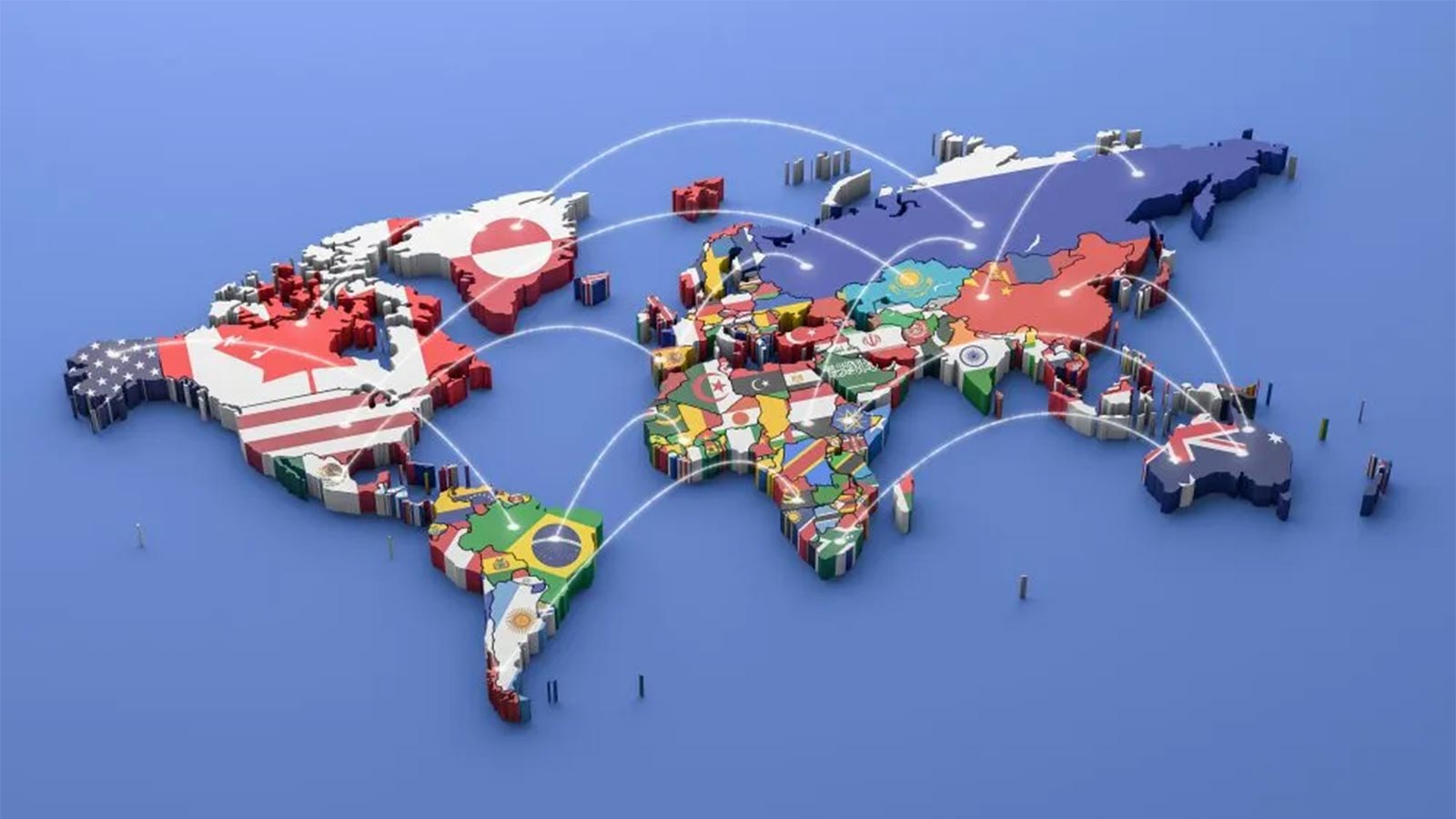
Professional sports have undergone a dramatic transformation over the last several decades, evolving from localized competitions to globally interconnected industries. This phenomenon, known as the globalization of professional sports, has redefined the way games are played, watched, and commercialized worldwide. While this shift has brought unprecedented opportunities for athletes, teams, and fans, it has also raised significant questions about ethics, labor practices, and cultural integration.
The Evolution of Globalized Sports
The globalization of professional sports can be traced back to advancements in technology and transportation. Satellite television and the internet have enabled fans to follow their favorite teams and players regardless of geographical barriers. Major tournaments like the FIFA World Cup, the Olympics, and the NBA Finals are now watched by millions across the globe. The rise of digital streaming platforms has further democratized access to sports, breaking down socioeconomic barriers to viewership.
Historically, sports leagues operated within national or regional boundaries. However, the late 20th century marked a turning point. For example, Major League Baseball (MLB) began recruiting talent from Latin America and Asia, while European soccer clubs increasingly scouted players from Africa and South America. These changes not only diversified the talent pool but also introduced new styles and strategies to the games, enriching the sports themselves.
Economic Implications
Globalization has turned sports into a multi-billion-dollar industry. Teams and leagues have expanded their revenue streams through sponsorships, broadcasting rights, and merchandise sales in international markets. For instance, the English Premier League generates significant income from its global fan base, particularly in Asia and the United States.
However, the economic benefits are not evenly distributed. In many cases, athletes from developing countries are exploited. For example, Latin American baseball players often enter MLB through unregulated scouting systems, where they face lower salaries and fewer protections compared to their North American counterparts. Similarly, young soccer players from Africa are sometimes recruited under dubious circumstances, with promises of fame and fortune that rarely materialize.
Cultural and Ethical Challenges
The globalization of sports has also led to cultural exchanges and clashes. While international competitions promote unity and understanding, they can also lead to the commodification of athletes. Players are often seen as assets rather than individuals, raising ethical concerns about their treatment.
One notable example is the “buscone” system in Latin American baseball, where young prospects are signed by MLB teams under exploitative conditions. These players often forgo formal education, limiting their opportunities outside of sports. Similar issues exist in European soccer academies, where young athletes face immense pressure to succeed, sometimes at the cost of their mental and physical health.
The Role of Governance and Regulation
Governance plays a critical role in addressing the challenges posed by the globalization of sports. Organizations like FIFA, the International Olympic Committee, and national sports leagues have implemented regulations to ensure fair play and ethical practices. For example, agreements between MLB and Japanese baseball organizations include provisions to protect and compensate players, a model that could be extended to other regions.
However, enforcement remains a challenge. Developing countries often lack the resources to regulate scouting and recruitment practices effectively. Moreover, the interests of powerful stakeholders, such as team owners and sponsors, can conflict with the welfare of athletes. Transparency, accountability, and stakeholder participation are essential for creating a fairer global sports system.
The Future of Globalized Sports
As sports continue to globalize, the industry must address its ethical and cultural challenges to ensure sustainability. This includes providing better support systems for athletes, particularly those from disadvantaged backgrounds, and fostering greater inclusivity and diversity at all levels of sports organizations. Technological advancements, such as data analytics and AI, could also play a role in improving talent identification and management practices.
Fans, too, have a role to play. By demanding greater transparency and ethical conduct from sports organizations, they can influence the industry’s direction. Ultimately, the globalization of sports has the potential to unite people across borders, but only if managed responsibly and equitably.
The globalization of professional sports is a double-edged sword, offering both opportunities and challenges. By addressing its ethical and economic disparities, the industry can create a more inclusive and equitable future for athletes and fans alike.