

Quick Read
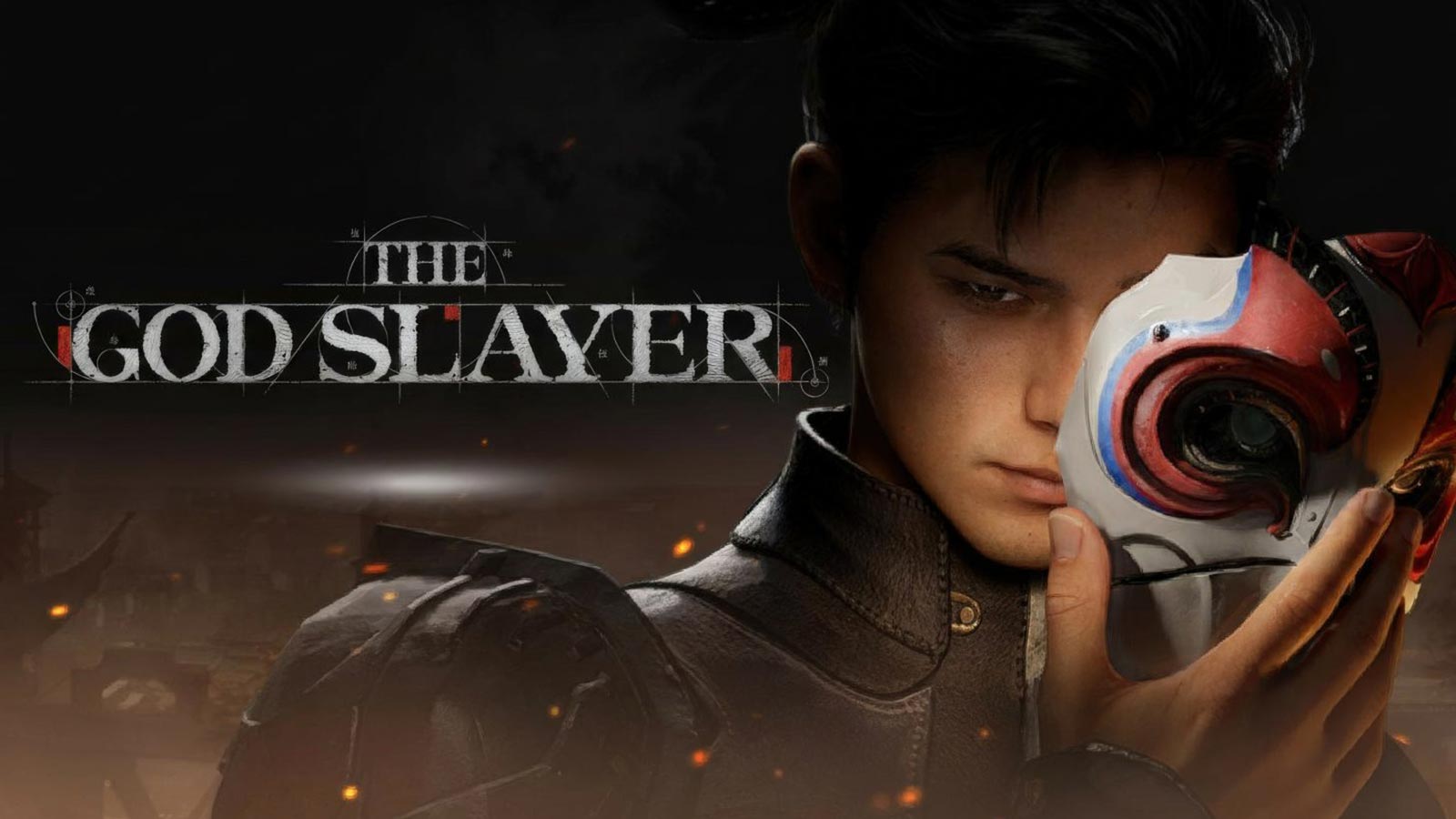
- Pathea Games revealed The God Slayer gameplay in December 2025, showcasing a 9-minute trailer with martial arts and elemental combat.
- Set in the Asian-inspired steampunk city of Zhou, players harness fire, water, earth, metal, and wood powers in dynamic battles.
- The game will launch on PS5, Xbox Series X|S, and PC in 2027; Nintendo Switch 2 version is under consideration.
- Production values include real-time rendered cutscenes, motion-captured martial arts, and a unique East Asian-steampunk soundtrack.
- Sony’s China Hero Project supports development, but the game is not a timed exclusive.
Avatar-Inspired Elemental Combat Brings Steampunk RPG to Life
Pathea Games, the creative force behind the ‘My Time at Portia’ and ‘My Time at Sandrock’ series, has taken a dramatic leap from cozy simulation into the heart of action RPG territory. Their latest project, The God Slayer, was revealed to the world in December 2025 with a gameplay trailer that left fans buzzing—and drawing comparisons to the Avatar game they’ve long dreamed of. But this isn’t just a cosmetic echo: The God Slayer fuses martial arts, elemental powers, and a vibrant steampunk city to deliver a genuinely fresh experience.
What Sets The God Slayer Apart?
The God Slayer is set in Zhou, a sprawling metropolis inspired by the real-world cityscape of Chongqing, China. Unlike sprawling maps that sometimes feel empty, Zhou’s 3 by 3 kilometer playable area pulses with density, verticality, and the energy of a living city. Pathea Games has poured resources into every corner: from ancient temples and bustling districts to underground dungeons, airships, and clockwork constructs. Players, as protagonist Cheng—a human Elemancer—will navigate this landscape while harnessing elemental powers drawn directly from East Asian mythology.
The combat system is one of the game’s crown jewels. Drawing heavy inspiration from martial arts legends like Jackie Chan and Jet Li, as well as the kinetic energy of Hong Kong cinema, the team has built a system where fighting is not just about reflexes, but about tactical interaction with the environment. Elemental powers allow you to set traps, flood rooms, freeze enemies, and even ignite obstacles. The five-element system (fire, water, earth, metal, wood) is not just a gimmick: each element interacts with both the world and other elements in nuanced ways. Fire consumes wood, water douses fire, earth shapes terrain, and metal and wood round out the tactical toolkit. These interactions are dynamic, rewarding both button-mashers and those who relish careful planning.
Storytelling and World-Building: A Hero’s Journey Against the Divine
The narrative centers on Cheng, an Elemancer in a world ruled by Celestials—divine beings determined to eradicate those who can bend the elements. Rather than telling the story in static cutscenes, Pathea has invested in real-time rendered cinematics, motion capture studios, and martial artist actors to ensure seamless transitions between gameplay and story. The journey isn’t just about defeating gods; it’s about personal growth, building relationships, and shaping the city’s fate through your choices.
The God Slayer’s story draws on lessons from My Time at Sandrock: players won’t simply follow a plot, but will experience the protagonist’s evolution, make friends and enemies, and uncover the secrets of Zhou’s steampunk society. Exploration is highly encouraged. Ancient rice fields, temples, and bustling urban centers are all open for discovery, with side activities and hidden challenges tucked away for those who stray from the main path.
Production Values: Motion Capture, Music, and the Steampunk Aesthetic
The visual and auditory identity of The God Slayer stands out in a crowded field. Pathea built a dedicated motion capture studio to film high-quality cutscenes, blending martial arts choreography with steampunk spectacle. Giant mechanical enemies and airships loom over the city, their presence felt both in combat and in the game’s environmental storytelling.
The soundtrack is another highlight. Composers have woven together orchestral arrangements, traditional Chinese instruments, and industrial sounds—think drums, electric guitars, and ancient melodies—to create an East Asian-steampunk hybrid that matches the game’s tone and setting. This musical fusion serves not just as background noise, but as a character in its own right, reflecting the tension between tradition and technology.
Platform Strategy and Technical Ambition
The God Slayer is being developed for PlayStation 5, Xbox Series X|S, and PC, with a release window targeted for 2027. The game remains part of Sony’s China Hero Project, which supports Chinese developers with funding, marketing, and technical expertise. Despite this, The God Slayer is not a timed exclusive; it will launch simultaneously across platforms, pending technical feasibility for Nintendo Switch 2. The game’s elemental physics system is demanding, and the team is currently assessing whether the Switch’s hardware can support the vision without significant compromises.
Voice acting will be available in both English and Chinese, with the possibility of additional languages depending on the game’s reception. This commitment to localization reflects the studio’s ambition to reach a global audience.
Gameplay Depth: Not Just Another Open-World RPG
Unlike many modern RPGs that chase live-service trends or soulslike difficulty, The God Slayer is laser-focused on delivering a premium, single-player experience. The map may not rival the sheer scale of Grand Theft Auto, but its density is intentional: every corner is designed to offer meaningful exploration, side quests, and environmental storytelling. Combat is layered, with a dedicated challenge mode where even a couple of hits can be fatal, catering to both casual and hardcore players.
Environmental interaction is central to the game’s appeal. Early prototypes envisioned advanced physics like digging and volumetric flooding, though these were scaled back for performance reasons. What remains is a genuinely dynamic system where your elemental powers shape not just combat, but the world itself.
Industry Impact and Fan Reception
The God Slayer’s reveal was met with widespread acclaim from fans and industry journalists alike. Gaming Nexus described it as “rad as hell,” noting its unexpected blend of influences and polished presentation. The trailer has prompted excited speculation about the game’s potential, especially among fans of martial arts cinema and Avatar: The Last Airbender.
The game’s participation in Sony’s China Hero Project also signals a growing recognition of Chinese-developed games in the global market. Pathea Games, already respected for their life sim titles, are now poised to make a mark in the action RPG space.
The God Slayer represents an ambitious convergence of genre, aesthetic, and technical innovation. By fusing martial arts, steampunk design, and deeply interactive elemental combat, Pathea Games is positioning itself at the forefront of the next wave of open-world RPGs. If the final release matches the promise of its gameplay reveal, this title could redefine expectations for what a single-player RPG can deliver in 2027.