

Quick Read
- Micron Technology is seeing massive demand for HBM, essential for AI training.
- The KOSPI index hit record highs above 7,870 points, driven by semiconductor giants.
- Industry analysts forecast a ‘supercycle’ as AI demand layers over a standard memory recovery.
- Major risks include cyclical price reversion and long-term capacity expansion schedules.
The 2026 Semiconductor Paradigm Shift
The global semiconductor landscape is witnessing an unprecedented transformation as of May 2026, driven by a structural shift in memory demand. Micron Technology (MU) has emerged as a central pillar in this rally, with market participants increasingly eyeing a $1 trillion valuation for the company. This surge is not an isolated event but part of a broader, systemic expansion in the memory sector, as evidenced by the record-breaking performance of the KOSPI index and the rally of major players like SK Hynix and Samsung Electronics.
AI and the HBM Bottleneck
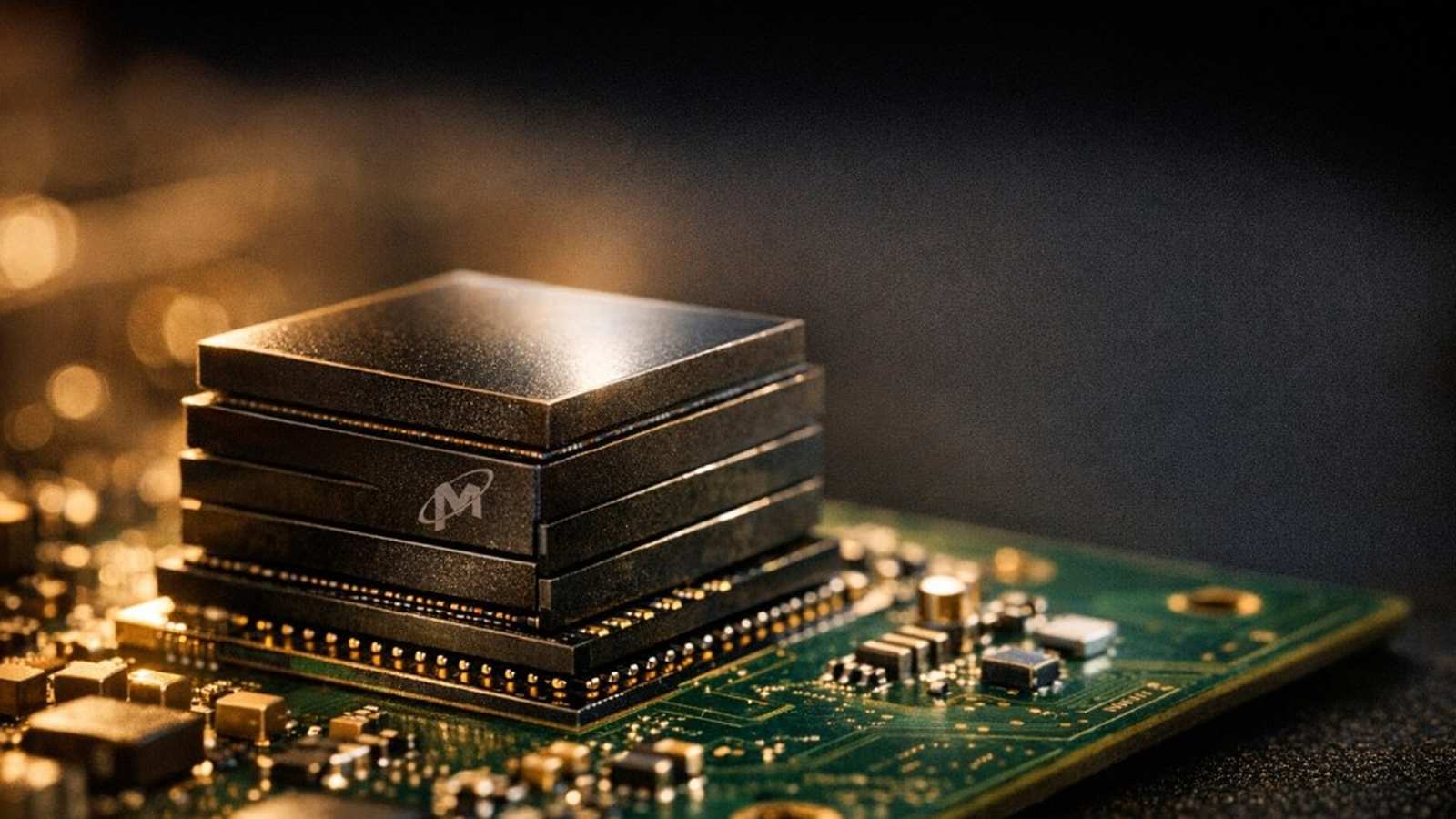
At the core of this rally is High Bandwidth Memory (HBM). Unlike commodity DRAM, HBM is essential for AI training systems, feeding massive parameter counts to NVIDIA and AMD accelerators. As noted by industry analysts, Micron has effectively sold out its 2025 HBM supply, with long-term agreements extending well into 2026. This scarcity has granted memory manufacturers significant pricing power, transforming the sector from a volatile commodity market into a strategic bottleneck for the AI revolution.
Market Dynamics and Valuation Stretches
The KOSPI index recently shattered the 7,870-point mark, fueled by massive inflows into semiconductor stocks. In Seoul, SK Hynix saw a double-digit surge, reflecting the global contagion of optimism. This price action is supported by aggressive upward revisions in earnings forecasts; for instance, KB Securities projects Samsung Electronics’ second-quarter operating profit to reach 84 trillion Korean won. Such figures underscore the premise that AI demand is layering on top of a traditional recovery cycle, creating a ‘supercycle’ environment.
Risks in an Euphoric Market
Despite the bullish sentiment, institutional caution remains. Memory stocks are historically cyclical, and the current rally is characterized by high retail participation and aggressive valuation targets. Analysts warn that while the current demand-supply imbalance is real, the eventual return of capacity expansions—scheduled to commence in earnest after 2028—could exert downward pressure on prices. Furthermore, the reliance on advanced packaging in geopolitically sensitive regions like Taiwan and Korea remains a structural risk factor that investors must weigh against the immediate potential for growth.
Assessment: The current semiconductor rally represents a genuine structural shift in the value of memory components within the AI tech stack. While the potential for Micron to reach a $1 trillion valuation captures headlines, the sector remains tethered to cyclical realities. Investors should differentiate between short-term momentum and long-term capacity constraints, as the sustainability of this rally will depend on hyperscaler capital expenditure endurance and the successful qualification of next-generation HBM architectures.