


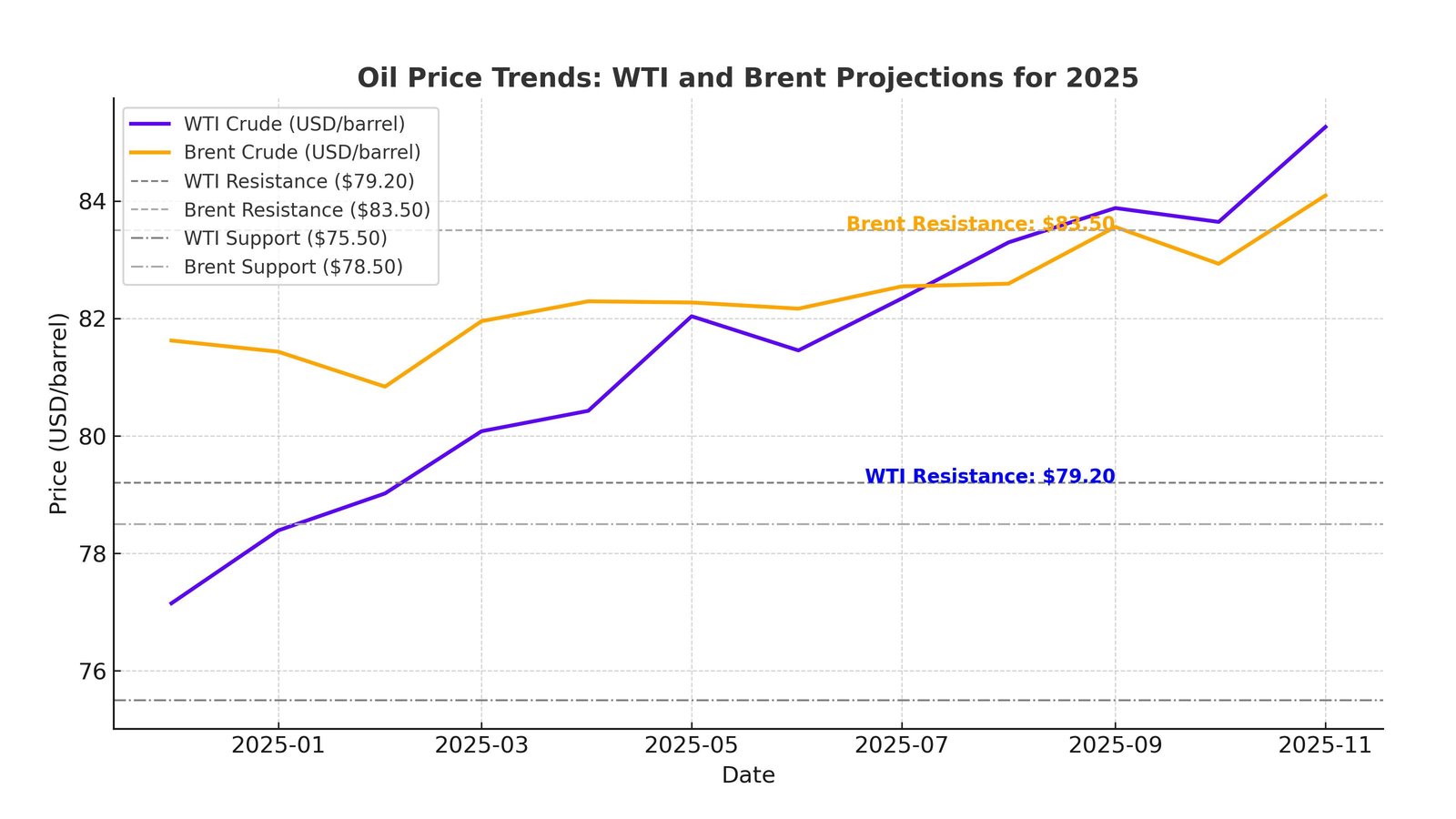
YEREVAN (Azat TV) – Global energy markets are navigating a period of heightened volatility as of May 8, 2026, with Brent crude futures reflecting shifting investor sentiment. The latest market data indicates that international benchmarks are reacting to a combination of macroeconomic pressures and geopolitical uncertainty, leading to immediate fluctuations in energy pricing structures.
Market Volatility and Brent Crude Dynamics
The current state of the energy sector remains sensitive to external factors, including regulatory changes and shifting political landscapes that influence production outlooks. Financial analysts note that the recent movement in Brent oil futures is a direct response to global supply chain adjustments and evolving demand forecasts for the second quarter of 2026. For consumers and local industries, these shifts signal a potential transition in retail fuel costs, as domestic markets often mirror international crude trends with a slight delay.
Regional Impact on Fuel Pricing
In Armenia, the cost of fuel, or ‘benzin’, remains intrinsically linked to these global benchmarks. When Brent prices experience rapid movement, local distributors and policy experts monitor the delta between international procurement costs and local retail pricing. The current instability in the futures market necessitates a cautious approach from regional stakeholders, as the volatility may persist throughout the coming weeks depending on how global inventories align with seasonal demand.
Managing Risk in Energy Trading
Market observers emphasize that the current environment is characterized by high risk, particularly for those involved in financial instruments tied to energy commodities. Professional advice remains essential for investors navigating these price fluctuations, as market data providers warn that indicative prices can differ significantly from actual exchange rates due to the influence of various market makers. The complexity of the current energy landscape requires stakeholders to prioritize stability over short-term speculative gains.
The observed volatility underscores a fundamental shift in energy market behavior, where supply-side caution is increasingly being met with unpredictable demand patterns, suggesting that energy prices will remain susceptible to rapid, data-driven corrections throughout the current quarter.