


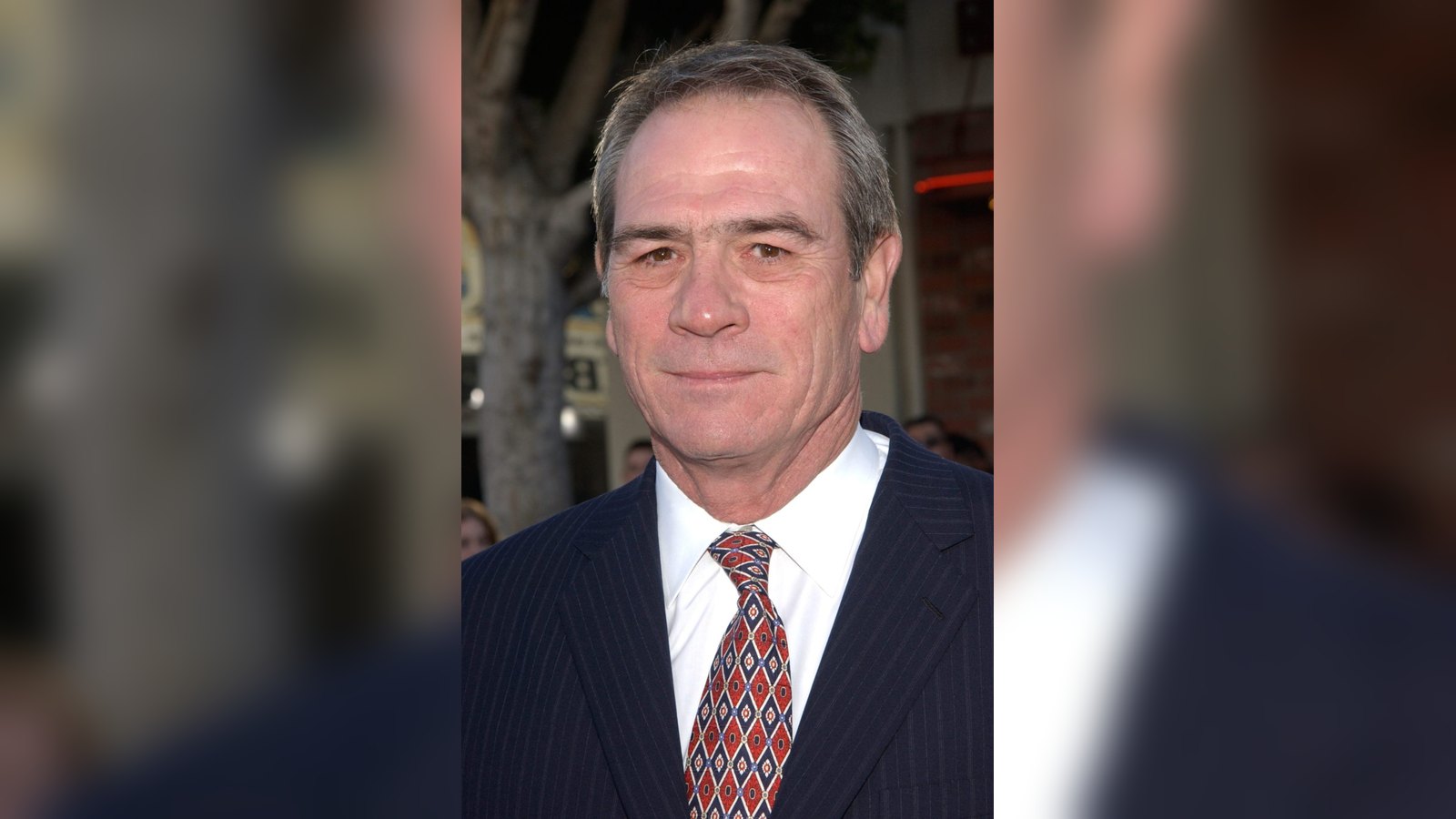
A Return to Texas Roots
Academy Award-winning actor Tommy Lee Jones has offered a rare glimpse into his life away from Hollywood, detailing his decision to settle on a 6,000-acre ranch in his hometown of San Saba, Texas. In a recent interview published by Fox News, which drew from a conversation with The New York Times, the 80-year-old actor explained that his transition back to his roots in the early 2000s was a deliberate choice. Reflecting on this move, Jones stated, “I knew that God loved me, because he put me on the ground in Texas.”
For an actor whose career spans over five decades, the choice to move back to the rural landscape of San Saba represents a significant departure from the typical trajectory of Hollywood heavyweights. Jones noted that at a certain point in his life, he realized he possessed the autonomy to live anywhere. “So, in my wisdom, I went home,” he remarked. His residence, a two-story home originally constructed in 1856, serves as the centerpiece of a property he has carefully curated to avoid “any fences around the house,” prioritizing a sense of openness and connection to the land. This philosophical pivot toward his roots serves as a grounded counter-narrative to the standard Hollywood career arc, where actors often feel tethered to urban centers or production hubs. By choosing to embrace the isolation and history of his Texas heritage, Jones has redefined what success looks like for an octogenarian in the entertainment industry.
Polo and Personal Pursuits
Beyond the demands of the film industry, the Texas ranch has become a hub for Jones’ long-standing passion for polo. Having grown up around horses, the actor began playing the sport in the 1970s. Since moving to his San Saba property, he has developed two dedicated polo fields. The ranch now houses 25 horses, and serves as a venue for events hosted by Jones and his wife, Dawn Laurel-Jones. While the actor has stepped back from competitive play, he speaks highly of his wife’s dedication to the sport, describing her as one of the better female polo players in the United States.
This lifestyle, characterized by physical activity and a connection to the land, provides a stark contrast to the professional life of a Hollywood actor. Jones, who gained early recognition on the soap opera “One Life to Live” and later secured an Emmy for “The Executioner’s Song,” has consistently maintained a pragmatic view of his career. Despite his accolades—including an Academy Award for his role in “The Fugitive”—he told Esquire in November that he does not dwell on the concept of a “legacy.” Instead, he prefers to focus on immediate concerns, stating, “I think more like a dog. I’m absorbed with what’s in front of me. I might run off and chase a squirrel.” This pragmatic, present-focused outlook is central to his ability to sustain a long career while maintaining deep roots in rural Texas.
Current Professional and Personal Context
Jones remains professionally active, currently starring in the FX series “The Lowdown” alongside Ethan Hawke, Betty Gilpin, and Jeanne Tripplehorn. He plays the character Lee Raybon Sr., known as “Frog,” who attempts to reconcile with his son while dealing with a terminal diagnosis. Jones described the project’s appeal as lying in the character’s “quest” to connect with his family, which he noted is “not advertised” but rather discovered throughout the narrative. The series, much like his own life, navigates the complexities of family relationships and the inevitability of change, mirroring his own grounded, introspective approach to aging.
The actor’s personal life has also been marked by profound loss. Earlier this year, his daughter, Victoria Jones, was found deceased in a San Francisco hotel room on Jan. 1. The Office of the Chief Medical Examiner confirmed in February that her death was an accident caused by the “toxic effects of cocaine.” Following the tragedy, the family, represented by the name “The Family of Victoria Kafka Jones,” released a statement thanking supporters for their “kind words, thoughts, and prayers” while requesting privacy. In addition to Victoria, Jones is a father to his son, Austin, from his previous marriage to Kimberlea Cloughley. This period of personal mourning further highlights the actor’s preference for the relative privacy of his ranch, where he can manage his professional engagements while processing life’s most difficult chapters away from the intense media scrutiny of coastal cities. His enduring connection to San Saba remains a constant anchor as he balances these professional demands and personal challenges.
As Jones moves forward into his ninth decade, his life on the ranch serves as more than just a home; it is a manifestation of his values. By curating a life that prioritizes land, family, and personal passions like polo over the relentless pursuit of industry accolades, he has carved out a unique space for himself. His ability to remain a relevant force in acting while maintaining this distance from the industry reflects a rare level of discipline and self-awareness. Whether he is working on a new project like “The Lowdown” or tending to his horses in San Saba, Jones appears content with the trajectory he has chosen, finding solace in the open spaces of the state that he credits for his very existence.
The transition to this lifestyle was not merely a reaction to aging, but a proactive decision to regain agency over his environment. The lack of fences around his home is symbolic of his desire for freedom—a theme that permeates his discussions about both his ranch and his acting roles. For a man who has portrayed some of cinema’s most stoic and complex characters, the reality of his daily life in Texas suggests that his most significant role is the one he plays as a resident of San Saba. The legacy he claims he does not think about is, in fact, being built through this very commitment to his origins, proving that one can remain a pillar of the film world without being consumed by it.