


Legal Escalation Over Energy Policy
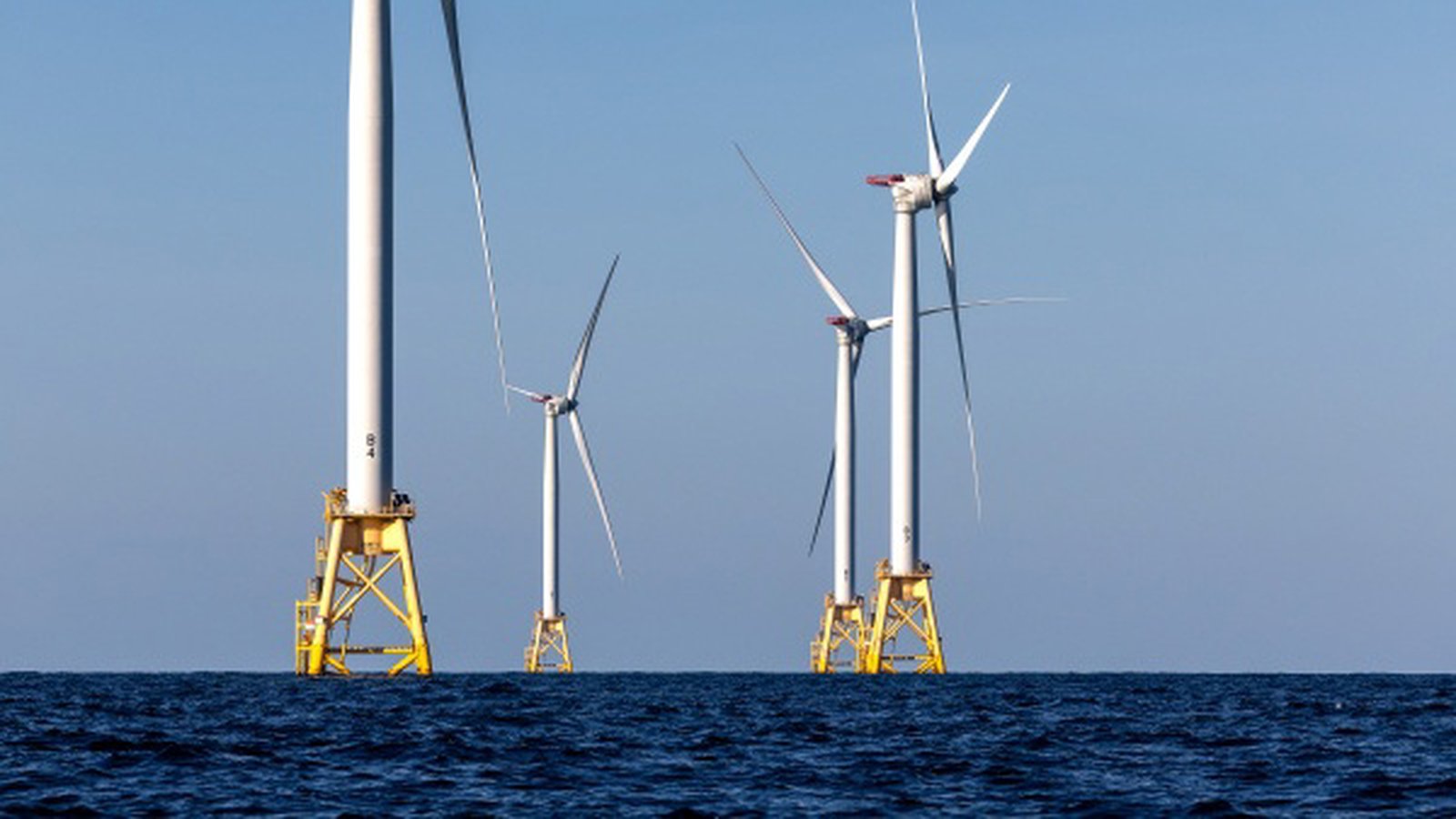
On June 2, 2026, a coalition of seven states, led by New York and Connecticut, initiated a federal lawsuit against the Trump administration, challenging the legality of a $1 billion settlement that effectively terminated offshore wind development leases held by the French energy firm TotalEnergies. The litigation, filed in the U.S. District Court for the District of Columbia, marks a significant constitutional and administrative clash over the executive branch’s authority to unilaterally dismantle renewable energy infrastructure projects established under previous federal mandates.
At the center of the dispute is the $795 million payout associated with the cancellation of the New York-based offshore project, which was projected to generate 3 gigawatts of electricity—sufficient to power approximately one million homes. Plaintiffs, including the attorneys general of Maine, Massachusetts, New Jersey, Rhode Island, and Vermont, argue that the administration bypassed required regulatory procedures and violated federal law by facilitating the termination of these leases. New York Attorney General Letitia James characterized the agreement as a “sham deal” that directs taxpayer funds toward a foreign corporation to abandon renewable energy in favor of fossil fuel investment.
Economic and Environmental Stakes
The implications of this litigation extend beyond procedural disputes, touching upon the economic stability of the regional power grid and long-term climate targets. According to the complaint, the canceled New York project was expected to provide $10 billion in cost savings to ratepayers, with $500 million specifically allocated to low-income households. By terminating these leases, the administration has introduced significant uncertainty into the renewable energy market, potentially jeopardizing over a thousand union jobs and forcing reliance on higher-priced, carbon-intensive energy sources.
Interior Secretary Doug Burgum has defended the administration’s actions, framing the $1 billion payout not as a subsidy, but as a refund of lease payments made by the company in 2022. During a recent hearing before the House Natural Resources Committee, Burgum argued that the projects were only viable under the previous administration’s “massive taxpayer subsidies” and that the current administration is merely correcting an economically unsustainable energy strategy. However, legal experts suggest that the administration’s specific condition—that the returned funds be re-invested in oil and gas projects—could constitute an overreach of executive authority.
The Broader Regulatory Landscape
This lawsuit is part of a wider trend of administrative obstruction facing the renewable energy sector. Parallel to the TotalEnergies dispute, a coalition of renewable energy advocacy groups has challenged the Department of Defense regarding the delay of national security reviews for onshore wind farms. The cumulative effect of these executive maneuvers has been a near-total stagnation of new wind project development across the United States. As the judiciary begins to review the administrative record, the case will likely hinge on whether the Interior Department followed the statutory requirements of the Outer Continental Shelf Lands Act when negotiating the early termination of these leases.
The legal battle over the TotalEnergies lease cancellation represents a critical test of the limits of executive power in energy policy. By attempting to use administrative settlements to reverse the trajectory of the nation’s energy transition, the Trump administration has invited a rigorous judicial review of its procedural compliance. If the courts determine that the administration acted without proper statutory authorization, it could set a precedent that restricts the ability of future executive branches to dismantle established energy contracts, thereby reinforcing the stability of federal infrastructure commitments regardless of political shifts.