


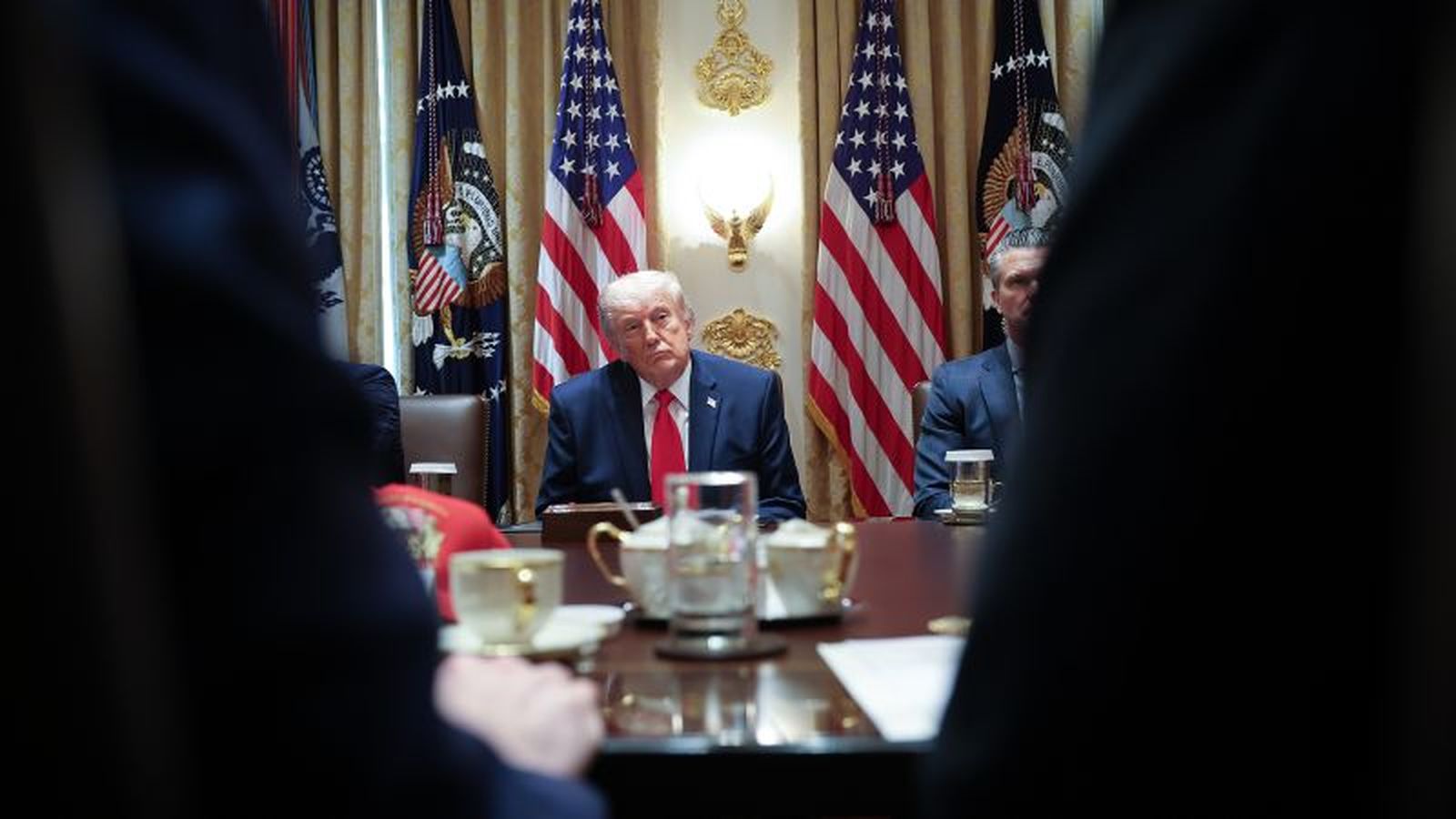
A Pivot Toward Structured AI Oversight
President Donald Trump has signed an executive order mandating a voluntary 30-day pre-release review process for the most advanced artificial intelligence models. The policy, finalized after weeks of internal deliberation and industry consultation, seeks to balance the rapid trajectory of AI innovation with the pressing demands of national security and the protection of critical infrastructure. By formalizing this mechanism, the administration aims to identify and mitigate cyber vulnerabilities before powerful systems are deployed into the public domain.
The Rationale Behind the 30-Day Window
The urgency behind this directive stems from the emergence of sophisticated models, such as Anthropic’s Mythos, which have demonstrated the capability to identify and exploit software vulnerabilities at unprecedented speeds. Initially, earlier drafts of the executive order contemplated a 90-day review period. However, following extensive feedback from major tech firms, who argued that such a timeline would hinder the competitive velocity required to maintain American technological dominance, the window was condensed to 30 days. This adjustment highlights the administration’s attempt to navigate the tension between the need for oversight and the imperative to prevent stifling domestic innovation.
Collaborative Governance and Industry Response
Unlike mandatory regulatory frameworks that would require congressional action, this executive order relies on voluntary cooperation from leading AI developers, including OpenAI, Google, and Anthropic. The order explicitly states that its provisions do not authorize mandatory governmental licensing or preclearance, thereby preserving the current landscape of industry-led development. Major stakeholders, including Microsoft and OpenAI, have publicly signaled support for this approach, emphasizing that safety and innovation must advance in tandem to ensure long-term public trust and accountability.
Strategic Cybersecurity Objectives
Beyond the review of models, the order mandates the creation of an AI cybersecurity clearinghouse. This institution is designed to facilitate the sharing of threat intelligence and vulnerability data between the private sector and federal agencies. By institutionalizing this exchange, the administration seeks to move beyond ad-hoc communication, creating a more cohesive defense posture against state and non-state actors who may look to weaponize emerging AI capabilities against American digital infrastructure.
The effectiveness of this policy will ultimately be determined by the depth of industry participation. While the voluntary nature of the order avoids the legal complexities of mandatory regulation, it also introduces a reliance on the transparency of firms that are inherently driven by competitive pressures. By prioritizing a collaborative framework, the administration has successfully sidestepped immediate legislative gridlock, yet it remains to be seen whether this ‘common-sense approach’ provides sufficient protection against the accelerating evolution of AI-driven cyber threats. The success of this initiative rests on whether the government can provide enough technical value through its clearinghouse to incentivize companies to share their most guarded intellectual property before major product launches.