


Strategic Pivot to Section 301
U.S. Trade Representative Jamieson Greer signaled on Tuesday that the Trump administration is preparing a new round of tariffs, marking a shift in how the White House pursues its protectionist trade agenda. Following a February Supreme Court ruling that invalidated the administration’s use of the International Emergency Economic Powers Act (IEEPA) for sweeping duties, officials are now pivoting toward Section 301 of the Trade Act of 1974 to anchor their trade policy in more resilient legal frameworks.
“We expect to see some action soon,” Greer told CNBC, confirming that the administration is working to reconstruct a global tariff regime that had been stalled by domestic legal challenges. While Greer declined to provide a specific timeline, citing the need to brief Congress, the move follows a series of recent aggressive trade actions, including new levies on Canadian goods and forthcoming duties on imports from Brazil.
Legal Durability and Enforcement
The administration’s new approach centers on using Section 301 to address alleged forced-labor practices in 60 economies, including China, the European Union, Japan, and India. By framing tariffs as a tool for enforcing labor standards rather than purely economic emergency measures, the White House aims to insulate its policy from the legal vulnerabilities that doomed its previous “reciprocal” tariff regime. Trade experts suggest that these measures are likely to be more permanent, as they are politically and legally difficult for future administrations to dismantle.
“We’re really seeing a recreation of that global tariff, and 301 being used as a way to lock that in,” said Blake Harden, managing director at Washington Council Ernst & Young. Unlike the IEEPA-based duties, which were struck down by the Supreme Court in February for exceeding executive authority, Section 301 investigations provide a specific statutory pathway for trade enforcement that the administration expects to survive court scrutiny.
Impact on Global Trade Partners
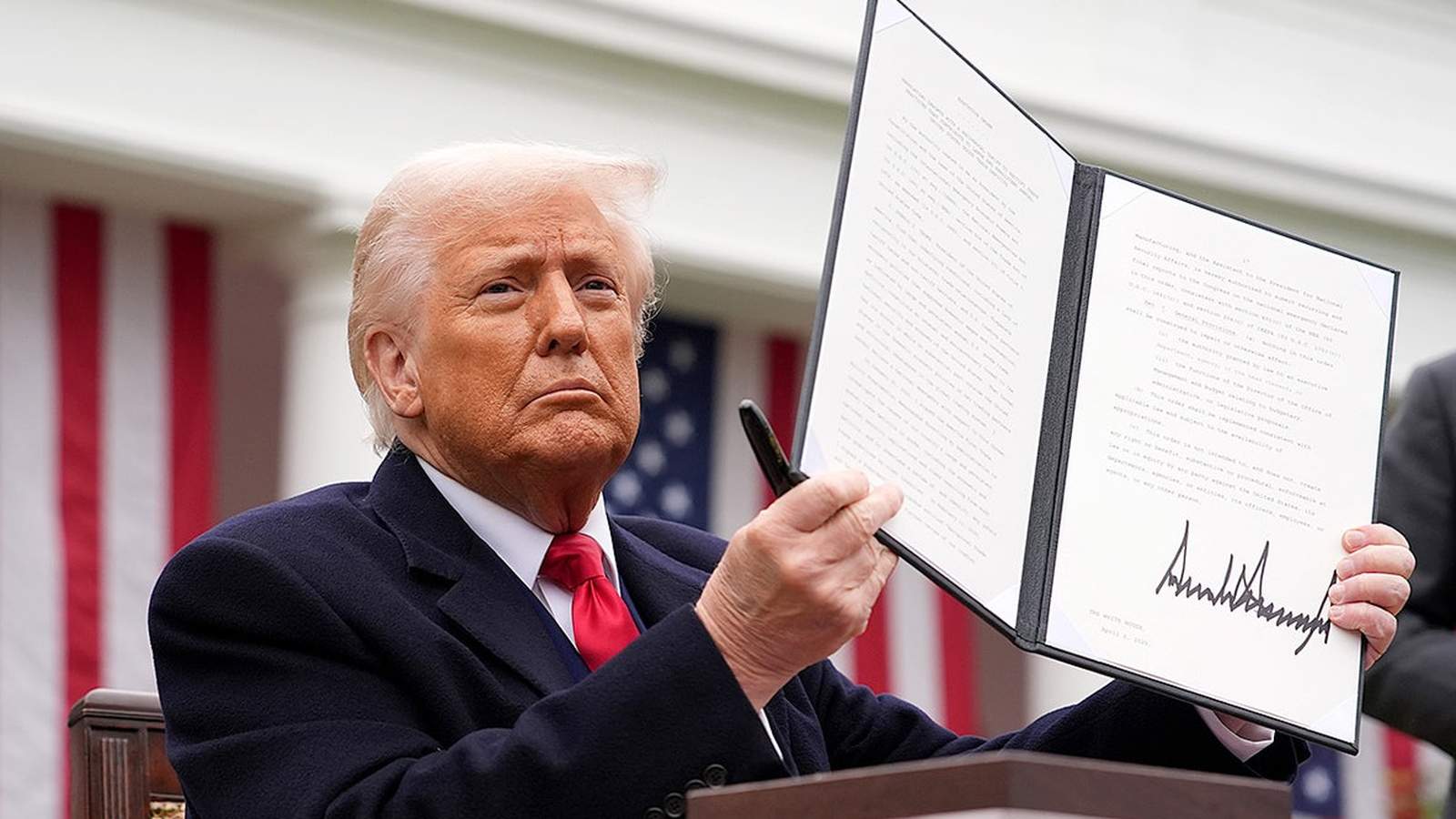
The latest maneuvers have heightened tensions with key allies. On Monday, President Trump signed proclamations imposing 50% tariffs on a range of Canadian products, including beer, wine, and industrial goods, citing trade discrimination. Canadian Prime Minister Mark Carney condemned the move as a direct violation of the United States-Mexico-Canada Agreement (USMCA). While Carney confirmed that he and President Trump have agreed to intensify negotiations, he noted that Canada is keeping all options open should the U.S. proceed with the threatened duties.
As the temporary 10% tariffs imposed under Section 122 are set to lapse this Friday, the administration is racing to finalize its 301-based framework. This transition represents a significant shift from the broad, unilateral tariff plans of 2025 toward a more targeted, investigation-driven model that aims to cover nearly 99% of U.S. trade activity.