


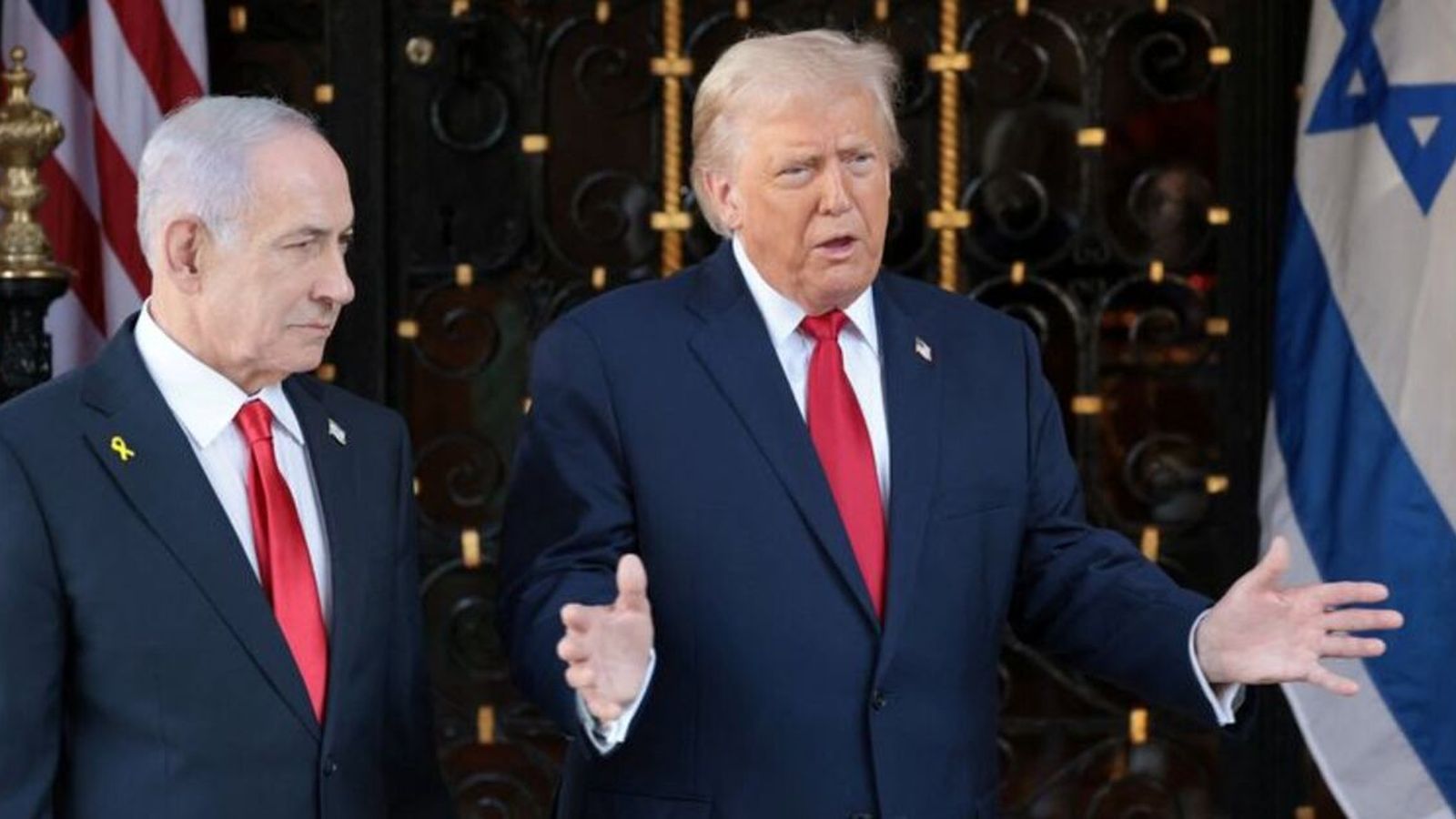
WASHINGTON — U.S. President Donald Trump announced on Tuesday, Nov. 3, 2026, that the United States will halt its $4 billion in annual funding to Israel by the end of 2026, while maintaining military arms sales to the close Middle East ally, as reported by Reuters in an article published by Al-Monitor. Speaking on Fox News’ “Fox & Friends” program as American voters headed to the polls for the 2026 midterm elections, Trump stated that he and Israeli Prime Minister Benjamin Netanyahu agreed months ago to terminate the financial support, asserting that Israel no longer requires the funds and that the aid has become a political liability utilized by Democrats against Republicans.
The unexpected declaration came on an Election Day that is projected to shape control of Congress. Trump did not outline specific mechanics for terminating the funding by the end of the year, a timeline complicated by the existing Memorandum of Understanding governing U.S. military aid to Israel, which does not formally expire until September 2028, and a 2020 congressional authorization law requiring annual appropriations bills from the Senate and House to release funds.
Political Rationale and Domestic Fallout
Trump framed the abrupt announcement as a strategic move to neutralize a domestic political flashpoint. He explicitly cited criticism from left-wing politicians and mentioned Democratic candidate Abdul El-Sayed, who is running for the Senate in Michigan, noting that critics leverage U.S. financial support to argue against military aid priorities. “The left uses the $4 billion payment that everybody knows about, well it’s no secret, as a signal of unfairness, and we can’t allow that to happen,” Trump said, as quoted by the Financial Express. Public opinion polling, including a Quinnipiac University survey, indicates that overall U.S. support for Israel has declined since the onset of the Gaza conflict in 2023, particularly among Democratic voters.
Beyond domestic electoral pressures, the announcement arrives amid heightened regional tensions and political uncertainty in Israel. Prime Minister Netanyahu faces protracted coalition negotiations following an October 27 election in which his party lost its governing majority. Analysts interviewed by Reuters questioned the abrupt timing of the declaration, noting it coincides with speculation over potential joint U.S.-Israeli military actions against Iran and follows earlier signals from Netanyahu acknowledging that American aid would eventually wind down as U.S. foreign policy shifts.
Defense Cooperation and Future Outlook
Despite the impending termination of direct financial aid, the administration’s plan preserves commercial and military arms sales. In anticipation of declining direct financial assistance, lawmakers previously advanced legislative mechanisms in the 2027 National Defense Authorization Act, including Section 219, designed to deepen technological and defense integration between Washington and Jerusalem. However, dozens of non-governmental organizations have opposed these provisions, labeling deeper defense ties without direct oversight as dangerous. As Washington awaits the final certified results of the midterm elections and potential congressional challenges to the proposed aid cutoff, both administrations face complex legislative and diplomatic hurdles to implement the shift before the 2026 deadline.