


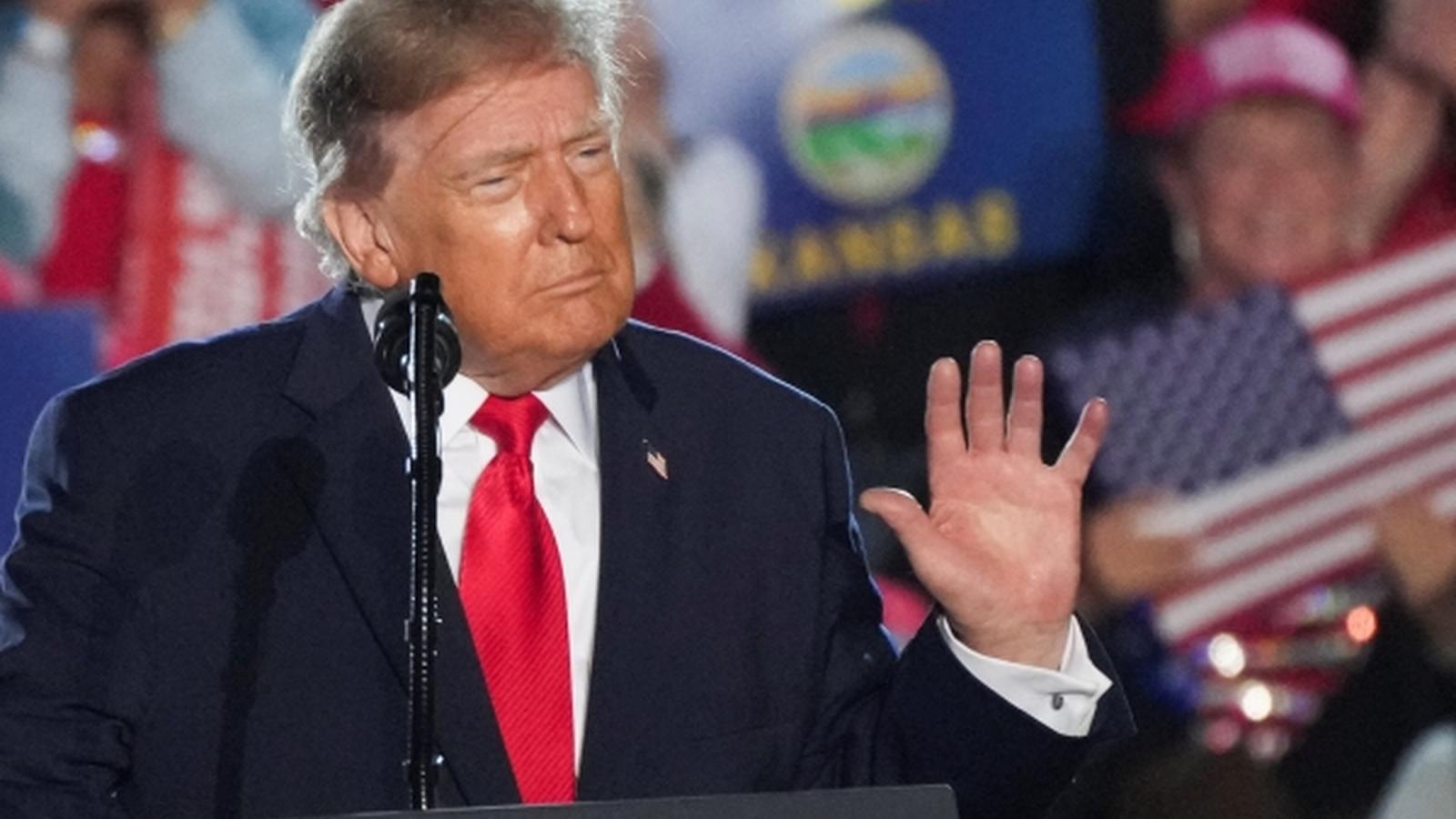
WASHINGTON (Azat TV) – President Donald Trump stated late Tuesday that he was absolutely willing to accept the outcome of the U.S. midterm elections and expressed readiness to work with congressional Democrats, according to an interview published by the Oman Observer. Speaking from the White House as election returns showed Democrats on track to capture majorities in both the House and the Senate, Trump adopted a subdued tone while absorbing the sweeping legislative setbacks.
The president’s commitment to honor the vote count marked a notable shift following months of sustained rhetorical attacks on electoral security by administration officials. As election night unfolded, Trump watched returns in the East Room alongside high-ranking advisers, including Vice President JD Vance, Secretary of State Marco Rubio, Attorney General Todd Blanche, and Commerce Secretary Howard Lutnick. Observers inside the White House described a somber atmosphere as early returns pointed to decisive losses for Republican candidates nationwide, such as Senate hopefuls in South Carolina and Texas.
Attributing Midterm Losses and Defending Foreign Policy
Reflecting on the broad electoral rejection, Trump argued that the outcome stemmed directly from his absence on the ballot. He asserted that without his name anchoring the ticket, the party failed to generate sufficient voter turnout. Despite the widespread defeat of congressional allies, Trump insisted he harbored no regrets regarding the first two years of his second term, characterizing the period as historically successful.
The president likewise defended his administration’s foreign policy choices, maintaining that his decision to initiate military action against Iran was entirely correct. While acknowledging that voters expressed frustration over elevated gasoline prices and broader inflation pressures, Trump dismissed those economic concerns as a minor trade-off for strategic geopolitical gains. Consumer price data indicated inflation had climbed to 3.7% annually in September, driven heavily by energy costs tied to the ongoing Middle East conflict.
Legislative Outlook and Bipartisan Engagement
Looking ahead to the incoming congressional landscape, Trump indicated that Democratic leaders had already initiated contact regarding potential areas of cooperation. While declining to name specific lawmakers, the president emphasized that his constitutional veto authority ensures the administration remains central to any legislative negotiations, specifically pointing to upcoming debt ceiling debates as a prime opportunity for compromise.
The administration now faces a restructured political reality in Washington. With legislative control shifting on Capitol Hill, the White House must navigate a divided government. Observers note that the immediate test of this renewed willingness to collaborate will arrive when the new congressional session convenes to address federal spending limits and fiscal policy adjustments.