


Board Votes to Rename Kennedy Center, but Was It Unanimous?
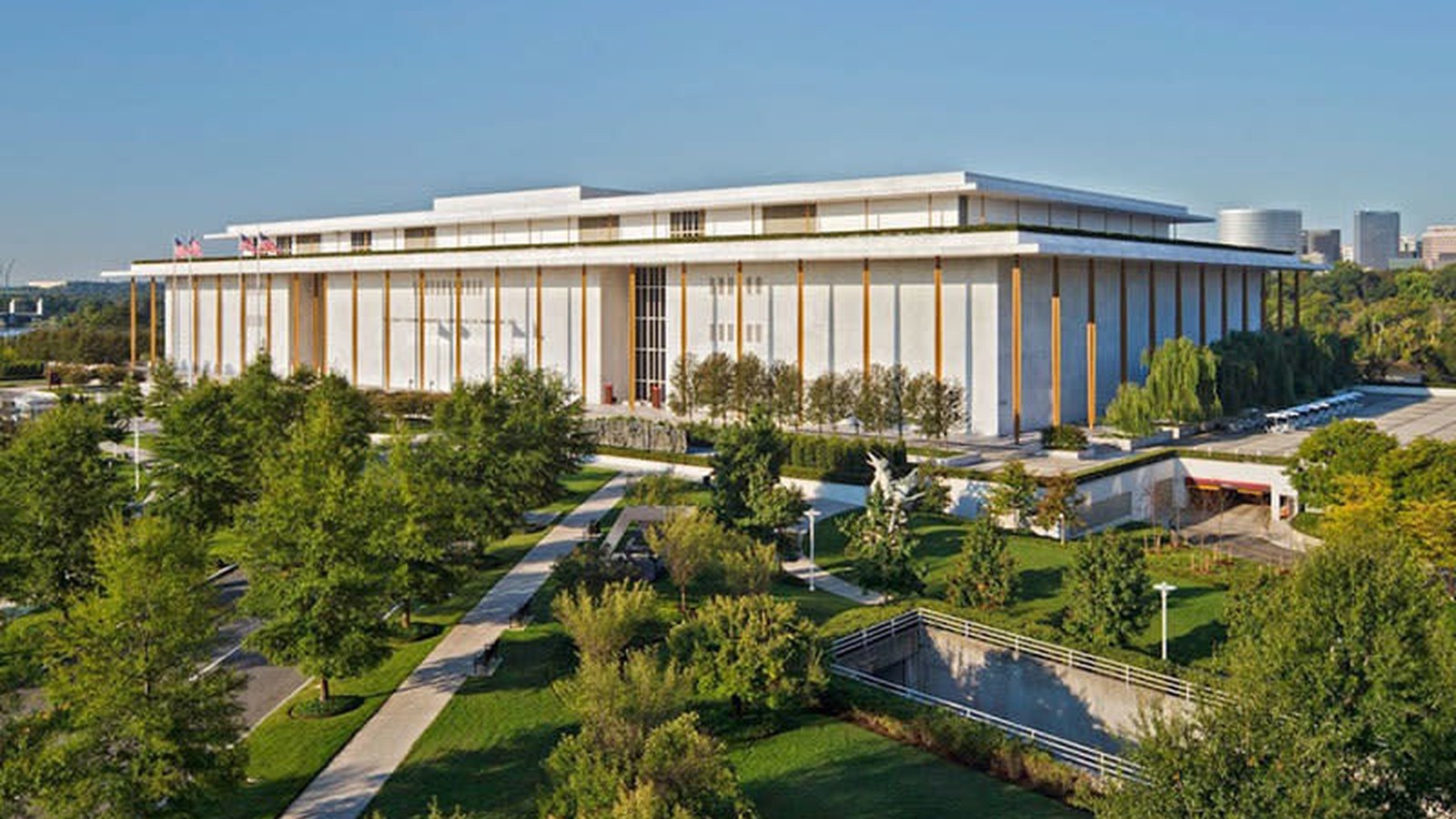
In a move that has sent ripples through the American arts community, the board of trustees at the John F. Kennedy Center for the Performing Arts voted on December 18, 2025, to rename the institution as ‘The Donald J. Trump and The John F. Kennedy Memorial Center for the Performing Arts.’ The announcement, made by center spokeswoman Roma Daravi, emphasized the board’s purported unanimous decision and credited President Donald Trump—now also the board’s chairman—with saving the institution from “financial ruin and physical destruction.”
Yet, the claim of unanimity has been challenged. Democratic Rep. Joyce Beatty, an ex-officio board member, described being muted during the call and denied that the vote was truly unanimous. “Each time I tried to speak, I was muted,” Beatty said in a video posted to X, raising questions about transparency and governance. This discord was echoed by Kennedy family members, some of whom publicly expressed outrage and disbelief. “It makes my blood boil,” one remarked, highlighting the emotional undercurrents of the decision.
Legal Hurdles: Can the Center Be Renamed?
The renaming effort faces significant legal obstacles. The Kennedy Center was named by Congress in 1964 as a living memorial to President John F. Kennedy, and federal law specifically forbids adding further memorials or plaques in the public areas of the center after 1983. Joe Kennedy III, a grandnephew of President Kennedy, was blunt: “It can no sooner be renamed than can someone rename the Lincoln Memorial.” This legal uncertainty casts a shadow over the board’s vote and raises the possibility of a protracted battle in Congress or the courts.
Despite these challenges, Trump and his allies insist the change reflects a bipartisan effort to “save” America’s cultural hub. White House press secretary Karoline Leavitt congratulated Trump for his “unbelievable work” in restoring both the building and its finances. Trump himself, speaking at an Oval Office event, described being “honored and surprised,” praising the board as “the most distinguished people in the country.”
Trump’s Transformative—and Polarizing—Impact
Since returning to office, Trump has radically reshaped the Kennedy Center’s leadership and programming. After ousting billionaire philanthropist David Rubenstein as chairman, he installed a slate of loyalists, including new president Richard Grenell, who has implemented strict cost-cutting measures and a “break-even policy” for all performances and rentals. The center’s programming now targets broader audiences, with Trump promising a “Vision for a Golden Age in Arts and Culture” and declaring the institution “not going to be woke.”
Physical renovations have been aggressive. Trump secured over $250 million from Congress for restoration efforts—upgrading marble exteriors, refurbishing interior seating, and fully renovating the stages. He frequently touts these improvements as proof of his stewardship.
Yet, the transformation has come at a cost. Multiple outlets, including CNN, AP, and CNBC, report that ticket sales have plummeted—by as much as 50% in some periods—and subscription packages have declined. Touring productions such as “Hamilton” have canceled appearances, and prominent performers and consultants have distanced themselves, citing discomfort with the new direction. Rows of empty seats have become common during National Symphony Orchestra performances, and high-profile resignations have included musician Ben Folds and singer Renée Fleming.
Cultural Legacy and the Future of America’s Arts Hub
The Kennedy Center was conceived in 1958 under President Dwight Eisenhower as a national cultural center, with John F. Kennedy and Jacqueline Kennedy leading a major fundraising campaign in 1962. Following Kennedy’s assassination, President Lyndon Johnson signed legislation renaming the center in his honor—a gesture that cemented its status as a national memorial.
Trump’s use of the center in his second term has been conspicuous. He has hosted board meetings, attended opening nights, and even presided over the Kennedy Center Honors—a role he avoided during his first term. This year’s awardees included Sylvester Stallone, KISS, and Gloria Gaynor, with Trump claiming personal involvement in their selection. The institution has also hosted events like the FIFA World Cup draw, where Trump was awarded a soccer “peace prize.”
Despite claims of financial recovery, critics argue that the center’s reputation has suffered. Some Kennedy family members fear the renaming is part of a broader effort to erase Kennedy-era legacies, citing previous changes to the White House Rose Garden and other symbolic spaces. The broader cultural community worries that the center’s role as a nonpartisan beacon for the performing arts may be at risk.
As the debate intensifies, legal questions remain unresolved, and the center’s future hangs in the balance. Will Congress intervene to defend Kennedy’s legacy, or will Trump’s imprint become permanent? For now, the Trump-Kennedy Center stands as a symbol of how America’s cultural institutions can become battlegrounds for political power, identity, and memory.
The renaming of the Kennedy Center is far more than a change of signage—it’s a flashpoint in the ongoing struggle over national memory, legal boundaries, and the values that guide America’s cultural institutions. The facts reveal a deeply divided board, declining public engagement, and a legal challenge that may yet decide the outcome. At stake is not just a building, but the story America tells about itself, its leaders, and its future.