


Trump’s Executive Order: Marijuana Reclassified to Schedule III
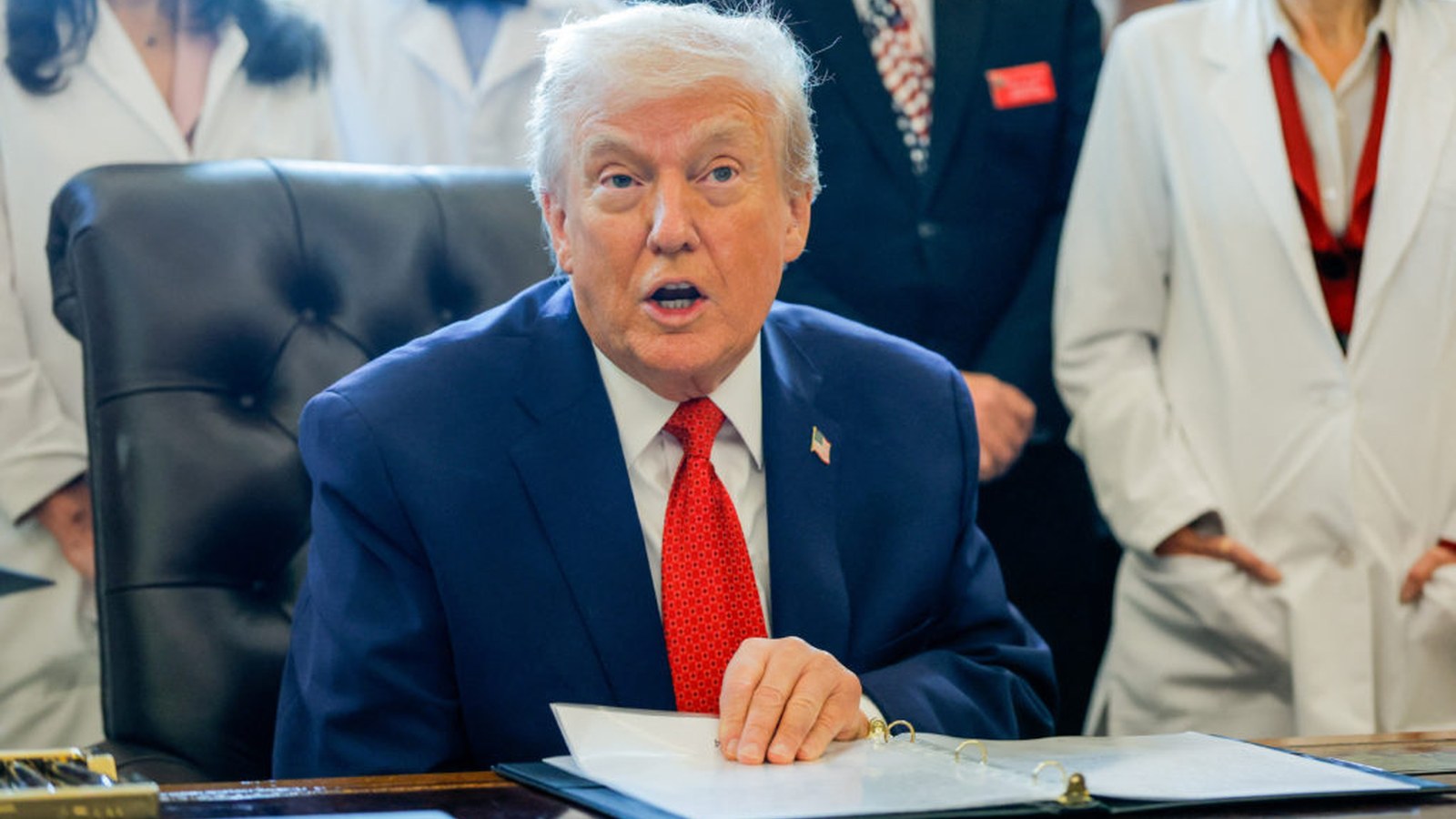
On December 18, 2025, President Donald Trump signed an executive order that fundamentally shifts how marijuana is regulated under federal law. The order moves marijuana from Schedule I—reserved for the most restricted substances like heroin and LSD—to Schedule III, a category that includes drugs such as ketamine, Tylenol with codeine, and anabolic steroids (PBS NewsHour, CBS News, BBC).
For decades, marijuana’s classification as Schedule I has signaled its perceived high potential for abuse and lack of accepted medical use, subjecting users and businesses to strict legal consequences. Trump’s order, echoing proposals from the Biden administration, aligns federal policy more closely with the stance already adopted by most U.S. states, where medical or recreational cannabis is legal or decriminalized.
What Changes—and What Stays the Same?
The reclassification is historic, but it doesn’t legalize marijuana for recreational use nationwide. Cannabis remains illegal at the federal level for non-medical purposes. Instead, the shift to Schedule III will loosen regulations around research, open pathways for medical use, and substantially affect the economics of the cannabis industry.
One of the most immediate impacts is tax relief for businesses. Under current law, cannabis operators face effective tax rates as high as 80% because Schedule I status bars them from typical business deductions. Moving to Schedule III could eliminate these hurdles—stabilizing struggling operators, attracting new investment, and making it easier for dispensaries to thrive (CBS News).
Medical research will also benefit. The new classification permits broader study into marijuana’s potential for treating chronic pain, cancer, seizure disorders, and conditions affecting veterans, a point Trump emphasized during the Oval Office signing ceremony (BBC). It also directs federal agencies to develop models for assessing the real-world health benefits and risks of both cannabis and cannabidiol (CBD).
Medicare, Seniors, and CBD: Expanded Access, New Questions
The order authorizes a pilot program for Medicare to cover CBD products—potentially at no charge for eligible patients. This initiative responds to the rising use of marijuana among older adults, with 7% of Americans over 65 reporting use in 2023, up sharply from previous years (Axios). If a doctor recommends CBD, seniors could access these products as early as April 2026, with further expansion possible if the program proves successful.
Medicare coverage will be limited to CBD, not THC—the psychoactive component of cannabis. The Centers for Medicare & Medicaid Services (CMS) and Department of Health & Human Services (HHS) are tasked with evaluating the safety and efficacy of CBD, which is touted for anxiety, insomnia, and chronic pain. However, experts warn that long-term CBD use could have risks, such as liver toxicity, and some medical professionals argue that THC itself has stronger evidence for efficacy (Axios).
Industry Impact: Pharma Standards, Equity, and Legal Ambiguity
Rescheduling marijuana to Schedule III could legitimize medical cannabis, potentially integrating it into mainstream healthcare. However, it also opens new regulatory challenges. Industry leaders say businesses may need to meet pharmaceutical-grade standards, and federal enforcement under the Food, Drug, and Cosmetic Act could expose dispensaries and growers to new risks—like selling prescription drugs without a license or misbranding products (CBS News).
Advocates hope the move will encourage legal participation, especially among communities disproportionately affected by the War on Drugs. “Reclassification would change that for thousands of businesses,” said Sasha Nutgent, VP of Cannabis Retail at Housing Works Cannabis Co. Yet, others warn it could further disadvantage small operators, as large pharmaceutical companies may dominate the market with synthetic THC products.
Banking barriers remain unresolved; without broader reform, cannabis businesses still face difficulties securing loans and insurance. The shift also raises questions about the future of hemp-derived THC products, which may face new restrictions even as marijuana laws are loosened.
Political Resistance and Public Opinion
Trump’s order has met resistance from within his own party. Over 20 Republican senators, including North Carolina’s Ted Budd, sent letters opposing the change, arguing that marijuana remains dangerous and undermines efforts to “Make America Great Again.” They cited health risks, workplace safety, and fears of foreign influence in the cannabis market (PBS NewsHour, BBC).
The debate isn’t just partisan. While polling shows a majority of Americans support legalizing marijuana—Gallup reported 68% support in 2024—Republican support has slipped, leading to sharper divides in Congress and among voters.
The Road Ahead: Legal, Medical, and Social Implications
The Drug Enforcement Administration (DEA) must still complete its review, and the reclassification process involves a lengthy public comment period. The move inches federal policy closer to the reality in most states, but the patchwork of laws remains. Federal prosecution is still possible, and the lack of a unified national framework means continued uncertainty for businesses and patients.
As for decriminalization, Trump has not committed to that step. He maintains that marijuana policy should be decided state-by-state, even as he pursues aggressive action against other drugs like fentanyl, which he recently declared a weapon of mass destruction (PBS NewsHour).
Conclusion: A New Era or More Uncertainty?
Trump’s executive order represents a landmark shift in how the U.S. government views marijuana. For patients, especially seniors and those with chronic conditions, the promise of expanded access and insurance coverage could be life-changing. For businesses, tax relief and research opportunities offer a reprieve, but new regulatory complexities and legal risks loom. And for policymakers, the move ignites fresh debate about the balance between public health, economic opportunity, and social justice.
As the DEA’s process unfolds and Congress weighs further action, Americans are left to watch whether this order ushers in a new era of evidence-based drug policy or deepens the regulatory maze.
Trump’s reclassification of marijuana to Schedule III is a watershed moment in U.S. drug policy, but its true impact will depend on whether Congress, regulators, and the industry can resolve the legal, medical, and economic contradictions that remain. Without broader reform, many challenges—especially for small businesses and patients—are likely to persist.