


Quick read
- Donald Trump has set a two-week deadline for Vladimir Putin to show progress on Ukraine peace efforts.
- The U.S. president has used similar two-week timeframes in the past, often without clear results.
- Trump remains undecided on applying new sanctions against Russia, fearing it could disrupt potential talks.
- European leaders have urged Trump to take a firmer stance on Russia, citing concerns over Putin’s recent actions.
- The Kremlin plans to present a memorandum during peace talks in Istanbul, but breakthroughs remain uncertain.
What is Trump’s two-week deadline for Putin about
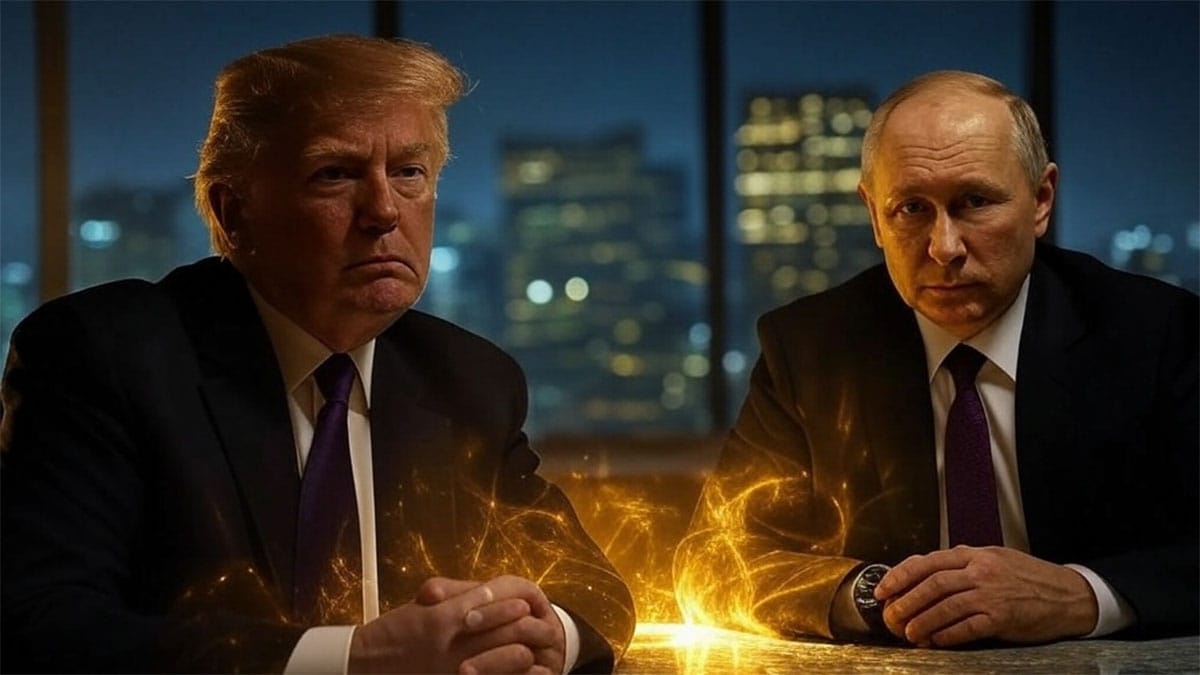
Donald Trump, the U.S. president, has repeatedly emphasized a two-week deadline for Russian President Vladimir Putin to demonstrate progress in ending the ongoing war in Ukraine. According to CNN, Trump has used similar timeframes in the past to signal imminent decisions on major policy issues, though these deadlines often pass without significant updates. This latest two-week period reflects his growing frustration with the lack of resolution in Ukraine, a conflict he once believed would be easier to solve.
Trump’s remarks come amid stalled peace negotiations between Ukraine and Russia. The Kremlin has announced plans to present a memorandum during talks in Istanbul, but as noted by BBC, there is little indication that a breakthrough is on the horizon. Meanwhile, Trump has oscillated between signaling potential sanctions on Moscow and suggesting he might walk away from mediation efforts altogether if progress remains elusive.
Why does Trump hesitate to impose new sanctions on Russia?
Despite his tough rhetoric, Trump has yet to enforce new sanctions on Russia, citing concerns that such actions could derail potential peace talks. In his recent statements, he acknowledged the delicate balance between pressuring Moscow and maintaining an environment conducive to negotiations. Trump told reporters, “If I think I’m close to getting a deal, I don’t want to screw it up by doing that.”
However, this cautious approach has drawn criticism from European leaders, who have urged the U.S. to adopt a firmer stance. As CNN reports, French President Emmanuel Macron has warned Trump that Putin’s recent actions suggest a hardening of his position, with European leaders believing the Russian leader is unlikely to back down without significant pressure. This has led to questions about whether Trump’s strategy is effective or simply allowing Moscow to prolong the conflict.
What role does the Kremlin’s memorandum play in the peace talks?
The Kremlin has stated that it will present a memorandum outlining its position during upcoming peace talks in Istanbul. According to BBC, this document is expected to provide details on Russia’s proposed terms for ending the war. However, Ukrainian officials remain skeptical about Moscow’s intentions, citing concerns that the memorandum could be a stalling tactic rather than a genuine step toward resolution.
In the meantime, Russian forces have continued their military activities in Ukraine, particularly in the northeastern Sumy region. As BBC notes, these actions may be part of an effort to establish “buffer zones” along the border, further complicating the situation on the ground. The ongoing conflict underscores the challenges faced by negotiators as they attempt to bridge the significant gaps between the two sides.
How has Trump’s approach to Putin evolved over time
Trump’s relationship with Putin has been a subject of intense scrutiny throughout his presidency. Initially, Trump appeared optimistic about his ability to negotiate with the Russian leader, often praising Putin’s strategic acumen. However, recent developments suggest a shift in Trump’s tone. During a recent press briefing, he described Putin as having gone “absolutely CRAZY,” reflecting a growing disillusionment with the Russian leader’s actions.
European leaders, including Macron, have long warned Trump that Putin’s behavior has changed significantly since their earlier interactions. According to CNN, these warnings appear to have finally resonated with Trump, who now acknowledges the challenges posed by a more aggressive Russian posture. Nevertheless, his reluctance to take decisive action has fueled criticism from both domestic and international observers.
As the two-week deadline approaches, the world will be watching closely to see whether Trump’s strategy yields tangible results or further delays. With the stakes higher than ever, the U.S. president faces mounting pressure to clarify his next steps and deliver a resolution to one of the most pressing global crises.