


Agency Paralyzed Following Mass Removals
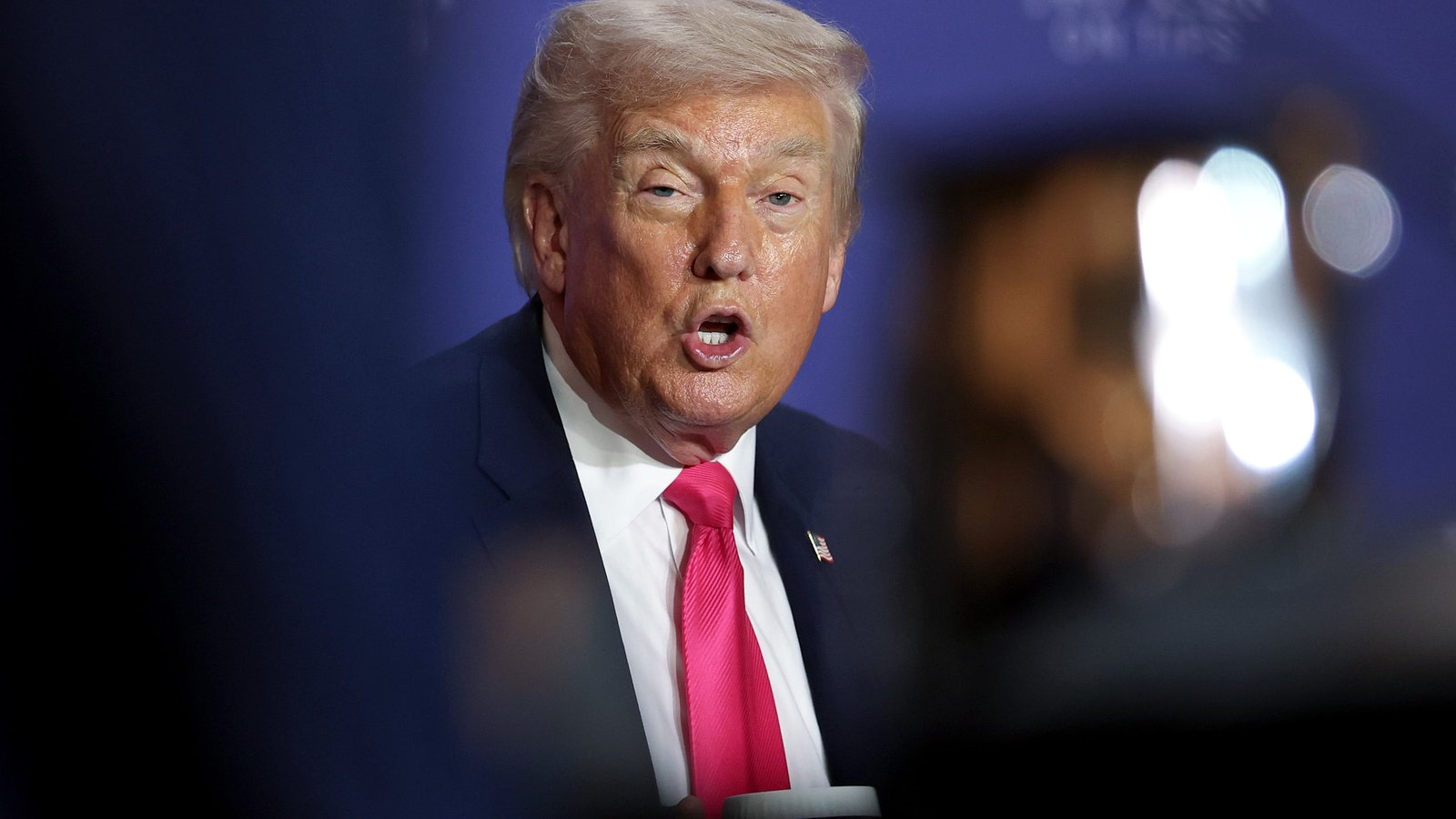
President Donald Trump removed or forced out the three remaining commissioners of the U.S. Election Assistance Commission (EAC) on July 9, 2026. This move leaves the only federal agency exclusively dedicated to election administration without a quorum, effectively halting its statutory duties. According to reports from Votebeat, the two Democratic commissioners, Thomas Hicks and Benjamin Hovland, were notified of their termination via email, while the Republican commissioner, Christy McCormick, was permitted to resign.
Under the Help America Vote Act of 2002 (HAVA), the EAC requires the approval of at least three members to authorize any action. With no commissioners currently in office, the agency cannot approve new grant funding for states or amend the Voluntary Voting System Guidelines, which are critical for testing and certifying election equipment nationwide.
Legal Stakes and the Removal Power
The removals follow the Supreme Court’s ruling in Trump v. Slaughter, which affirmed the president’s authority to remove principal officers at will under Article II of the Constitution. However, legal experts at Lawfare argue that these actions may conflict with the “Take Care” Clause, which obliges the president to ensure that laws enacted by Congress are faithfully executed. By stripping the EAC of its ability to function, the administration has effectively suspended the execution of HAVA.
While the Federal Vacancies Reform Act (FVRA) typically allows for acting officials to fill vacancies, it explicitly excludes multimember commissions governing independent establishments. Consequently, the only pathway to restoring the EAC’s functionality is through the formal Senate nomination and confirmation process—a pipeline that has been historically stalled for years.
Implications for Election Integrity
The EAC’s forced inactivity arrives at a sensitive time, with midterm elections approaching. The agency previously struggled with prolonged vacancies between 2010 and 2014, which resulted in significant delays in updating voting standards. Legal scholars suggest that the administration’s pattern of creating vacancies across major regulatory bodies—including the FEC, FCC, and NLRB—raises broader questions about whether the executive branch can use lawful removal powers to bypass congressional intent regarding agency oversight.