


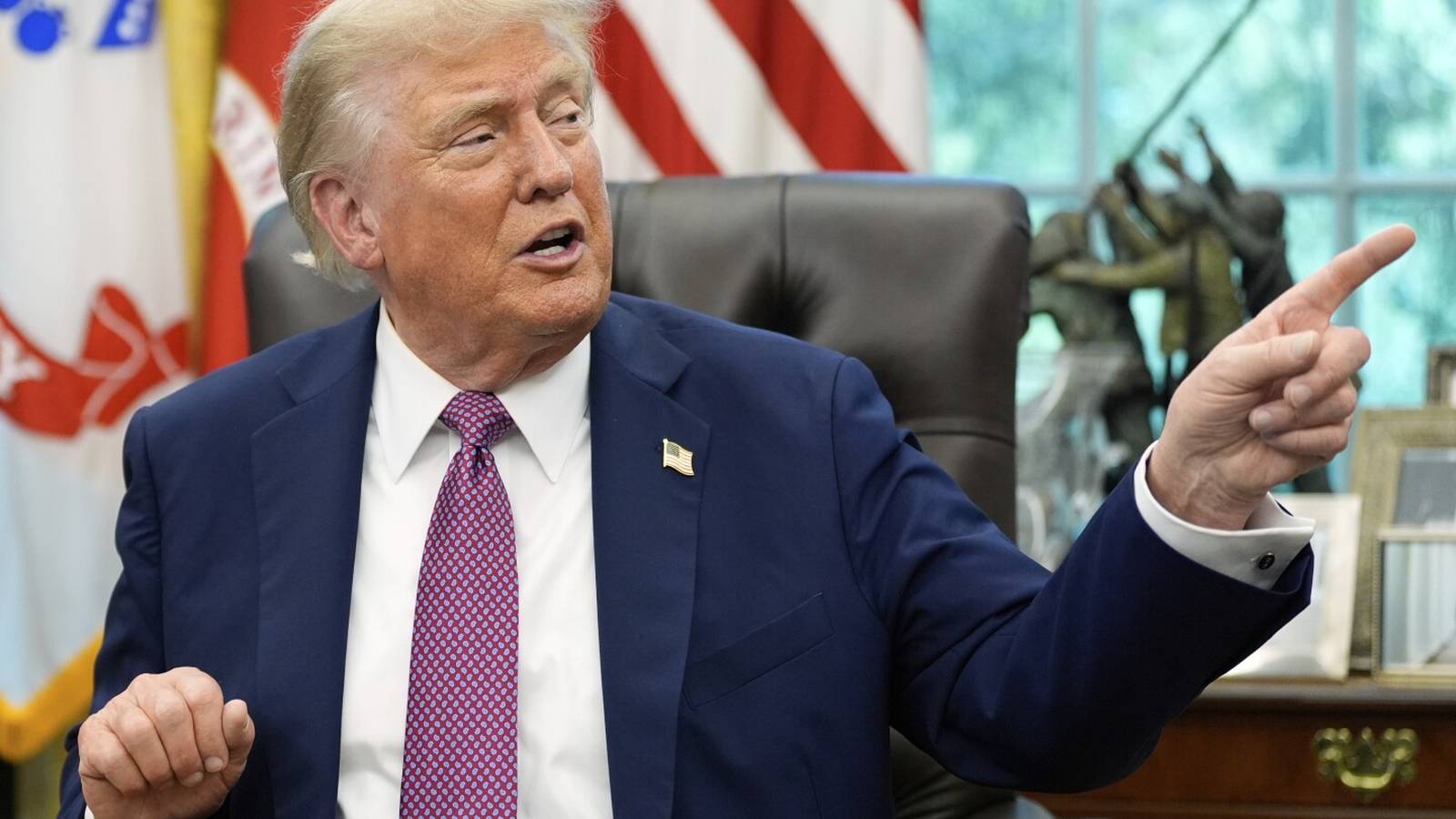
President $1 Trump is set to make headlines yet again as he attends the U.S. Open Men’s Final at Arthur Ashe Stadium on Sunday. This marks Trump’s first visit to the iconic tennis tournament since 2015, a return that has stirred both political and public interest. However, Trump’s appearance coincides with the launch of a controversial immigration enforcement operation, Operation Patriot 2.0, in Massachusetts, creating a unique intersection of sports, politics, and social debate.
Trump’s Return to the U.S. Open After a Decade
Trump’s presence at the U.S. Open Men’s Final is drawing attention for several reasons. According to SSBCrack News, this will be his first visit to the tournament since his early days as a New York resident and businessman. In the past, the Trump Organization maintained a suite at the tournament, but this tradition ended when Trump assumed the presidency in 2017. Now, attending as a guest of Rolex, Trump’s return to the tennis spotlight is being viewed as more than just a personal outing—it’s a calculated public appearance.
Interestingly, the U.S. Tennis Association (USTA) has reportedly taken measures to avoid any political distractions during the event. Broadcasters have been advised to keep the focus on the match, minimizing coverage of any potential protests or disruptions. This move underscores the polarized political atmosphere that often accompanies Trump’s public appearances, even at seemingly apolitical venues like a tennis championship.
Trump’s attendance is also noteworthy because it continues his pattern of appearing at high-profile sporting events. Earlier this year, he made headlines by attending the Super Bowl, the Daytona 500, and various UFC fights. His presence at these events often serves as a dual-purpose platform, blending personal branding with political messaging.
Operation Patriot 2.0: A Controversial Immigration Crackdown
While Trump enjoys the spotlight at the U.S. Open, his administration’s policies continue to generate intense debate. On the same weekend, the Department of Homeland Security (DHS) announced the launch of Operation Patriot 2.0, a large-scale immigration enforcement initiative in Massachusetts. According to The Guardian, the operation aims to detain and deport immigrants deemed a threat to public safety, particularly those released from local custody despite Immigration and Customs Enforcement (ICE) detainers.
This initiative follows a similar operation earlier this year in May, which led to the arrests of approximately 1,500 individuals. Federal officials have criticized local sanctuary policies, particularly in cities like Boston, arguing that these policies hinder federal immigration enforcement and jeopardize public safety. A DHS spokesperson stated, “Local policies that shield criminals not only undermine federal law but also put law-abiding citizens at risk.”
However, Operation Patriot 2.0 has sparked widespread controversy. Advocacy groups and local officials have raised concerns about the operation’s potential to sow fear within immigrant communities and disrupt family structures. Critics argue that these measures may lead to racial profiling and violate the rights of undocumented immigrants. The operation has also drawn attention to the broader debate over sanctuary policies, which are designed to limit local cooperation with federal immigration authorities.
Sports and Politics: A Deliberate Intersection?
Trump’s attendance at the U.S. Open and the simultaneous launch of Operation Patriot 2.0 highlight a deliberate blending of public appearances and policy actions. According to SSBCrack News, Trump has historically used high-profile events as platforms to reinforce his political agenda. This weekend is no different, as his presence at Arthur Ashe Stadium captures media attention while his administration’s policies dominate the headlines.
The juxtaposition of these events raises questions about the role of sports in political discourse. While sporting events are often seen as neutral spaces for entertainment and competition, they increasingly serve as arenas for political statements and protests. For Trump, attending such events provides an opportunity to maintain visibility and connect with his base, particularly as he navigates the post-presidency political landscape.
Additionally, the timing of Operation Patriot 2.0 underscores the administration’s commitment to its hardline stance on immigration, a central theme of Trump’s political identity. By launching the operation during a high-profile weekend, the administration ensures that its policies remain in the public eye, even as attention is divided between sports and politics.
What This Means for Public Discourse
The overlap of Trump’s U.S. Open appearance and the launch of Operation Patriot 2.0 serves as a microcosm of the broader tensions in American society. On one hand, the U.S. Open represents a celebration of global talent and unity through sport. On the other hand, Operation Patriot 2.0 reflects ongoing divisions over immigration policy and national identity.
As the events of this weekend unfold, they offer a window into the complex interplay between public appearances, policy actions, and media narratives. Whether on the tennis court or in the streets of Massachusetts, the impact of these actions will be felt across multiple spheres of American life.
Trump’s return to the U.S. Open and the launch of Operation Patriot 2.0 highlight the enduring intersection of politics and public life. These events serve as a reminder of the ways in which individual actions and government policies shape the national conversation, for better or worse.