


A Clear Departure from FIFA’s Model
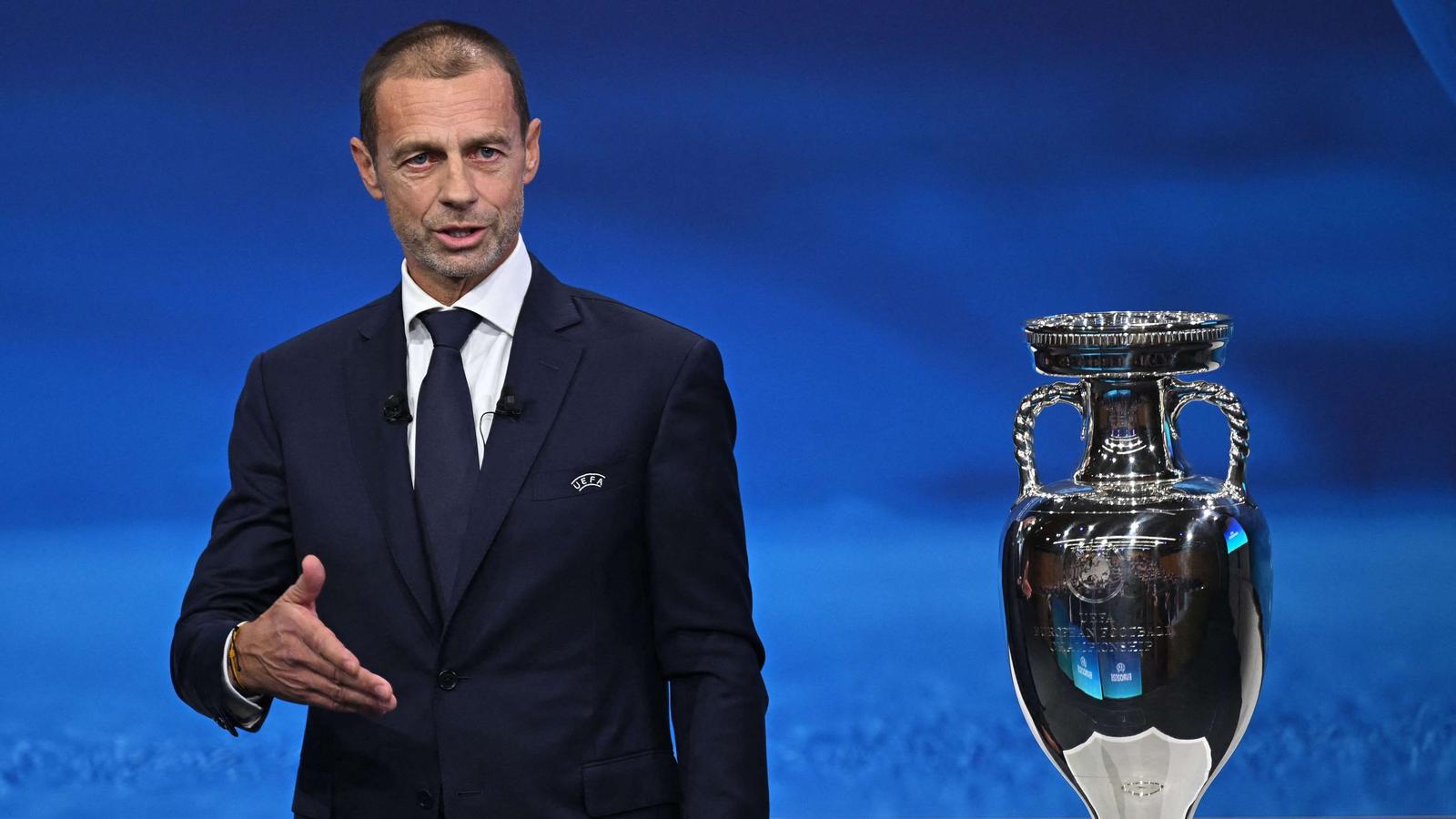
UEFA has officially reaffirmed its decision to freeze ticket prices for the 2028 European Championship, maintaining rates consistent with those of Euro 2024. This strategic move creates a stark contrast with FIFA’s controversial ticketing strategy for the 2026 World Cup, which has drawn widespread condemnation from fan groups and consumer advocates.
According to reports from The Athletic and TicketNews, UEFA plans to keep its “Fans First” tier at approximately €30 and €60, with over 40% of all inventory allocated to lower-priced categories. English Football Association CEO Mark Bullingham confirmed the organization’s stance, stating, “There won’t be any dynamic ticket pricing,” a commitment that now serves as a pillar of their tournament planning.
The Debate Over Algorithmic Pricing
The contrast between the two governing bodies highlights a broader shift in the live events industry. While FIFA has been accused of using dynamic pricing—a system where costs fluctuate based on real-time demand—to maximize revenue at the expense of accessibility, UEFA is framing its approach as a public mission. By protecting the lower end of the price spectrum, UEFA aims to ensure that football remains accessible to the average supporter, even as they look to premium hospitality to drive overall tournament revenue.
This issue extends well beyond sports. Personal finance expert Martin Lewis recently highlighted how dynamic pricing has fundamentally altered travel, noting that the traditional “book early for a discount” rule no longer applies. As algorithms dictate costs in real-time for airlines and hotels, consumers are finding it harder to predict expenses, making UEFA’s decision to reject these models in favor of fixed, transparent pricing a significant move for the broader event industry.
Setting a New Precedent
FIFA currently faces a formal complaint to the European Commission, with critics arguing that their model treats ticket scarcity as a tool for aggressive monetization. In contrast, UEFA’s strategy suggests that global sporting events can maintain financial viability without resorting to price surges that alienate the core fan base. While UEFA is expected to increase prices for later tournament rounds and premium seating, the protection of entry-level access is being viewed as a vital rebuke to the current industry trend of algorithmic revenue optimization.