


Quick Read
- Ukraine’s ‘Spiderweb’ drone tactics target Russian airfields.
- Russian forces relocate aircraft and fortify defenses.
- The innovative strategy highlights Ukraine’s evolving military approach.
In the unfolding theater of the Russo-Ukrainian war, innovation continues to define Ukraine’s approach to survival and resistance. Recent reports reveal that Ukraine has executed an audacious ‘Spiderweb’ drone strategy, compelling Russia to relocate its aircraft and adopt defensive postures. This marks a significant turn in the conflict, underscoring the role of evolving military technologies in modern warfare.
What is the ‘Spiderweb’ drone strategy?
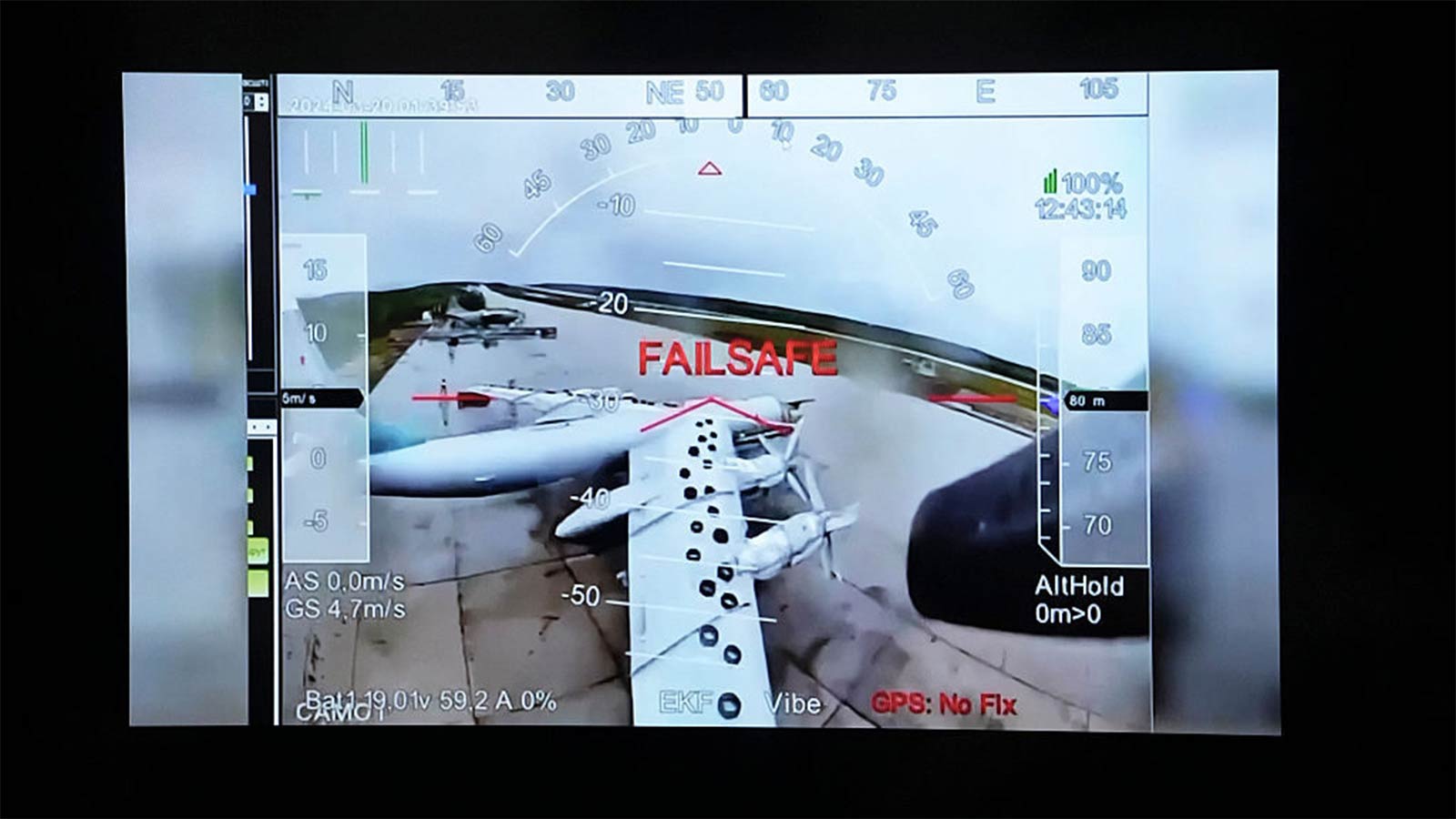
The ‘Spiderweb’ strategy employs a network of drones designed to strike Russian airfields deep within their territory. This tactic, described as one of Ukraine’s most ambitious operations, involves simultaneous and coordinated drone attacks that create a web of destruction. According to Nytimes, these operations have been carried out with remarkable precision, challenging Russia’s air defense systems and prompting a strategic recalibration.
In early June 2025, Ukrainian forces executed one such drone assault, targeting key Russian airbases. This was the third major attack of its kind, highlighting the growing sophistication of Ukraine’s drone warfare capabilities. The psychological and logistical impact of these strikes cannot be overstated, as they not only disrupt Russian operations but also signal Ukraine’s resilience and ingenuity on the battlefield.
Russia’s response: Relocation and fortification
In the wake of these attacks, Russia has been forced to adapt its strategies. Aircraft have been relocated to safer zones, and defensive measures around key installations have been intensified. As noted by Bigserge, the rapid escalation of drone warfare has exposed vulnerabilities in Russia’s military infrastructure, compelling them to reassess their operational security.
This shift comes amidst a broader trend of technological adaptation in the war. Both sides have increasingly relied on drones and other advanced systems to gain an edge. However, Ukraine’s ability to project power deep into Russian territory represents a unique and unsettling challenge for Moscow, which has largely focused its efforts on offensive operations in Ukrainian regions.
The broader implications for modern warfare
The ‘Spiderweb’ strategy is emblematic of a larger evolution in military tactics. As Nytimes highlights, the use of drones has transformed the dynamics of the conflict, enabling smaller, more agile forces to challenge traditional military powerhouses. This shift has significant implications for the future of warfare, where technology and innovation may outweigh sheer numbers and firepower.
For Ukraine, these operations serve a dual purpose. They not only disrupt Russian military activities but also serve as a powerful propaganda tool, demonstrating to both domestic and international audiences that Ukraine remains capable of taking the fight to its adversary. For Russia, the attacks are a stark reminder of the challenges posed by asymmetrical warfare and the need for constant adaptation in an increasingly unpredictable conflict.
As the war grinds on, the ‘Spiderweb’ drone strategy underscores the transformative power of innovation in the face of adversity. It is a testament to Ukraine’s resilience and a harbinger of the changing nature of modern warfare.