


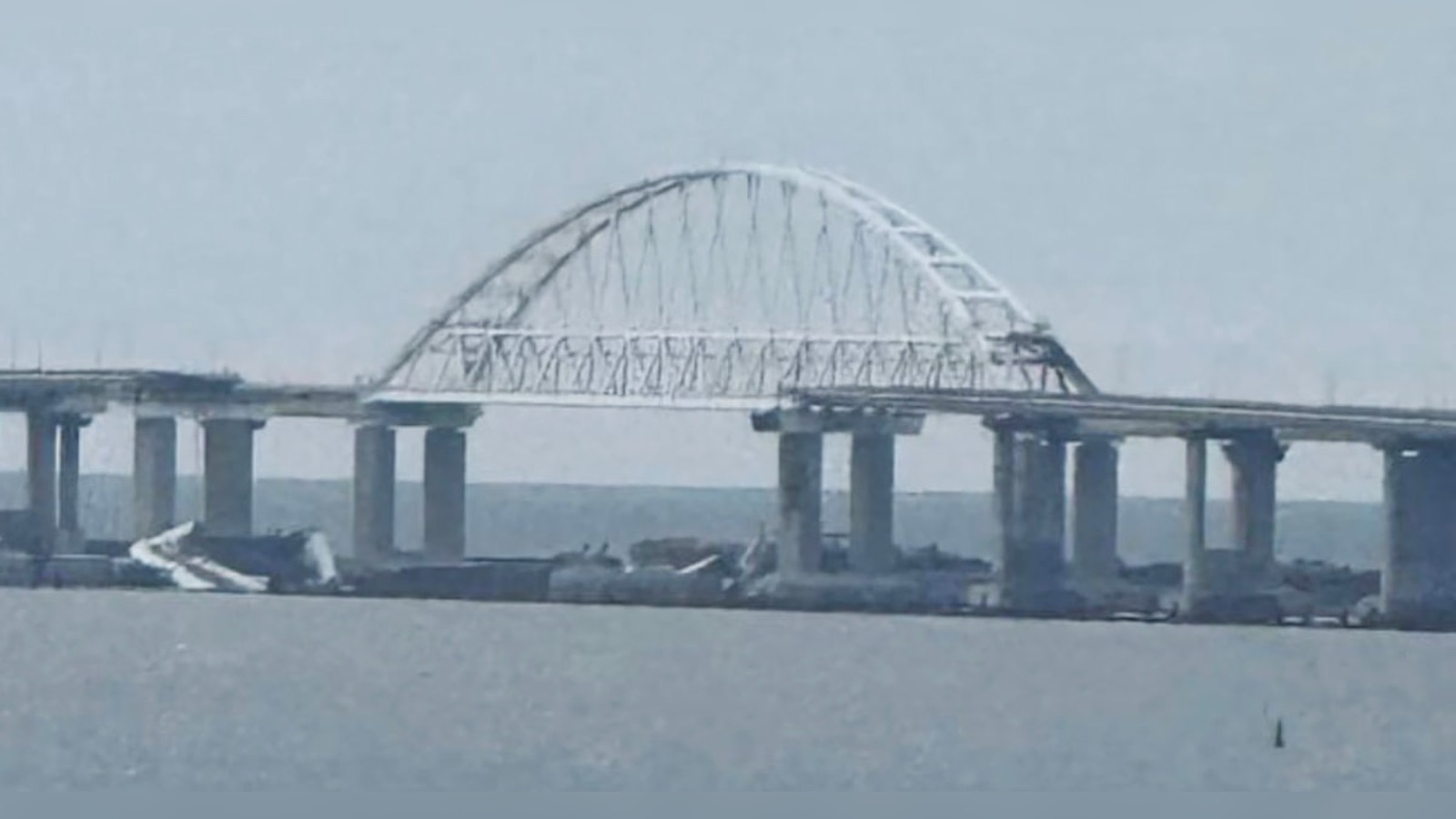
Tactical Disruption of a Strategic Lifeline
On November 17, 2026, Ukrainian forces executed a sophisticated, multi-day strike campaign against the Kerch Bridge, effectively collapsing a major section of the roadway and inflicting critical damage on the adjacent rail infrastructure. This operation, detailed in a European intelligence assessment dated November 18 and reported by Fox News, marks a significant inflection point in the ongoing conflict. By targeting the 12-mile crossing—a project personally championed by Russian President Vladimir Putin—Ukraine has introduced a severe bottleneck into Moscow’s military logistics just as both sides transition into winter operations.
The assessment indicates that the bridge strike was not an isolated event but the culmination of a multi-week operation designed to suppress Russian air defenses, radar, and electronic warfare capabilities in the region. Following the initial November 17 strike, subsequent hits on the railway on November 19 further exacerbated the disruption, leading to a temporary halt in train traffic. This sequence of attacks represents a calculated effort to isolate the peninsula from the Russian mainland, forcing Moscow to rely on alternative, more vulnerable land corridors through occupied southern Ukraine.
Strategic Consequences and Logistical Paralysis
The degradation of the Kerch Bridge forces the Russian military to confront a difficult tactical choice: continue relying on a crippled, high-capacity artery or shift critical supplies to land routes that are slower and more exposed to Ukrainian interdiction. Ret. Gen. Philip Breedlove, former NATO Supreme Allied Commander Europe, noted in an interview with Fox News that the bridge’s destruction extends far beyond its symbolic value as a monument to Russia’s 2014 annexation. “The Russians are extremely limited in how they get supplies to Crimea and cutting the Kerch bridge will severely, severely damage their ability to resupply Crimea,” Breedlove stated.
The European assessment warns that while limited road traffic might be restored in the coming weeks, the structural integrity of the rail and roadway will likely take months to repair, particularly if Ukraine maintains its pressure on the site. Furthermore, damage to sections above the Kerch–Yenikale Canal presents a secondary risk: the potential disruption of maritime shipping between the Black Sea and the Sea of Azov, further complicating Russia’s regional logistics.
The Broader Battlefield Context
While the tactical success of the bridge strikes is clear, the broader strategic outlook remains a subject of intense debate among Western and European analysts. A European intelligence source familiar with Russian strategic planning cautioned that while the immediate impact is a state of logistical paralysis, Moscow is simultaneously preparing for an intensified winter offensive. This source suggested that Russia is leveraging diplomatic channels with Washington to exert political pressure on Kyiv, operating under the assumption that a sustained war of attrition will eventually force Ukraine into territorial concessions by the spring.
In contrast, Gen. Breedlove argued that the momentum remains on the side of the Ukrainian defense, citing high Russian casualty rates and the inability of Moscow’s forces to translate their logistical efforts into decisive territorial gains. Breedlove emphasized that Ukraine’s success in challenging Russian naval dominance in the northern Black Sea—utilizing maritime and aerial drones to neutralize superior conventional assets—is a critical component of this broader effort to weaken Russia’s grip on the peninsula.
Logistical Choices and Future Escalation
The logistical paralysis now confronting the Kremlin forces a stark strategic binary: accept a significantly diminished supply capacity or funnel resources through exposed land corridors that currently serve as the only viable alternative. Intelligence reports suggest that while the bridge remains a priority for repair, the vulnerability of the site to continued drone and missile interdiction will likely prevent a return to full operational capacity for the foreseeable future. This creates a sustained bottleneck that directly impacts the combat readiness of Russian units stationed in southern Ukraine and the Crimean peninsula.
As winter sets in, the inability to rely on the rail link for heavy equipment and fuel supplies forces Moscow to reconsider its operational tempo. The European intelligence assessment highlights that Russia’s reliance on the land corridor through occupied territories exposes its supply chains to constant harassment from Ukrainian artillery and long-range precision strikes. This shift not only slows down the movement of reinforcements but also increases the logistical ‘tail’ of the Russian military, making it more susceptible to disruption in harsh weather conditions.
Diplomatic Pressure and Military Reality
The tension between battlefield reality and diplomatic maneuvering continues to define this phase of the war. While Moscow seeks to utilize the upcoming trilateral summits to project an image of stability and control, the physical reality on the ground—the crumbling sections of the Kerch Bridge—tells a different story. The destruction of this crossing serves as a potent reminder that Russia’s logistical infrastructure is not immune to modern, asymmetric warfare. By successfully targeting the bridge, Ukraine has not only disrupted the flow of munitions and personnel but has also challenged the perception of Russian territorial security.
Looking ahead, the next several months will be critical. If Ukraine can maintain its pressure on the Kerch crossing while simultaneously preventing the consolidation of Russian logistics on land routes, the strategic burden on Moscow will grow exponentially. The success of this campaign will be measured not just by the physical damage to the bridge, but by the extent to which it forces Russia to divert resources from offensive operations to mere sustainment. As winter deepens, the resilience of these supply chains will be the ultimate test for both sides, determining whether the conflict moves toward a military stalemate or if the logistical strain forces a shift in the strategic landscape of the Crimea theater.