


Averting a Trade Crisis
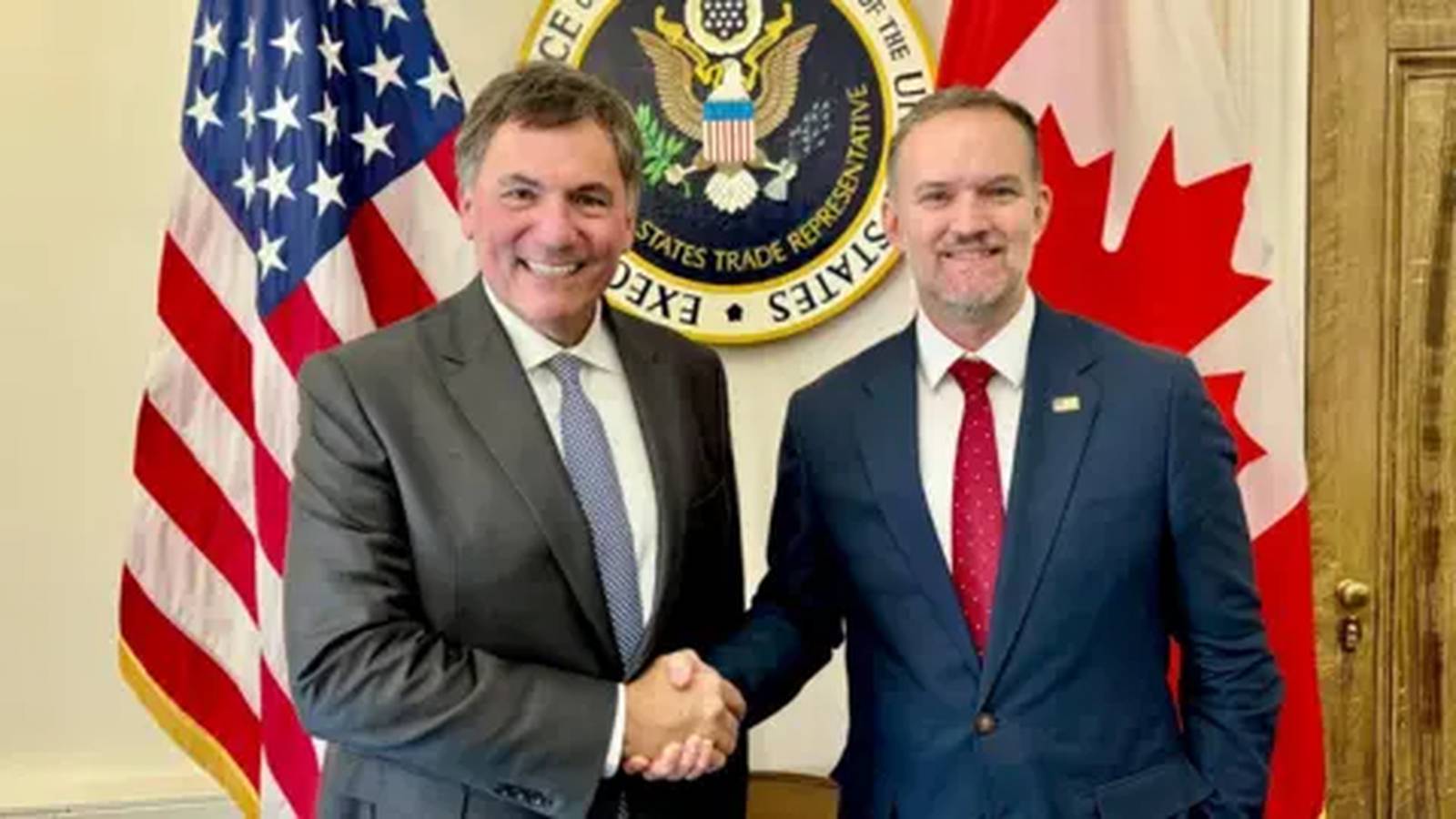
The United States and Canada are in the final stages of negotiating a trade agreement aimed at averting a 50% tariff on approximately $20 billion worth of Canadian imports. President Donald Trump has officially paused the implementation of these tariffs until 12:01 a.m. Saturday, providing a narrow window for both nations to finalize the legal documentation required to cement the deal.
The negotiations, which have intensified in recent days, address a wide range of trade friction, including U.S. grievances over Canadian dairy supply management, auto trade terms, and the ongoing boycott of U.S. alcohol products in several Canadian provinces. While the full scope of the agreement remains unconfirmed, both sides have signaled a desire to stabilize the bilateral economic relationship, which has been severely strained by tit-for-tat retaliatory measures over the past year.
This report draws on information published by BBC.
Key Areas of Negotiation
Central to the talks is the issue of U.S. alcohol exports. Prime Minister Mark Carney has reportedly requested that provincial leaders return American spirits to government-run store shelves, a move intended to de-escalate tensions. However, provincial leaders, including Nova Scotia Premier Tim Houston, have noted that while they support the deal’s direction, consumer demand and the political reality of these boycotts remain significant hurdles.
On the agricultural front, President Trump has claimed that the agreement will result in the total elimination of Canadian tariffs on U.S. farm goods. Conversely, Canadian officials, including Trade Minister Dominic LeBlanc, have maintained a firm line, asserting that Canada’s “supply management” system for dairy, eggs, and poultry will remain fully protected. This contradiction highlights the delicate balancing act facing Prime Minister Carney, who must satisfy U.S. demands for market access while navigating domestic political pressure to protect Canadian industries.
Looking Toward USMCA
The resolution of this immediate tariff dispute is widely viewed as a prerequisite for broader negotiations regarding the US-Mexico-Canada Agreement (USMCA). Experts, such as Wendy Cutler of the Asia Society Policy Institute, suggest that de-escalating the current trade conflict is essential to creating a stable environment for formal USMCA discussions. Furthermore, President Trump has alluded to the potential revival of the Keystone XL pipeline project, though it remains unclear whether this is formally linked to the current trade agreement or represents a separate, ongoing diplomatic objective.
As the Saturday deadline approaches, the focus remains on the finalization of the text. With 72% of Canadian goods exports directed toward the U.S. market, the economic stakes for Canada are substantial. Simultaneously, the U.S. administration faces pressure to avoid inflationary costs that could be passed on to American consumers ahead of the upcoming midterm elections.