


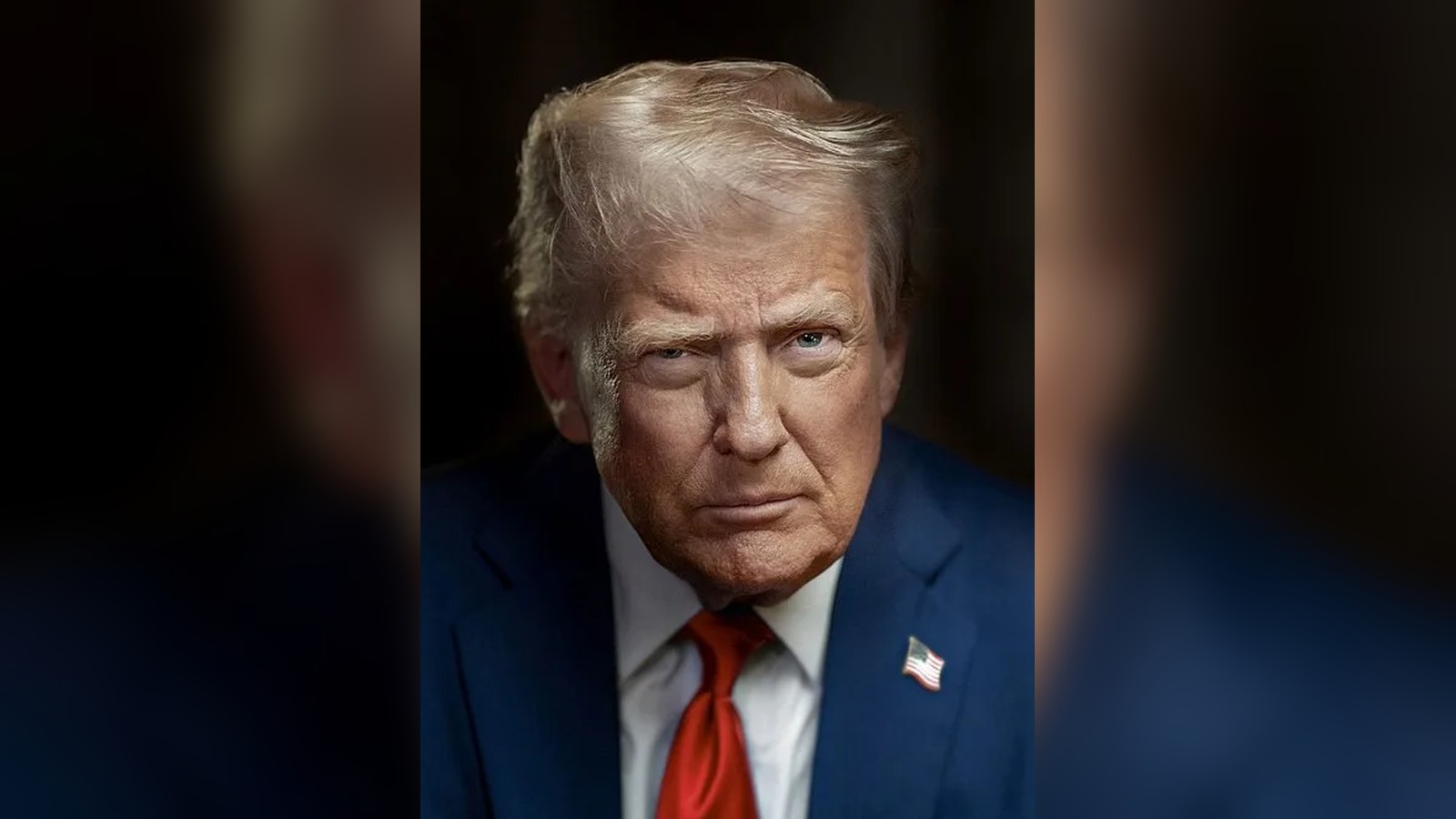
U.S. support for Israel faces intensifying pressure across party lines following recent electoral shifts, reflecting deeper political debates over military assistance and regional strategy as reported in an analysis published by IJR. The ongoing conflicts in Gaza and the joint U.S.-Israeli engagements involving Iran have driven lawmakers from both major American political parties to reassess long-standing unconditional aid frameworks.
President Donald Trump has raised the possibility of ending billions of dollars in annual military aid, marking a notable shift in conservative discourse regarding foreign assistance packages. Simultaneously, criticism of Israeli military actions and government policies has grown more vocal among Democrats and a segment of Republicans, who argue that current strategies conflict directly with broader U.S. strategic interests in the Middle East.
Voter Sentiments and Diaspora Concerns
Public opinion polling cited by J Street indicates that a significant portion of Jewish American voters believe Israel’s military actions in Gaza and the West Bank, alongside heavy political spending by organizations like AIPAC against candidates critical of Israeli policies, contribute directly to rising antisemitism. However, polling analysts note that the survey’s specific framing leaves open whether respondents primarily associate these developments with traditional anti-Jewish prejudice or broader hostility toward Israeli government actions.
Addressing the broader cultural and political fallout, Israeli President Isaac Herzog issued a public warning regarding how internal Israeli political rhetoric impacts Jewish communities in the diaspora. Herzog urged political actors to adopt a less hostile and far more inclusive tone as the nation navigates the delicate process of forming a new government coalition.
Institutional Stakes and Legislative Outlook
The convergence of fiscal scrutiny from conservative leadership and human rights concerns from progressive and moderate lawmakers sets the stage for contentious legislative battles over foreign appropriations. As Capitol Hill prepares to debate future defense budgets, the debate over leverage and oversight regarding Middle Eastern allies remains a central point of legislative contention.
Observers will closely monitor upcoming congressional hearings and executive branch budget proposals to determine whether rhetoric translates into concrete legislative restrictions on military financing. The ability of the incoming administration to balance traditional alliances with domestic political pressures will shape U.S. foreign policy priorities in the region for the foreseeable future.