


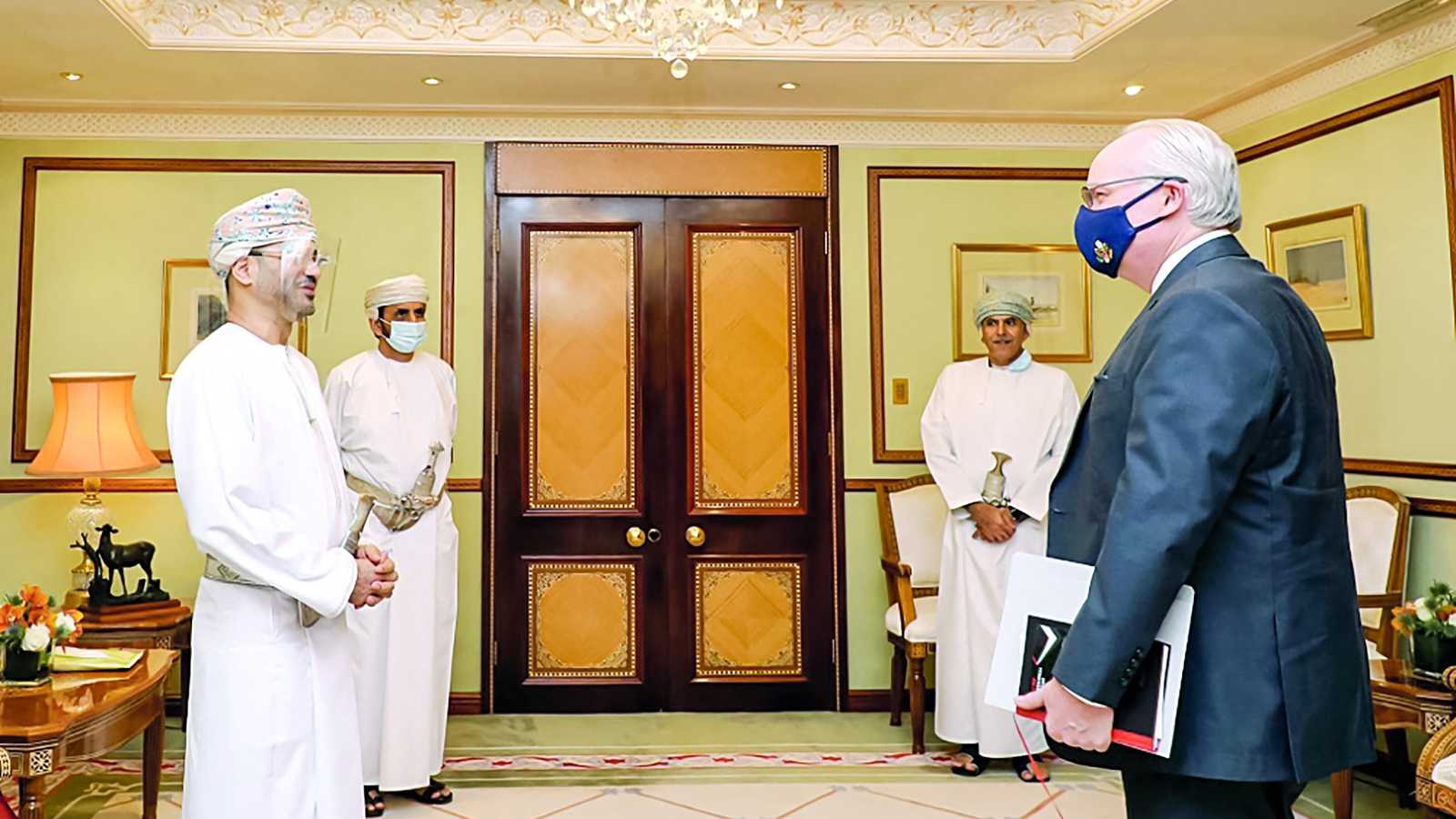
United States embassy officials held unpublicized, direct talks with representatives of Yemen’s Houthi movement in Oman over the weekend, marking a significant diplomatic shift just days after the militia seized control of Yemen’s entire Red Sea coastline. The secret meeting, held at the U.S. Embassy in Muscat, was facilitated by the Omani government, a traditional regional mediator, according to report details published by The Straits Times.
The meeting took place on Sunday, September 14, 2026, against the backdrop of a major escalation in the decade-long Yemeni conflict. The Houthis recently executed a sweeping military offensive, routing Saudi-backed forces and establishing effective control over crucial maritime chokepoints, including the historic port of Mocha and Perim Island in the Bab el-Mandeb strait. This rapid advance has fundamentally altered the security landscape of the Red Sea, threatening international shipping lanes and prompting immediate diplomatic maneuvers.
Direct Contacts and Ceasefire Commitments
During the Muscat talks, Houthi representatives—including senior official Mohammad Abdulsalam, who remains under U.S. sanctions, and Abdelmalik al-Ajiri—met with U.S. embassy personnel. According to diplomatic sources, the Houthi delegation offered explicit assurances to the American side, stating they had no intention of targeting U.S. vessels. They also affirmed their commitment to a bilateral ceasefire negotiated in May 2025. Crucially, Houthi negotiators asserted they would refrain from attacking Israeli vessels or any other commercial shipping, drawing a specific exception only for vessels belonging to Saudi Arabia.
This backchannel engagement highlights the complex pragmatism defining Washington’s approach to the conflict. The Trump administration formally designated the Houthis as a “foreign terrorist organization” in March 2025. However, the designation has not prevented direct negotiations. Following an intensive two-month U.S. bombing campaign aimed at halting attacks on Red Sea shipping, the two sides reached a ceasefire agreement in May 2025.
That fragile peace was disrupted in July 2026 when the Houthis declared a blockade on Saudi shipping. The move was framed by the militia as a direct response to a Saudi-imposed blockade on Yemeni ports, reigniting active hostilities. The subsequent Houthi offensive culminated last week in the complete capture of the Red Sea coastline, prompting urgent appeals from Riyadh.
Regional Geopolitics and the Saudi Dilemma
Saudi Arabia’s de facto ruler, Crown Prince Mohammed bin Salman, reportedly placed a direct phone call to President Donald Trump, requesting immediate U.S. military intervention to counter the Houthi advance. However, Washington signaled its reluctance to become re-entangled in the conflict, informing Riyadh that the United States would not get directly involved on the ground or in direct combat support.
The reluctance of the U.S. to commit militarily coincides with public statements from top American officials indicating active communication. On Saturday, President Trump disclosed that Houthi officials had contacted his administration, requesting that the U.S. remain neutral and stay out of the Yemeni war. On Monday, Vice President JD Vance confirmed that direct contact had been established with the group, though he declined to provide operational details.
Official Silence and Strategic Red Lines
When asked about the secret meetings in Muscat, a State Department spokesperson declined to confirm the talks directly. Instead, the spokesperson emphasized that safeguarding the freedom of navigation in the Red Sea and preventing the export of terrorism from the Middle East remain core, non-negotiable U.S. national security interests. Neither the Omani Embassy in Washington nor Houthi representative Mohammad Abdulsalam responded to requests for official comment.
The resumption of direct talks underscores Oman’s enduring role as a diplomatic bridge in the region. By hosting these sensitive discussions, Muscat continues to provide a neutral space where adversaries can negotiate terms to prevent a broader regional conflagration. As the Houthis consolidate their grip on the Bab el-Mandeb strait, the international community remains highly focused on whether the assurances delivered in Muscat will translate into maritime stability, or if the exclusion of Saudi shipping will trigger further economic disruption in the global energy corridors.